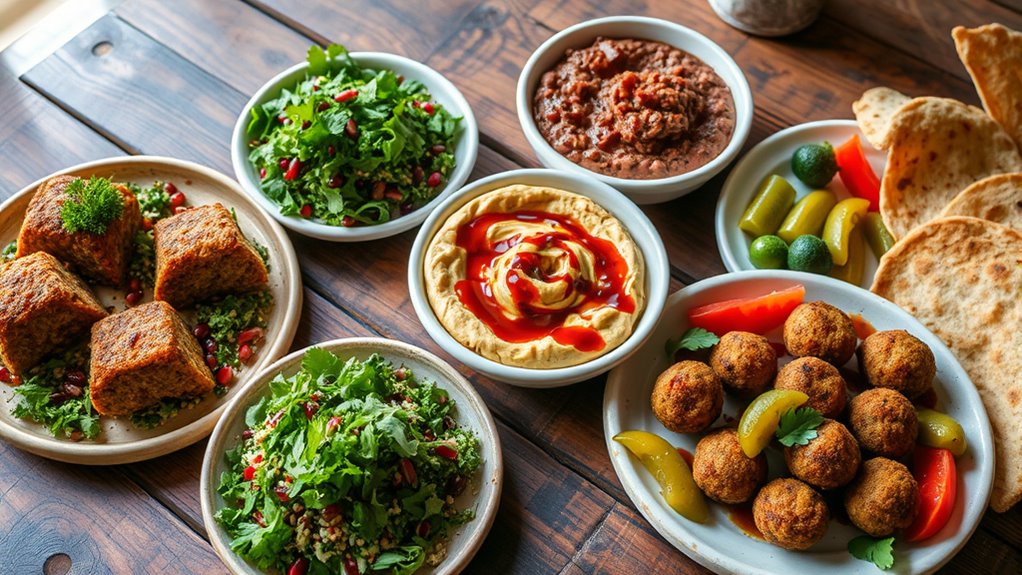

Lebanese cuisine offers much more than just hummus; it’s a vibrant blend of Mediterranean flavors emphasizing freshness, quality ingredients, and traditional methods. You’ll find grilled kebabs marinated with herbs and citrus, slow-cooked stews infused with spices like cinnamon, and salads bursting with herbs like parsley and mint. Rooted in community and hospitality, these dishes celebrate seasonal produce and timeless techniques. Discover the rich flavors and cultural stories behind each bite as you explore further.
Key Takeaways
- Lebanese cuisine features Mediterranean flavors emphasizing fresh ingredients, herbs, and traditional cooking techniques like grilling and slow simmering.
- Signature dishes include marinated kebabs, aromatic stews like moussaka, and flavorful vegetable dishes.
- Fresh herbs such as parsley, mint, and cilantro play a vital role in brightening and enhancing dishes.
- Meals are rooted in communal sharing, reflecting Lebanese hospitality, family values, and social bonding.
- Seasonal, local ingredients and traditional methods ensure authentic, vibrant flavors across diverse dishes.
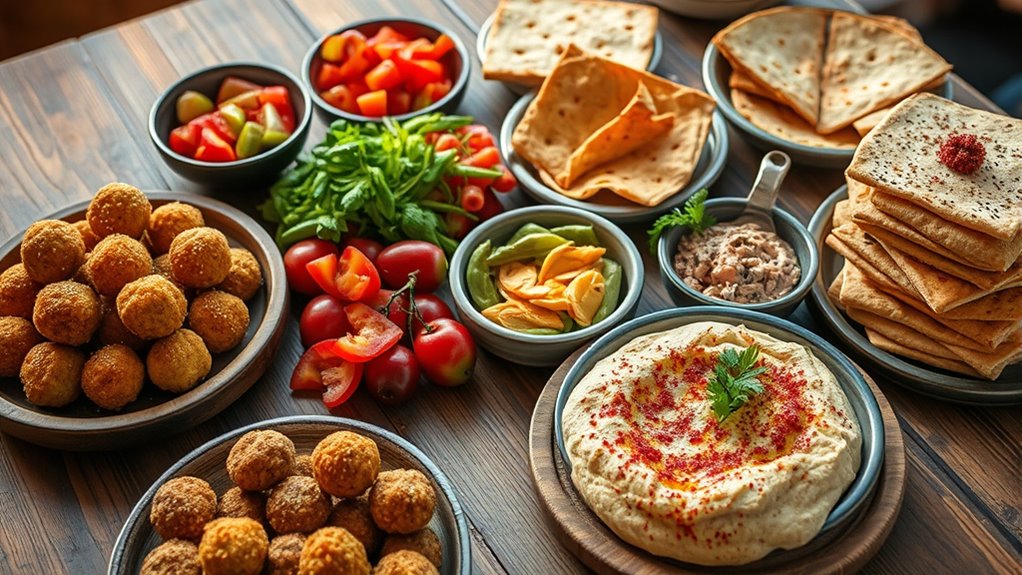
Have you ever wondered what makes Lebanese cuisine so unique and flavorful? It’s a vibrant tapestry woven with Mediterranean flavors that burst with freshness and rich aroma. Unlike many other culinary traditions, Lebanese food is rooted in a deep respect for simple, high-quality ingredients and age-old techniques passed down through generations. These traditional cooking techniques emphasize grilling, slow simmering, and marinating, which preserve the integrity of each ingredient and enhance natural flavors. By combining these methods with the region’s bountiful produce, herbs, and spices, Lebanese cuisine offers a sensory experience that’s both hearty and refined.
Lebanese cuisine celebrates fresh ingredients and timeless techniques, creating bold, flavorful, and authentic Mediterranean dishes.
When you explore Lebanese dishes beyond the well-known hummus, you’ll discover a culinary landscape that balances bold flavors with subtle nuances. For instance, imagine tender grilled kebabs marinated in garlic, lemon, and fragrant herbs, offering a smoky aroma that’s impossible to resist. Or consider the rich, slow-cooked stews like moussaka, which meld tender vegetables and meats infused with cinnamon, all prepared with traditional techniques that maximize depth of flavor. These methods not only preserve authenticity but also highlight Lebanon’s mastery of blending textures and tastes.
Lebanese cuisine is also distinguished by its use of fresh herbs like parsley, mint, and cilantro, which are incorporated generously into salads, dips, and main courses. These herbs brighten dishes and add a layer of freshness that’s essential to the cuisine’s identity. The use of olive oil, a staple in the region, further accentuates the Mediterranean flavors, giving dishes a silky texture and a subtle fruitiness that complements spices and lemon juice. This combination of ingredients and techniques creates a harmony that’s both satisfying and uplifting.
Beyond the ingredients, the cultural aspect of Lebanese cooking plays a *vital* role. Many recipes are rooted in communal traditions, served family-style to encourage sharing and social bonding. This sense of community is reflected in the way meals are prepared and enjoyed, emphasizing hospitality and generosity. When you taste Lebanese food, you’re not just experiencing individual dishes; you’re immersing yourself in a culinary tradition that values connection, history, and respect for nature’s bounty. Additionally, the emphasis on seasonal menus highlights Lebanon’s commitment to using fresh, local ingredients that change throughout the year, ensuring every dish remains vibrant and authentic.
In essence, Lebanese cuisine’s appeal lies in its ability to blend Mediterranean flavors with traditional cooking techniques, resulting in dishes that are both timeless and lively. It invites you to savor every bite and appreciate the craftsmanship behind each recipe—an art form that continues to thrive through generations.

+ HOM 8 Kebab 1" Wide Flat Skewers, Stainless Steel, No-Wood Handle, Koobideh Persian Kabob, Carrying Case
NO MORE WOOD HANDLE: Do not worry about burnt and over-the-time-loosened handles. They are Easy to Wash and…
As an affiliate, we earn on qualifying purchases.
As an affiliate, we earn on qualifying purchases.
Frequently Asked Questions
What Are the Traditional Beverages Served With Lebanese Meals?
You’ll often enjoy traditional drinks like Ayran, a revitalizing yogurt-based beverage, or Tamarind juice to complement your Lebanese meal. Cultural beverages such as Arak, an anise-flavored spirit, are also popular, especially during celebrations. These drinks enhance the flavors of your dishes and reflect Lebanon’s rich culinary heritage. Sipping on these traditional drinks makes your dining experience authentic and memorable, connecting you to Lebanese culture.
How Do Regional Differences Influence Lebanese Cuisine?
You’ll notice regional flavor shaping Lebanese cuisine, creating a vibrant tapestry of culinary diversity. In coastal areas, fresh seafood and citrus dominate, while mountain regions favor hearty, slow-cooked dishes with grains and vegetables. In the Bekaa Valley, wine and agricultural products influence meals. These regional differences guarantee each area offers unique flavors, making Lebanese cuisine rich and diverse, inviting you to explore its many local culinary traditions.
Are There Specific Dietary Customs or Restrictions in Lebanon?
In Lebanon, you’ll notice that religious dietary laws play a big role in food choices, especially during religious holidays and fasting periods. Many Lebanese follow vegetarian practices, often opting for dishes with fresh vegetables, grains, and legumes. During Ramadan, you’ll see special meals prepared to break fast, adhering to these customs. Respecting these dietary restrictions helps you connect with local traditions and enjoy authentic Lebanese cuisine.
What Are Lesser-Known Lebanese Desserts to Try?
Imagine discovering a hidden treasure chest of Lebanese pastry variations. You’ll want to try Knafeh, a gooey, cheesy dessert topped with crispy semolina layers, and Ma’amoul, delicate cookies filled with dates or nuts. These lesser-known Lebanese desserts use traditional sweet ingredients like honey, rose water, and pistachios, offering a sweet symphony that transports your taste buds beyond the familiar, revealing the rich, layered flavors of Lebanon’s culinary heritage.
How Has Lebanese Cuisine Evolved With Modern Influences?
Lebanese cuisine has evolved through fusion techniques and ingredient substitutions, blending traditional flavors with modern trends. You’ll notice chefs incorporate global ingredients and innovative cooking methods, creating exciting new dishes that respect heritage while embracing contemporary tastes. This evolution allows you to enjoy familiar Lebanese elements with a fresh twist, making the cuisine more diverse and accessible. So, as you explore, expect a delightful mix of tradition and innovation in every bite.

Eastanbul Mediterranean Seasoning, 5.29oz, Mediterranean Spice Blend, Herb & Salt Blend, Spiced Sea Salt and Herb Seasoning For Food, No Filler, No MSG, Vegan, Gluten Free
MEDITERRANEAN SEA SALT & HERB SEASONING BLEND: The medley of the Mediterranean's finest, sea salt enriched with garlic,…
As an affiliate, we earn on qualifying purchases.
As an affiliate, we earn on qualifying purchases.
Conclusion
Lebanese cuisine offers more than just hummus; it’s a rich tapestry of flavors and traditions. Did you know that Lebanon has over 4,000 years of culinary history, blending influences from Phoenician, Arab, and Ottoman cultures? Exploring beyond hummus reveals a world of delicious surprises that reflect this vibrant heritage. So, next time you dine Lebanese, remember you’re tasting a centuries-old story told through every bite—truly a feast for the senses.

Iyulania 3 Sizes of Clear Glass Bowls, 2.5, 3.5 & 8.5 oz, Small Prep Bowls for Salt, Herbs, Spices and Dry Ingredients, Set of 12
Prep Smarter: These bowls are great for prepping ingredients, making cooking more efficient and saving time
As an affiliate, we earn on qualifying purchases.
As an affiliate, we earn on qualifying purchases.
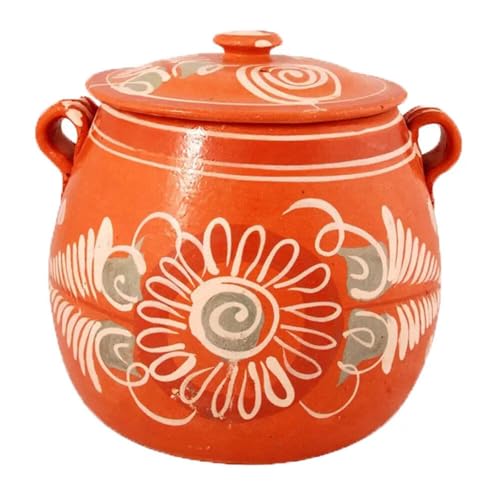
6-Quart Handcrafted Clay Cooking Pot with Lid – Traditional Mexican Design, Ideal for Soups, Stews, and Beans
Handcrafted Authenticity – Each pot is meticulously handmade by skilled artisans, reflecting the rich cultural heritage of traditional…
As an affiliate, we earn on qualifying purchases.
As an affiliate, we earn on qualifying purchases.