Understanding yeast and dough rising means knowing how yeast ferments sugars, producing carbon dioxide that makes your dough expand. This process also develops gluten, giving your bread structure and elasticity. Factors like temperature, yeast amount, and dough ingredients influence fermentation speed and flavor. Longer fermentation enhances taste, aroma, and texture, while rushing it can result in dense bread. To master perfect bread, exploring these concepts further will help you create consistently light and flavorful loaves.
Key Takeaways
- Yeast ferments sugars in dough, producing carbon dioxide that causes the dough to rise.
- Fermentation enhances gluten elasticity, enabling dough to trap gas and expand uniformly.
- Temperature, yeast quantity, and dough composition influence fermentation speed and dough rise.
- Active fermentation signs include bubbling, dough expansion, and aroma development.
- Longer fermentation improves flavor, texture, and loaf lightness by allowing more complex biochemical processes.

Understanding how yeast causes dough to rise is key to mastering bread baking. When you mix yeast with flour and water, a fascinating fermentation process begins. During fermentation, yeast consumes the sugars present in the dough and produces carbon dioxide and alcohol as byproducts. The carbon dioxide gas gets trapped within the dough’s structure, creating tiny bubbles that cause the dough to expand and rise. This process isn’t just about increasing volume; it also influences the dough’s texture and flavor, making your bread light and flavorful.
Crucially, fermentation also enhances gluten development. Gluten, which forms when glutenin and gliadin proteins in the flour bond with water, is what gives bread its elasticity and strength. As fermentation progresses, the gluten strands become more extensible and resilient, allowing the dough to stretch without tearing. This gluten development is essential because it traps the carbon dioxide gas produced by the yeast, helping the dough to rise evenly and maintain its structure. If gluten isn’t properly developed, your bread can turn out dense and flat, so understanding this relationship is *crucial* for successful baking.
The fermentation process doesn’t happen instantly. It’s influenced by factors like temperature, yeast quantity, and dough composition. Warmer temperatures accelerate fermentation, producing more carbon dioxide and leading to a faster rise. Conversely, cooler environments slow down the process, giving you more time for flavor development and gluten strengthening. Active yeast produces visible signs of fermentation, such as bubbling and a slight increase in dough volume. You can also notice a pleasant, yeasty aroma developing as the process continues.
Warmer temperatures quicken fermentation, while cooler ones slow it down, affecting dough rise and flavor development.
In addition to helping the dough rise, fermentation also improves the bread’s flavor profile. As yeast metabolizes sugars, it produces alcohols and organic acids, which contribute to a richer, more complex taste. The longer you allow fermentation to occur—through proper proofing—the better these flavors develop. This is why patience is *essential* in bread making: rushing the process can result in underdeveloped gluten structure and less flavorful bread. Proper fermentation not only affects flavor but also impacts the texture and rise of your final loaf.
Understanding the fermentation process and how it promotes gluten development gives you control over your bread’s final texture and taste. It’s a delicate balance between time, temperature, and ingredients, but once you grasp these principles, you’ll be able to troubleshoot issues and craft consistently excellent bread. Mastering this aspect of baking transforms yeast from a simple leavening agent into a powerful tool for creating delicious, airy loaves that showcase the science behind the art.

Kook Banneton Bread Proofing Baskets, Artisan Sourdough Bread Making Baskets, 9 Inch Handwoven Rattan Baskets and Cloth Liners, Set of 2, Round
Homemade Bread: Proof your dough like a pro! These baskets and liners are perfect for rising perfectly shaped,…
As an affiliate, we earn on qualifying purchases.
As an affiliate, we earn on qualifying purchases.
Frequently Asked Questions
Can I Use Baking Powder Instead of Yeast for Rising?
You can use baking powder instead of yeast for rising, but keep in mind it’s a form of chemical leavening that works faster and doesn’t develop gluten like yeast does. Baking powder creates carbon dioxide quickly, so your dough rises rapidly. However, it may result in a different texture—more tender and less chewy. For best results, follow a recipe designed for baking powder, as it won’t develop gluten as yeast does.
How Does Altitude Affect Dough Rising Times?
Altitude effects can turn your dough into a speedy sprinter, making rising times shorter than usual. As you climb higher, the thinner air causes leavening gases to expand faster, leading to rising variations. You might need to adjust your recipe by reducing rising times or tweaking ingredients to prevent over-proofing. Keep an eye on your dough’s behavior at high altitudes—what works at sea level may need fine-tuning up top.
What Are Signs of Over-Proofed Dough?
You’ll notice over-proofed dough by its fermentation indicators, like a sour smell or overly bubbly surface. It may also feel very soft and sticky, and when you gently press it, it deflates easily, showing signs of dough deflation. These signs suggest it’s been proofed too long, losing its elasticity and structure. To fix this, punch it down and reshape, then let it rise again briefly.
Can Refrigeration Slow Down Yeast Activity?
Yes, refrigeration can slow down yeast activity by inducing cold fermentation. When you chill your dough, it enters a state of yeast dormancy, which delays fermentation and rising. This coincidence of cold temperatures and yeast slowing down allows you to control the timing of your dough’s rise, giving you more flexibility. So, if you want a slower, more flavorful fermentation, refrigerate your dough to keep yeast activity in check.
How Do Different Types of Yeast Impact Dough Texture?
Different yeast varieties impact dough texture through their fermentation process. Active dry yeast creates a chewy, airy crumb, while instant yeast results in a finer, more uniform crumb. Wild or sourdough yeast develops a complex flavor and chewy texture, thanks to slower fermentation. You’ll notice that each yeast type influences dough rise, elasticity, and crumb structure, helping you tailor your baked goods to your desired texture and flavor profile.

Saf Instant Yeast, 1 Pound Pouch
Safe Instant Yeast is one of the top selling yeasts in the world
As an affiliate, we earn on qualifying purchases.
As an affiliate, we earn on qualifying purchases.
Conclusion
Now that you know how yeast works its magic and causes dough to rise, you’re ready to bake like a true baker from the Renaissance! Remember, patience is key—treat your dough like a noble seeking its crown. With this knowledge, you’ll master the art of perfect bread, no matter if you’re using a Victorian oven or a modern kitchen. So go forth, experiment, and let your baked creations be as legendary as the tales of yore!

Brod & Taylor Proofing Container (2 Pack) With 6L Capacity, Fits Up to 3000 Grams of Dough – Dough Rising Box for Bread, Sourdough & Pizza (Dishwasher Safe, BPA-Free)
PROOF LIKE A PRO AT HOME – Mix, proof, and fold your dough in one container without messy…
As an affiliate, we earn on qualifying purchases.
As an affiliate, we earn on qualifying purchases.
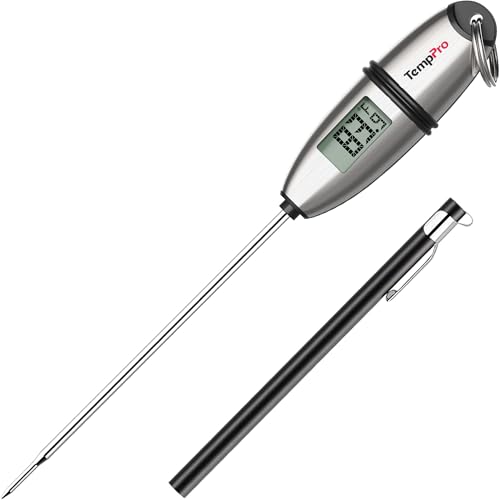
TempPro TP02S Digital Food Thermometer for Cooking Bread Baking Sourdough Liquids, Meat Thermometer Digital with Super Long Probe for Kitchen BBQ Yogurt Candy Making Accessory (Previously ThermoPro)
Fast and Accurate Reading: Kitchen thermometer for cooking features a 1 to 3 second readout speed and high…
As an affiliate, we earn on qualifying purchases.
As an affiliate, we earn on qualifying purchases.