Understanding gluten and how to use gluten-free flours shows you how to create quality baked goods without traditional wheat proteins. Gluten provides elasticity and structure by forming a protein network that traps gases. When baking gluten-free, you can add binders like xanthan or guar gum to mimic this elasticity, helping dough hold its shape and rise. Keep exploring, and you’ll discover more ways to master texture and structure in gluten-free baking.
Key Takeaways
- Gluten is a protein network that provides elasticity, strength, and gas retention in traditional wheat-based doughs.
- Gluten-free flours lack this network, requiring additives like xanthan gum to mimic elasticity and trap gases.
- Proper hydration, kneading, and resting are essential to develop dough structure in both gluten and gluten-free baking.
- Understanding gluten’s role helps optimize recipes for texture, rise, and crumb in various baked goods.
- Using appropriate binders and techniques transforms gluten-free ingredients into structured, elastic doughs.
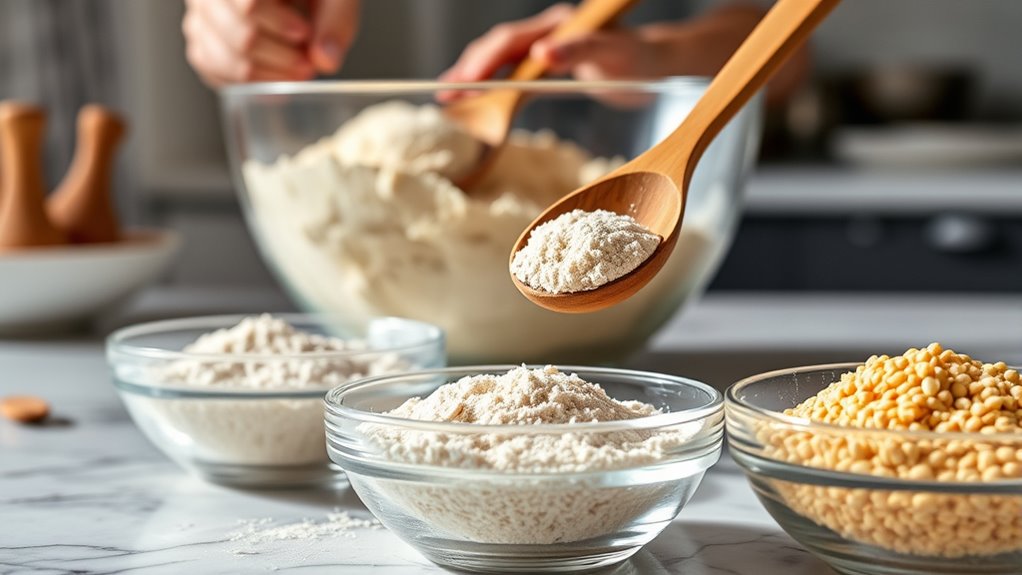
Have you ever wondered how everyday kitchen experiments can reveal fascinating science? When you knead dough, you’re not just preparing bread or pastries—you’re engaging with principles of baking chemistry that affect how your baked goods turn out. One key concept is dough elasticity, which plays a critical role in the texture and structure of baked products. Dough elasticity refers to how well the dough can stretch and bounce back without tearing, and it’s largely influenced by gluten development. Gluten is a network of proteins that forms when wheat flour interacts with water, giving dough its stretchiness and strength. As you knead, you encourage gluten strands to align and entangle, creating a resilient matrix that traps gases and allows bread to rise properly. This process is fundamental to understanding baking chemistry because it determines the final crumb and chewiness of your baked bread.
Kneading dough develops gluten, creating elasticity that influences bread’s texture and rise.
In traditional baking, gluten development is what gives bread its characteristic airy yet firm texture. When you knead, you’re actively manipulating dough elasticity, ensuring the gluten network forms evenly. This elasticity allows dough to hold in the carbon dioxide produced by yeast, which expands during proofing and baking. Without adequate gluten development, your bread might be dense or crumbly, revealing the importance of understanding dough elasticity. This knowledge helps you control the rise and texture of your baked goods, leading to better results each time.
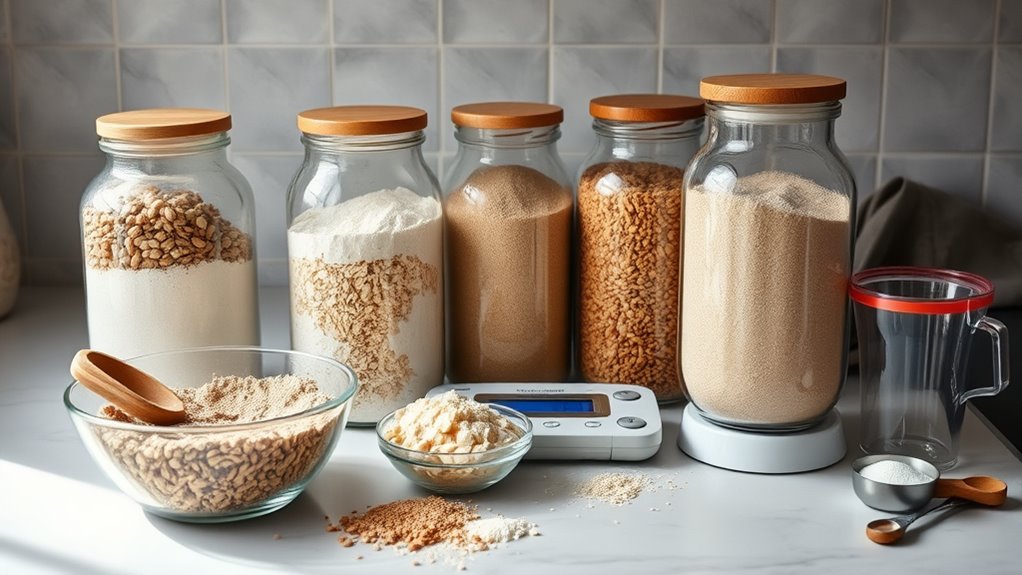
Now, if you’re exploring gluten-free baking, the science behind dough elasticity becomes even more intriguing. Gluten-free flours lack the protein network that wheat provides, so achieving similar dough properties requires different strategies. Many gluten-free recipes rely on alternative binders like xanthan gum or guar gum to mimic gluten’s elasticity. These additives help trap gases and give structure to your baked goods, but they behave differently than gluten. Understanding baking chemistry helps you choose the right ingredients and techniques—such as incorporating moisture or adjusting mixing times—to get a desirable dough consistency. Additionally, dough elasticity can be influenced by factors like hydration level and resting time, which are crucial considerations in gluten-free baking.
The science behind gluten and dough elasticity isn’t just academic; it directly impacts your baking success. Whether working with traditional wheat flour or gluten-free alternatives, grasping how ingredients interact and how dough develops can elevate your baking skills. By experimenting with different flours and techniques, you’ll learn how to manipulate dough elasticity to create everything from fluffy bread to tender cookies. Ultimately, these kitchen experiments reveal the fascinating science behind everyday baking, transforming simple ingredients into delicious, well-structured treats.
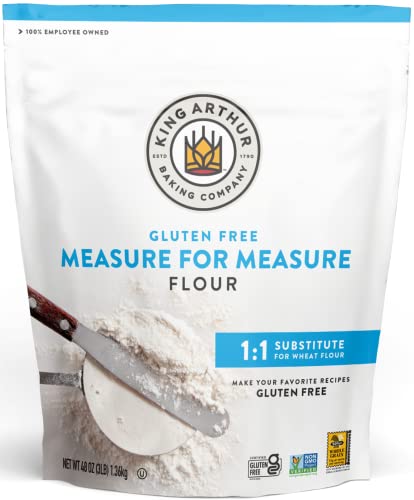
King Arthur Measure for Measure Gluten-Free Flour: All-Purpose 1:1 Substitute for Wheat Flour, Non-GMO, Kosher Certified, 3 lbs Bag for Baking Cookies, Cakes, Muffins
Versatile Baking: Perfect 1:1 substitute for wheat flour in non-yeasted recipes, ideal for gluten-free cookies, cakes, muffins, and…
As an affiliate, we earn on qualifying purchases.
As an affiliate, we earn on qualifying purchases.
Frequently Asked Questions
Can Gluten-Free Flours Be Used Interchangeably With Wheat Flour?
You can’t always substitute gluten-free flours directly for wheat flour because of substitution challenges. Gluten-free flours often have different textures and absorb liquids differently, which can affect your recipe’s outcome. Plus, they may introduce flavor differences that change the taste of your baked goods. To get the best results, follow specific recipes or adjust ingredient ratios, as direct swaps won’t always produce the same texture or flavor.
How Does Gluten Affect Bread Texture and Rise?
Gluten acts like a master architect in your bread, weaving a resilient gluten network that traps air bubbles, giving your loaf its lift and chewiness. Without it, the bread’s structure collapses, becoming dense or crumbly. When gluten forms, it creates a sturdy framework that allows the dough to rise high and hold its shape. Without this network, your bread misses that signature lightness and fluffy texture you crave.
Are There Nutritional Differences Between Gluten and Gluten-Free Flours?
You’ll find that gluten and gluten-free flours differ in nutritional content and health benefits. Gluten-containing flours like wheat provide more protein and fiber, supporting digestion and muscle health. Meanwhile, gluten-free options, such as rice or almond flour, may have fewer calories and be better for those with gluten sensitivities or celiac disease. Choosing the right flour depends on your nutritional needs and health goals, so read labels carefully.
What Are the Best Gluten-Free Flours for Baking Pastries?
Think of gluten-free flours like a painter’s palette, offering vibrant, diverse flavor profiles for pastries. Almond, rice, and tapioca flours shine with nutty, mild, and chewy textures. To keep them fresh, store them in airtight containers in a cool, dark place. For best baking results, experiment with blends to balance flavors and textures, ensuring your pastries are delicious and appealing every time.
How Do I Improve the Elasticity of Gluten-Free Dough?
To improve the elasticity of gluten-free dough, increase dough hydration by adding a bit more liquid, which helps make the dough softer and more pliable. You can also incorporate alternative binders like xanthan gum, guar gum, or psyllium husk, which mimic gluten’s structure and give your dough better stretch and cohesion. Experiment with these adjustments to achieve a more elastic, workable dough for your pastries.

It's Just – Xanthan Gum, 8oz, Batch Tested Gluten Free, Keto Baking, Non-GMO, Thickener for Sauces, Soups, Dressings, Packaged in USA
It's Just – Xanthan Gum, 8oz, Batch Tested Gluten Free, Keto Baking, Non-GMO, Thickener for Sauces, Soups, Dressings,…
As an affiliate, we earn on qualifying purchases.
As an affiliate, we earn on qualifying purchases.
Conclusion
Now that you understand gluten’s role, you can experiment confidently with gluten-free flours. Did you know that the global gluten-free market is expected to reach over $12 billion by 2025? So, whether you’re baking for health reasons or curiosity, mastering gluten-free techniques opens up a world of delicious possibilities. Keep exploring, and you’ll discover how to create tasty, satisfying dishes without gluten—proving that good food is all about knowledge and creativity.

Living Dough – Gluten Free Sourdough Starter Culture – Active & Live Organic Sourdough Starter Gluten Free for Baking – For Artisan Bread, Pizza Dough, Waffles & More
ARTISAN SOURDOUGH QUALITY: Experience the true art of sourdough baking with our live sourdough starter cultures. These organic…
As an affiliate, we earn on qualifying purchases.
As an affiliate, we earn on qualifying purchases.

SmartLab Toys TINY Baking with 20 Delicious Tiny Recipes. Big Science. Tiny Tools.
Real food. Real science. Real fun! Bake itty-bitty pies, cupcakes, pastries, and pizzas using teeny-tiny tools and pans;…
As an affiliate, we earn on qualifying purchases.
As an affiliate, we earn on qualifying purchases.