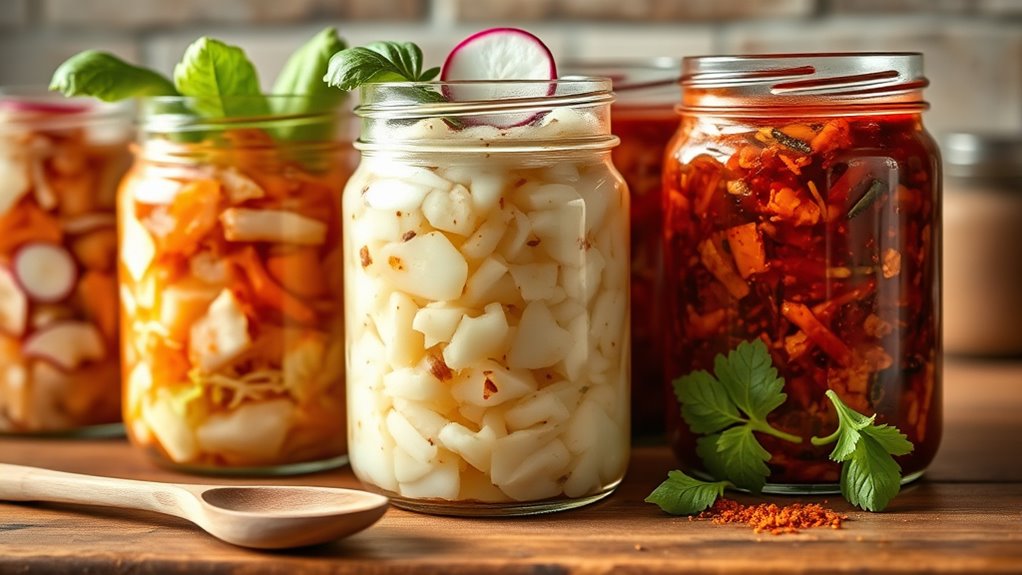

Fermented foods like sauerkraut and kimchi are experiencing a major health trend because they’re packed with probiotics that support digestion and gut health. Making them at home is simple—just chop, salt, and ferment in a jar at room temperature until bubbles and tang develop. Keeping the right environment is key for safety and nutrients. Want to learn tips for perfect fermentation and tasty flavors? Keep exploring to reveal all the secrets.
Key Takeaways
- Fermented foods like sauerkraut and kimchi are trending due to their health benefits and traditional preparation methods.
- Making these foods at home involves shredding vegetables, salting, and fermenting in controlled conditions.
- Proper fermentation requires maintaining optimal environment and monitoring signs like bubbling and aroma for safety.
- Regular consumption boosts gut health, enhances nutrient levels, and supports immune function.
- DIY fermentation is accessible with basic tools, offering customizable flavors and a rewarding culinary experience.
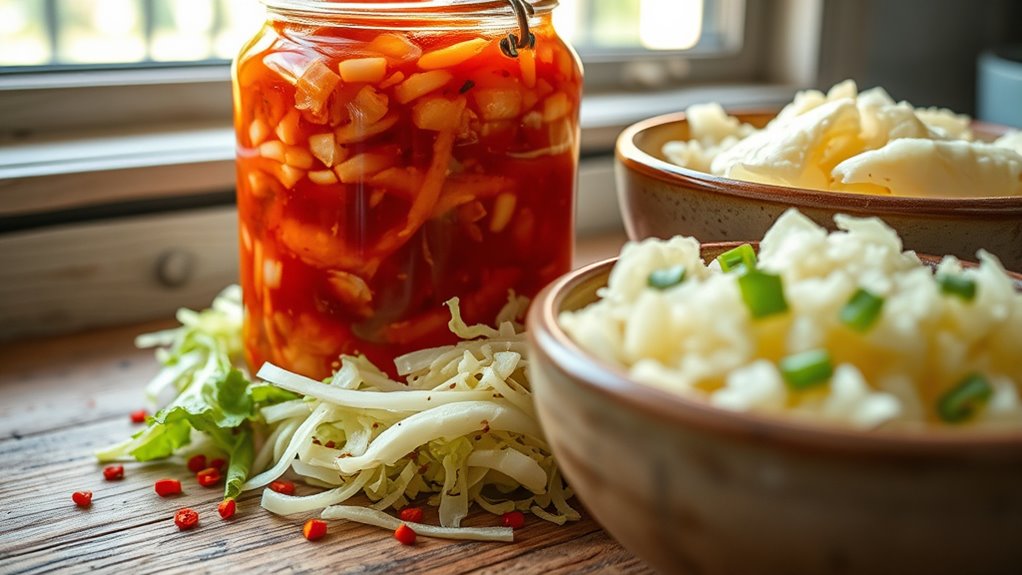
Have you noticed how fermented foods are suddenly everywhere? It’s as if everyone’s talking about the benefits of adding these tangy, healthy options to their diets. The rising popularity isn’t just a trend; it’s rooted in solid health benefits and age-old fermentation techniques that turn simple ingredients into probiotic powerhouses. When you start making your own sauerkraut or kimchi, you’re tapping into a tradition that’s been around for centuries, but with a modern twist. These foods aren’t just flavorful—they’re packed with probiotics, the good bacteria that support your gut health, digestion, and immune system. That’s why understanding fermentation techniques is key to creating these nutritious treats at home.
Fermentation is a natural process where microbes break down sugars, converting them into acids, gases, or alcohol. For fermented vegetables like sauerkraut and kimchi, you typically use salt and time to encourage the growth of beneficial bacteria. The process is surprisingly simple once you get the hang of it. You start by shredding cabbage or chopping vegetables, then mixing them with salt. The salt draws out moisture and creates an environment that favors good bacteria while inhibiting harmful ones. Next, you pack the mixture tightly into a jar, ensuring there are no air pockets, and leave it to ferment at room temperature for several days or weeks, depending on your taste preferences. During fermentation, you’ll notice bubbling and a tangy aroma—that’s a sign everything’s working as it should. Additionally, maintaining proper fermentation conditions is essential to ensure safety and optimal probiotic development.
The probiotic benefits of these foods are well-documented. Consuming small amounts regularly can improve your gut flora, aiding digestion and reducing inflammation. Plus, the fermentation techniques used in making sauerkraut and kimchi preserve nutrients and enhance the bioavailability of vitamins like C and K. This process also adds a unique depth of flavor that store-bought options often lack. When you make your own, you control the ingredients, avoiding preservatives and additives. It’s a gratifying experience that connects you to a centuries-old culinary tradition, while giving your health a boost.
Incorporating fermented foods into your diet doesn’t require much effort once you understand the basics. With a few simple tools and patience, you can create delicious, probiotic-rich dishes right in your kitchen. Whether you prefer the sour crunch of homemade sauerkraut or the spicy kick of kimchi, mastering fermentation techniques ensures you get the most out of these healthful foods. As you continue experimenting, you’ll discover how easy it is to turn humble vegetables into powerful, probiotic-packed foods that benefit your gut and overall well-being. The fermentation journey is both rewarding and delicious, making it a trend worth embracing.
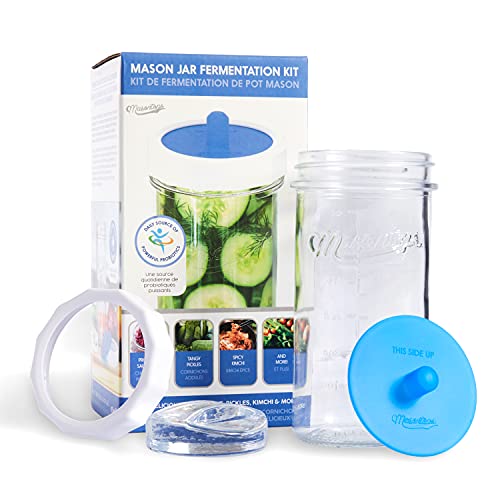
Masontops Fermentation Jar Starter Set, Easy Vegetable Fermentation Kit, Includes Mason Jar, Pickle Kit with Fermentation Lids & Fermentation Weight
MASONTOPS SINGLE MASON JAR FERMENTATION KIT: Includes all the tools needed to turn your ordinary regular mouth mason…
As an affiliate, we earn on qualifying purchases.
As an affiliate, we earn on qualifying purchases.
Frequently Asked Questions
What Are the Best Vegetables for Fermentation?
You’ll want to choose vegetable varieties like cabbage, carrots, cucumbers, radishes, and beets for fermentation. These vegetables work well with various fermentation techniques because they have the right texture and sugar content. When preparing, chop or grate them to guarantee proper fermentation and flavor development. Using fresh, high-quality vegetables will give you the best results, and experimenting with different varieties can add exciting flavors to your fermented creations.
How Long Does Homemade Sauerkraut Last?
Homemade sauerkraut typically lasts 4 to 6 months when properly stored. During the fermentation timeline, it develops flavor and probiotics. To maximize shelf life, keep it in an airtight container in the refrigerator, which slows down fermentation and prevents spoilage. Make sure to check for signs of spoilage like off odors or mold. Following storage tips guarantees your sauerkraut stays fresh and delicious longer.
Are There Any Health Risks With Fermented Foods?
Did you know that over 80% of people consuming fermented foods enjoy probiotic benefits? While fermentation safety is generally high, there are some risks, like contamination with harmful bacteria if you don’t follow proper hygiene or fermentation guidelines. To minimize health risks, make certain your tools are clean and monitor your ferment for signs of spoilage. When done correctly, fermented foods are safe and offer fantastic probiotic benefits.
Can I Ferment Foods Without Salt?
Yes, you can ferment foods without salt by using salt alternatives like seaweed or certain herbs, but it’s important to prioritize fermentation safety. Salt helps create an environment that inhibits harmful bacteria, so without it, you need to be extra cautious. Make certain your utensils and storage areas are clean, monitor the fermentation process closely, and consider adding other natural preservatives to maintain safety and prevent spoilage.
What Are Common Mistakes in Fermenting Sauerkraut and Kimchi?
Oh, the joys of fermentation—where a tiny mistake turns your cabbage into culinary chaos. You likely forget to contemplate fermentation temperature considerations, causing spoilage or bland results. Also, skipping container sterilization tips invites unwanted bacteria to the party. Common mistakes include improper salting, rushing the process, or not maintaining a consistent environment. Keep things clean, control temperature, and be patient—your tasty, probiotic harvest depends on it.

2 Pack 1 Gallon Large Fermentation Jars with 3 Airlocks and 2 SCREW Lids(100% Airtight Heavy Duty Lid w Silicone) – Wide Mouth Glass Jars w Scale Mark – Pickle Jars for Sauerkraut, Sourdough Starter
SUPER Fermentation Lid for Airlock: The improved threaded lids are sturdy, durable and rust free, they are airtight…
As an affiliate, we earn on qualifying purchases.
As an affiliate, we earn on qualifying purchases.
Conclusion
As you delve into making sauerkraut and kimchi, remember that fermented foods have surged in popularity—sales increased by over 30% in the last year alone. Not only do these tangy treats add flavor to your meals, but they also boost your gut health. So, don’t hesitate to experiment in your kitchen. Embrace this delicious trend and enjoy the benefits of nourishing, homemade fermented foods. Your taste buds—and your digestive system—will thank you!

SOLIGT 12" Sauerkraut Pounder for Mason Jars Vegetable Fermentation- One Piece of Solid Wood
Safe And Durable: Our kraut pounder is one solid piece of food grade beech wood, making it not…
As an affiliate, we earn on qualifying purchases.
As an affiliate, we earn on qualifying purchases.

Masontops Complete Mason Jar Fermentation Kit – Easy Small/Regular Mouth Jars Vegetable Fermenting Set – DIY Equipment Essentials
PREMIUM STARTER KIT FOR THE HOME FERMENTER: Includes all the tools needed to convert a regular (small) mouth…
As an affiliate, we earn on qualifying purchases.
As an affiliate, we earn on qualifying purchases.