Yeast fermentation shapes your favorite foods and drinks by transforming sugars into flavor-rich compounds like alcohols, acids, and aromatic esters. These byproducts add fruity, spicy, or smoky notes, deepening the taste profile. They also influence texture and preservation, making foods like bread, cheese, and wine more appealing. By controlling yeast strains and fermentation conditions, producers craft unique flavors. Keep exploring how these processes enhance your favorite flavors and the science behind them.
Key Takeaways
- Yeast metabolizes sugars to produce flavor-enhancing byproducts like esters and phenols.
- Fermentation generates alcohols, acids, and aroma compounds that contribute to food and beverage flavors.
- Different yeast strains and fermentation conditions create distinct aroma and taste profiles.
- Byproducts influence the texture, tanginess, and mouthfeel of fermented foods like yogurt and kefir.
- Controlling fermentation processes allows for flavor customization and development of unique food profiles.
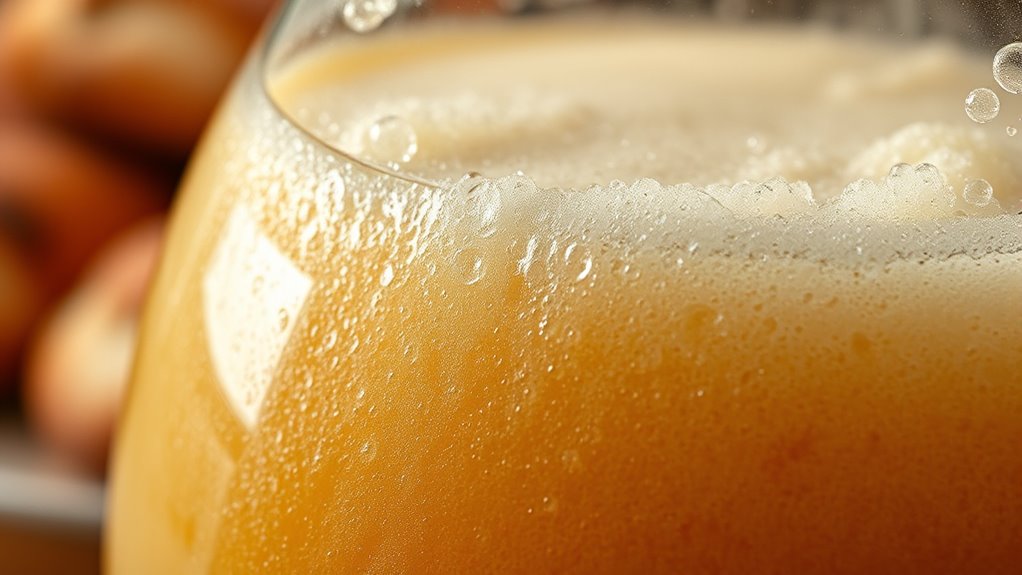
Have you ever wondered how what we eat is transformed from raw ingredients into the delicious foods on our plates? It all begins with tiny, mighty organisms like yeast, which play a crucial role in food science through a process called fermentation. When yeast metabolizes sugars, it produces not just alcohol and carbon dioxide but also a variety of fermentation byproducts that significantly influence flavor and texture. Understanding yeast metabolism helps us appreciate how these microorganisms turn simple ingredients into complex, tasty foods.
Yeast metabolism involves breaking down sugars, primarily glucose and fructose, to generate energy necessary for their growth and reproduction. During this process, yeast consumes sugars and converts them into alcohols, acids, and other compounds known as fermentation byproducts. These byproducts are key to developing the distinctive flavors we associate with bread, beer, wine, and other fermented foods. For example, in bread-making, the carbon dioxide released during fermentation causes dough to rise, creating that airy texture we love. Meanwhile, the fermentation byproducts contribute subtle flavors that add depth and complexity to the final product.
Yeast breaks down sugars into alcohols, acids, and byproducts that shape flavors and textures in fermented foods.
In beverages like beer and wine, yeast fermentation byproducts are even more pronounced, imparting unique aromas and tastes. These byproducts, such as esters and phenols, can produce fruity, spicy, or smoky notes, enriching the sensory experience. The specific strains of yeast used, along with fermentation conditions like temperature and duration, influence the types and amounts of these byproducts. This control allows food scientists and brewers to craft distinct flavor profiles and ensure consistency across batches.
The role of fermentation byproducts extends beyond flavor. They can also affect the texture and mouthfeel of foods. In dairy products like yogurt and kefir, for instance, fermentation byproducts help develop tanginess and creaminess. Furthermore, some byproducts have preservative qualities, extending shelf life and enhancing food safety. The biological activity of yeast and its fermentation byproducts is a delicate balance—too much or too little can alter the taste, aroma, or even the safety of the food. Additionally, research into yeast strains allows for the optimization of fermentation processes to improve both flavor and health benefits.

FastRack – Shepherd Made Mead Making Kit – 1 Gallon Jug Fermentation Set with Clear Glass Fermentation Jar, 3pc Airlocks, Rubber Stopper, Yeast Nutrient & Mead Yeast for Home Brewing
[WHAT'S INCLUDED] This comprehensive mead making kit includes everything needed for brewing – 1 Gallon Clear Glass Jug,…
As an affiliate, we earn on qualifying purchases.
As an affiliate, we earn on qualifying purchases.
Frequently Asked Questions
How Does Yeast Fermentation Impact Nutritional Content?
Yeast fermentation boosts your food’s nutritional content by promoting nutritional enhancement and vitamin synthesis. During fermentation, yeast breaks down complex compounds, making nutrients more bioavailable. It produces vitamins like B vitamins and folate, enriching your diet. As a result, fermented foods become more nutritious, helping you meet your daily vitamin needs. So, by consuming fermented foods, you benefit from increased nutritional value and improved overall health.
Can Yeast Fermentation Occur Without Oxygen?
Yes, yeast fermentation can occur without oxygen through anaerobic fermentation, where oxygen exclusion is essential. In this process, yeast converts sugars into alcohol and carbon dioxide without oxygen, making it ideal for brewing and baking. You facilitate this by ensuring no oxygen is present, allowing yeast to carry out anaerobic fermentation efficiently. This method produces different flavors and textures compared to aerobic fermentation, which involves oxygen.
What Are the Common Yeast Strains Used in Fermentation?
Imagine a world where your favorite bread or brew comes alive with the right yeast strain. Common yeast strains include Saccharomyces cerevisiae for baking and brewing, and Brettanomyces for unique flavors. By carefully selecting these yeast strains, you can optimize the fermentation process, ensuring consistent quality and desired flavors. Your choice directly influences the final product, making yeast strain selection a key step in fermentation process optimization.
How Does Temperature Influence Yeast Fermentation Flavor Profiles?
Temperature effects profoundly influence yeast fermentation flavor profiles. When you keep the temperature warm, yeast activity speeds up, producing more esters and phenols that enhance fruity and spicy flavors. If you lower the temperature, fermentation slows, resulting in cleaner, more subtle flavors. Controlling temperature allows you to tailor flavor development, ensuring your brew or baked good achieves the desired complexity and aroma. Proper temperature management is key to mastering yeast fermentation flavors.
Are There Health Risks Associated With Fermented Foods?
You might wonder if fermented foods pose health risks, but they’re generally safe and packed with probiotic benefits that boost your gut health. Still, beware of allergen considerations like gluten or histamines that could trigger reactions. While fermentation enhances flavor and nutrition, always check labels and consult your healthcare provider if you have allergies or sensitivities. Enjoy these tasty, healthful foods responsibly and safely.
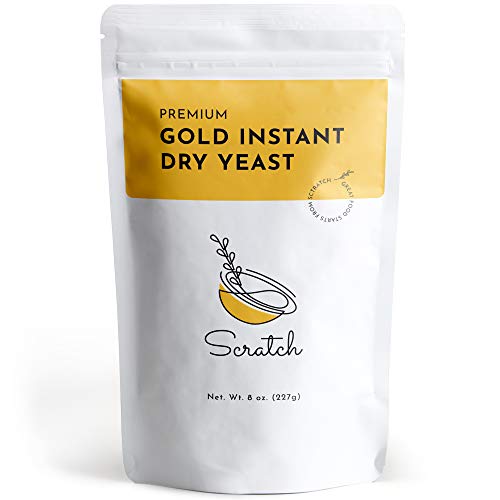
Scratch Gold Yeast – Instant Dry Yeast for a Rapid Rise – Add Straight to Dry Mix – Perfect for Making Bread, Bread Machines, Pizza Dough, Crusts & More – (Gold 8oz) (1 Packet)
Save Time and Bake Delicious Bread: Scratch Gold Instant Dry Yeast is the premier Instant Dry Yeast for…
As an affiliate, we earn on qualifying purchases.
As an affiliate, we earn on qualifying purchases.
Conclusion
So, next time you enjoy that perfectly bubbly bread or tangy brew, remember it’s all thanks to yeast’s tiny fermentation party. You’d think such simple microorganisms would be content with just rising dough, but instead, they craft complex flavors you’re happily savoring. Ironically, it’s their unassuming magic that transforms plain ingredients into culinary masterpieces, making you wonder if the true flavor alchemist is the humble yeast—working tirelessly behind the scenes, yet often overlooked.

Wine Making Kit Home Brewing – Complete Grape Juice Brew Starter Set for Beginners, 1 Gallon Glass Fermentation Jar with 4 Bottles, Yeast & Nutrients, Siphon, Airlock and Step-By-Step Guide
Complete Home Brewing Kit for Beginners: This wine making kit provides everything you need for wine making. No…
As an affiliate, we earn on qualifying purchases.
As an affiliate, we earn on qualifying purchases.

LorAnn Tart and Sour Flavor Enhancer – 16 ounce bottle
Make Your Fruit Flavors Pop! Beware….this product packs serious pucker power! Tart and Sour is a unique flavor…
As an affiliate, we earn on qualifying purchases.
As an affiliate, we earn on qualifying purchases.