
To plan a food-focused trip without falling into tourist traps, prioritize local markets and street vendors. These spots offer authentic dishes, fresh ingredients, and a true taste of the region’s culinary culture. Engage with vendors, ask questions, and try regional specialties. Support small businesses and avoid chain restaurants that cater to tourists. By immersing yourself in these authentic food scenes, you’ll experience genuine flavors and cultural stories. Keep exploring, and you’ll uncover even more culinary gems.
Key Takeaways
- Research local markets and street food spots with recommendations from locals or trusted sources.
- Prioritize authentic eateries and avoid heavily commercialized restaurants targeting tourists.
- Engage directly with vendors to learn about traditional ingredients and cooking methods.
- Explore neighborhoods known for their culinary heritage rather than popular tourist districts.
- Practice mindful tasting and cultural curiosity to deepen understanding and appreciation of local cuisine.

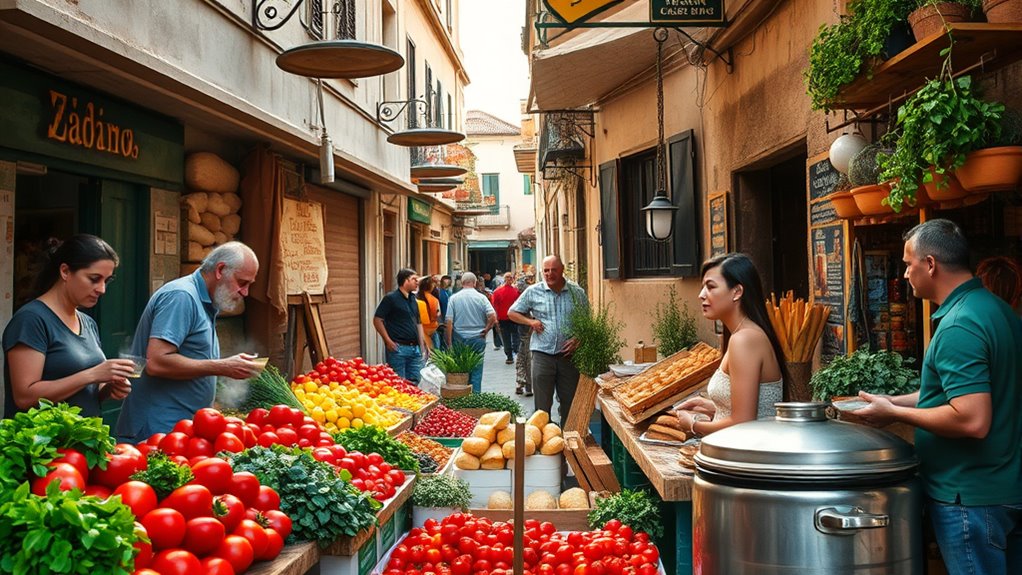
Have you ever wondered why food is such a compelling way to experience a new place? It’s not just about satisfying your hunger; it’s about immersing yourself in the culture, history, and everyday life of a destination. When you explore local food markets, you get a firsthand look at what locals eat, how they shop, and what ingredients define their cuisine. These markets are vibrant hubs, bursting with fresh produce, spices, and regional specialties that you won’t find in tourist restaurants. Walking through these bustling spaces, you can sample authentic street cuisine—delicious, affordable bites crafted with traditional techniques. These foods tell stories about the land, the people, and their customs, making your culinary journey more meaningful.
Instead of sticking to the typical tourist spots, seek out these local markets to get a true taste of the destination. Here, vendors often prepare dishes right in front of you, offering authentic street cuisine that’s both flavorful and affordable. Think of steaming bowls of noodles, skewers sizzling on open grills, or fragrant pastries wrapped in paper. These experiences allow you to connect directly with local cooks who take pride in their recipes passed down through generations. Plus, by choosing street food over restaurant meals, you’re supporting small vendors and local economies, which helps foster genuine cultural exchange. Research shows that exploring local ingredients can significantly enrich your understanding of regional culinary traditions.
To make the most of your culinary adventure, do some research beforehand. Find out where local markets are held and what signature dishes or snacks they’re famous for. Ask locals or hotel staff for recommendations—they often know the best spots that aren’t overrun by tourists. When you visit these markets, approach with an open mind and a willingness to try new flavors. Don’t be shy about asking questions or requesting a small sample. Many vendors are enthusiastic to share their culinary traditions, offering insights into their ingredients and cooking methods. This curiosity not only enhances your experience but also helps you appreciate the cultural significance behind each dish. Additionally, understanding the role of local ingredients in regional cuisine can deepen your appreciation for the culinary traditions you encounter. Incorporating mindful tasting and mindfulness techniques during your food exploration can elevate your journey by encouraging present-moment awareness and gratitude for each bite.
Frequently Asked Questions
How Can I Find Authentic Local Eateries Away From Tourist Spots?
To find authentic local eateries away from tourist traps, start by exploring street food vendors and local markets. Join market tours to discover hidden gems that locals love, rather than sticking to popular tourist spots. Talk to residents for recommendations, and wander neighborhoods where locals gather. These authentic experiences give you a taste of genuine cuisine and culture, making your trip more memorable and immersive.
What Are the Best Resources for Discovering Hidden Culinary Gems?
Imagine you’re a detective uncovering hidden gems — that’s how you should approach discovering food spots. Use resources like food blog collaborations and culinary festival guides to find local favorites off the beaten path. These tools reveal authentic eateries that tourists often miss. Combining online research with advice from locals helps you enjoy genuine flavors while avoiding tourist traps, turning your trip into a true culinary adventure.
How Do I Identify Genuine Food Experiences Versus Commercialized Ones?
To spot genuine food experiences, focus on local favorites like street food stalls and food festivals where locals gather. Avoid overly touristy spots with glossy menus and reviews. Instead, ask locals for recommendations or look for busy vendors with authentic dishes. These places often serve fresh, traditional flavors, giving you a true taste of the culture. Trust your senses, and you’ll find memorable, authentic culinary adventures away from the tourist traps.
Are There Tips for Communicating Dietary Restrictions While Traveling?
Your concern about dietary communication is a mountain you can definitely conquer. To guarantee smooth allergy management, always learn key phrases in the local language, carry translation cards, and clearly state your restrictions at restaurants. Don’t hesitate to speak up confidently and double-check ingredients. Being proactive helps you enjoy authentic experiences safely, turning potential language barriers into opportunities for meaningful connections and safe, delicious adventures.
How Can I Support Local Food Traditions Sustainably During My Trip?
To support local food traditions sustainably, you should prioritize farm-to-table initiatives and sustainable sourcing. Seek out restaurants that partner with local farmers and artisans, reducing environmental impact and supporting the community. Avoid large tourist traps and instead, explore small, family-run eateries that preserve authentic culinary practices. By doing so, you help maintain cultural food traditions while promoting eco-friendly practices, ensuring your trip benefits both the local community and the environment.
Conclusion
As you savor every authentic bite, you realize that the best culinary experiences aren’t just about the food—they’re about the connections and surprises along the way. Sometimes, the most memorable moments happen when you least expect them, turning a simple meal into a meaningful story. So, trust your instincts, embrace the unexpected, and let each delicious discovery remind you that the true flavor of travel lies in the genuine moments you find along the journey.