To elevate your special occasion plating, use vibrant colors and striking garnishes like edible flowers or fresh herbs to make dishes pop. Choose unique plate shapes—square, rectangular, or oval—to frame your presentation creatively. Keep your arrangements balanced and clean, and add colorful sauces or accents to draw the eye. Remember, thoughtful design makes everything more festive and memorable. Keep exploring for more tips to turn simple dishes into unforgettable visual masterpieces.
Key Takeaways
- Use vibrant garnishes like edible flowers, fresh herbs, or colorful fruits to add visual appeal and festive flair.
- Incorporate contrasting colors between garnishes and main dishes to create eye-catching, lively presentations.
- Select plate shapes, such as rectangular or oval, to frame garnishes and highlight their visual importance.
- Arrange garnishes thoughtfully to balance symmetry, proportion, and overall composition for a polished look.
- Keep garnishes fresh and minimal to avoid clutter, ensuring they enhance rather than overpower the main dish.

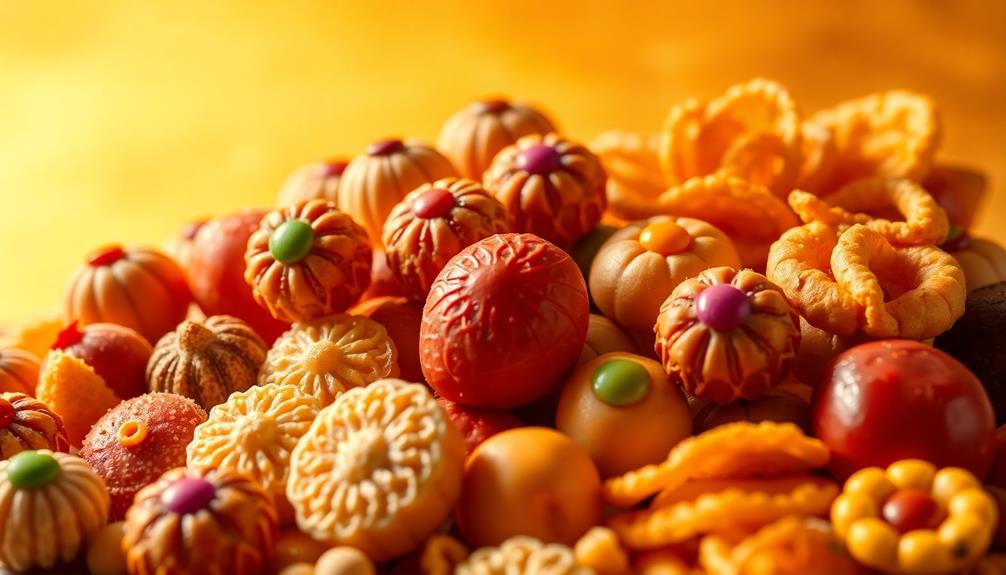
When celebrating a special occasion, the way you plate your food can elevate the entire experience. It’s not just about what’s on the plate, but how it’s presented. One of the most impactful ways to do this is by paying attention to food color and plate shapes. Bright, contrasting food colors draw the eye and create visual excitement, making each dish look more appetizing and festive. Use vibrant vegetables, colorful sauces, or edible flowers to add pops of color that stand out against neutral or elegant plate backgrounds. Incorporating a variety of hues not only stimulates the senses but also signals to your guests that a special effort has been made, setting a celebratory tone right from the start.
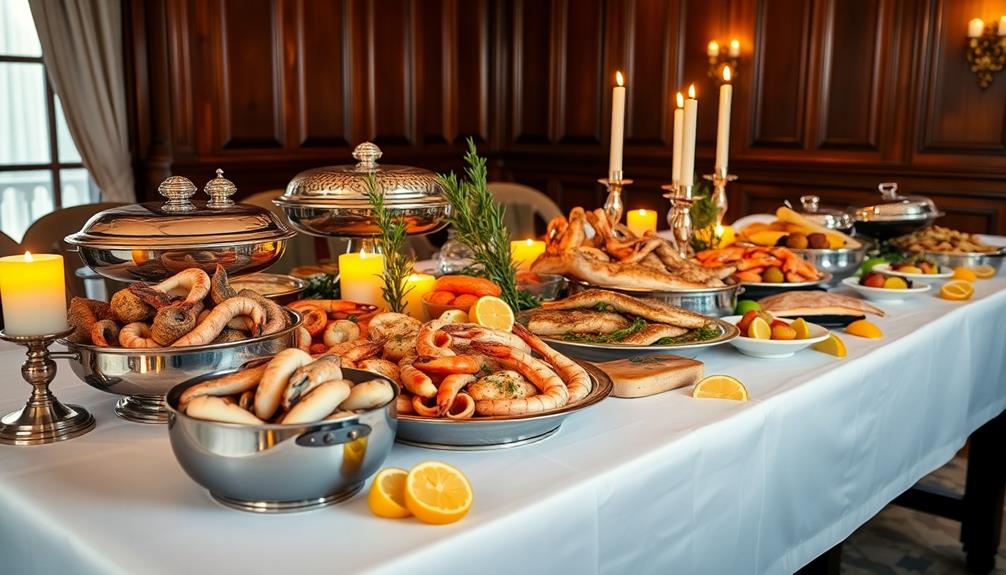
Plate shapes also play a vital role in elevating your presentation. Instead of opting for standard round plates, consider using square or rectangular plates for a modern, sophisticated look. Unique shapes can help frame your food more artfully, guiding the eye naturally toward the centerpiece of the dish. For example, a long, narrow plate can be perfect for arranging a series of small bites or a beautifully plated entrée, creating a sense of symmetry and balance. If you’re serving multiple components, using different plate shapes can help distinguish each element while maintaining a cohesive aesthetic. You might choose a round plate for the main course, paired with smaller square or oval dishes for sides or garnishes, adding visual interest and variety.
To truly make your plating stand out, think about how food color and plate shapes complement each other. Brightly colored foods look especially striking on minimalist, monochrome plates, allowing the colors to pop. Conversely, if you opt for a patterned or textured plate, keep the food presentation simple to avoid visual clutter. The shape of the plate can also influence how you arrange your food—an elongated plate encourages linear, elegant arrangements, while a round plate lends itself to more organic, free-form designs. Additionally, considering the balance of elements on your plate can enhance the overall presentation, ensuring that each component contributes to a harmonious composition.
Ultimately, the goal is to create a visual narrative that enhances the flavors and makes your guests feel special. By thoughtfully choosing food colors and plate shapes, you turn a simple meal into a memorable visual feast. When every detail is intentional, your presentation becomes a true reflection of the celebration, making the occasion even more unforgettable.
Frequently Asked Questions
How Do I Choose the Right Garnishes for Different Dishes?
You choose the right garnishes by considering flavor enhancement and visual appeal. Think about how the garnish complements the dish’s main ingredients and adds contrast or harmony in color and texture. For example, herbs like parsley boost flavor and look fresh, while citrus slices brighten the plate’s appearance. Always select garnishes that enhance the overall experience, making each dish more inviting and delicious.
What Tools Are Essential for Professional Plating?
Think of your tools as a painter’s brushes—essential for creating art. For professional plating, you need precision utensils like tweezers, squeeze bottles, and palette knives. These help you master plating techniques and add fine details. A steady hand and the right utensil selection transform simple ingredients into a visually stunning dish. With these tools, you can elevate presentation, making every plate a masterpiece worth savoring.
How Can I Make Plating Easier for Large Events?
To make plating easier for large events, focus on bulk plating and time-saving techniques. Prepare ingredients in advance, and set up a dedicated station with all tools and garnishes within reach. Use portioning tools like scoops or squeeze bottles for consistency and speed. Organize your workspace to minimize movement, and consider pre-plating components in bulk, so you can quickly assemble dishes without delays. This approach keeps things efficient and stress-free.
Are There Seasonal Garnishing Ideas for Special Occasions?
You can incorporate seasonal produce like pumpkins, cranberries, or fresh herbs to add a festive touch to your plating. Think about using colors and shapes that match the occasion, such as holly leaves or pinecones for winter, or bright berries for summer events. These seasonal garnishes not only enhance visual appeal but also celebrate the time of year, making your presentation more memorable and aligned with the festive theme.
How Do I Prevent Garnishes From Wilting or Losing Freshness?
Think of your garnishes as delicate dancers on a stage; to keep them vibrant, you must act swiftly. To prevent wilting and preserve freshness, cut and prepare them just before serving. Keep leafy greens in cold water, and store delicate herbs in damp paper towels inside airtight containers. Use stabilizers like lemon juice or honey for fruit garnishes. These steps guarantee garnish stability and maintain their visual appeal throughout your special occasion.
Conclusion
Think of your plate as a canvas and your garnishes as the brushstrokes that bring it to life. With each careful placement, you’re not just serving food—you’re telling a story of celebration and care. Remember, the art of presentation transforms a meal into a cherished memory, much like a master painter turns blank canvas into a masterpiece. So, embrace your creativity and make every plate a work of art that leaves a lasting impression.