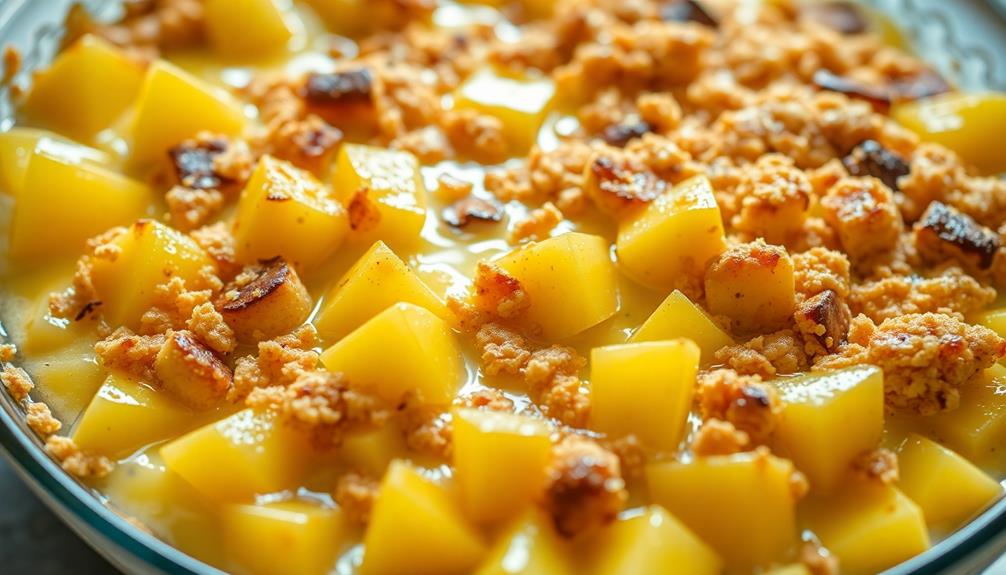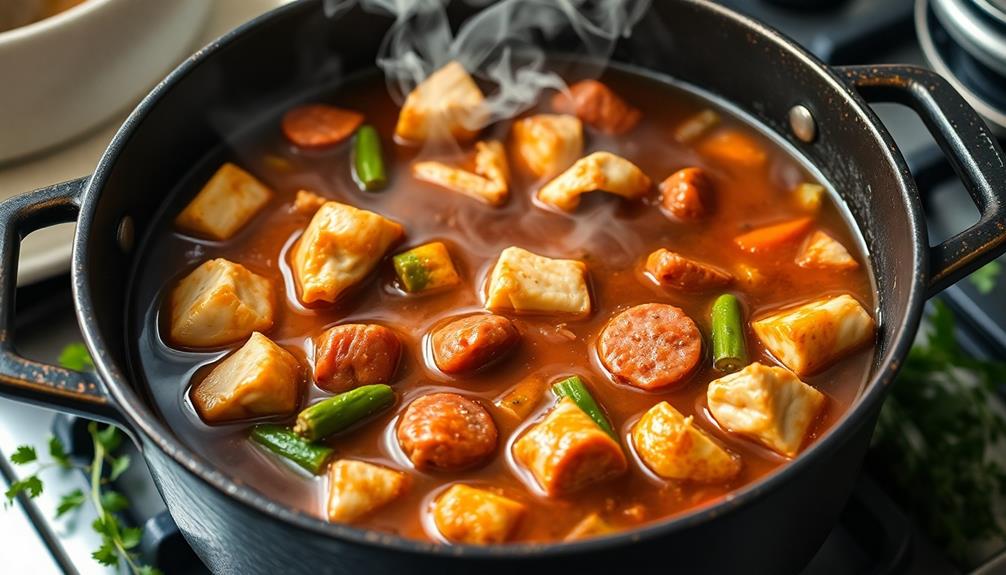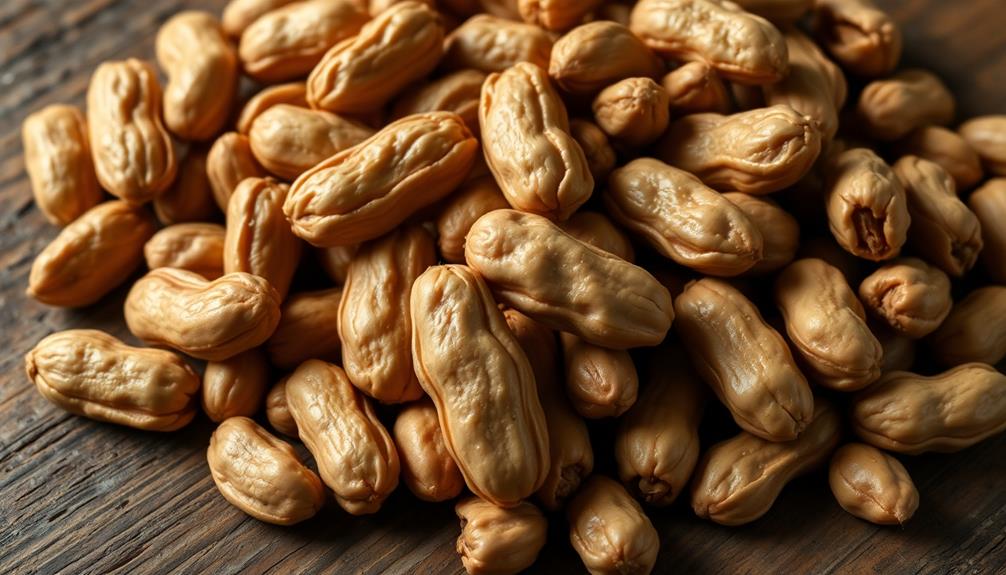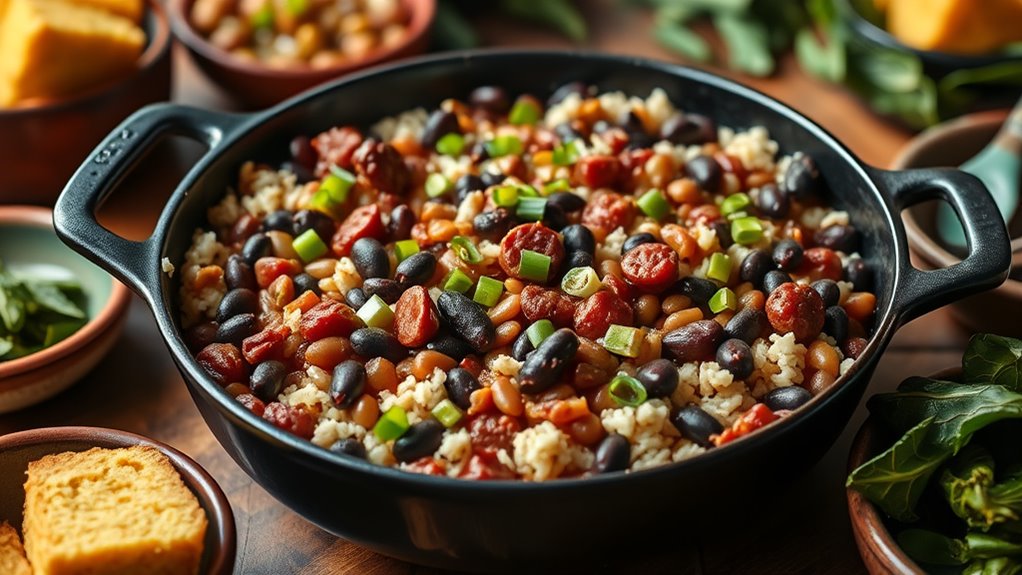

Hoppin’ John is a Southern tradition featuring black-eyed peas and rice, symbolizing prosperity and hope for the New Year. Many families enjoy this dish to connect with their heritage and start fresh. You can personalize it with ingredients like smoked meats, spices, or vegetables to suit your tastes. Its rich history and cultural significance make it more than just a meal. Keep exploring to discover more about its unique varieties and modern twists.
Key Takeaways
- Hoppin’ John is a traditional Southern dish combining black-eyed peas and rice, symbolizing prosperity and abundance for New Year’s celebrations.
- The dish varies regionally, with options like smoked ham hock, bacon, or vegetarian ingredients, reflecting local flavors and personal preferences.
- Preparing and sharing Hoppin’ John is a cultural ritual that connects families to Southern heritage and culinary roots.
- Modern adaptations include additional vegetables and seasonings, allowing for creative twists while maintaining its symbolic significance.
- The dish’s popularity continues to grow as a flavorful, meaningful tradition that embodies hope, renewal, and cultural pride.
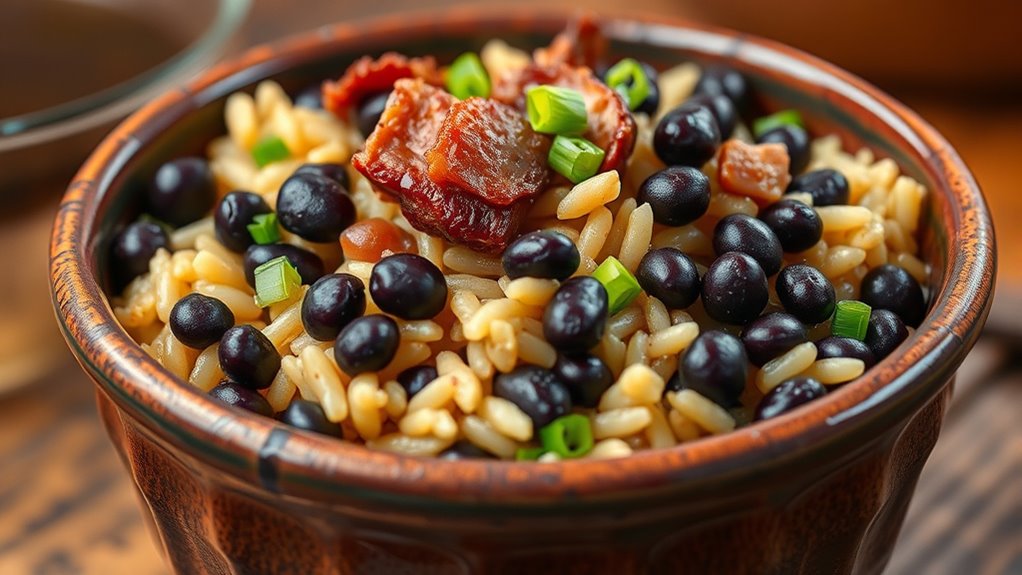
Have you ever wondered why Black-eyed Peas and Rice are a Southern New Year’s tradition? It’s a dish steeped in history and symbolism, passed down through generations, and its popularity keeps growing as families embrace these growing traditions. Each year, as you prepare or enjoy this meal, you become part of a larger story that connects you to the South’s culinary roots. The beauty of this dish lies in its versatility and the way it adapts to different tastes and regional influences. Flavor variations abound, allowing you to customize your Hoppin’ John to suit your preferences while still honoring the tradition.
The core ingredients—black-eyed peas and rice—are simple, but the way you prepare them can vary widely. Some folks like to cook their peas with smoked ham hock or bacon, infusing the dish with a smoky richness that’s deeply comforting. Others prefer a vegetarian version, using flavorful vegetable broth and adding spices like thyme, bay leaves, or hot sauce for a kick of heat. You might even find variations that include tomatoes, peppers, or onions, giving the dish a slightly different flavor profile while maintaining its essential character. These flavor variations reflect regional differences and personal tastes, making each pot of Hoppin’ John unique.
As you make this dish, you’ll notice how the growing traditions around it adapt to modern tastes. For example, some families incorporate more vegetables or use different types of rice, like jasmine or brown rice, to boost nutritional value. Others experiment with seasoning blends, adding things like Cajun spices or garlic to give it a new twist. Despite these variations, the symbolic meaning remains intact: the black-eyed peas are believed to bring prosperity, while the rice signifies abundance. The act of preparing and sharing this meal on New Year’s Day helps reinforce family bonds and cultural heritage, making it more than just a dish—it’s a ritual that signals hope and renewal.
In the end, whether you stick to a classic recipe or experiment with flavor variations, Hoppin’ John connects you to a tradition that’s rooted in history but alive with modern innovation. As you gather around the table, you’re participating in a growing tradition that continues to evolve, celebrating the rich flavors and cultural significance of this Southern favorite.
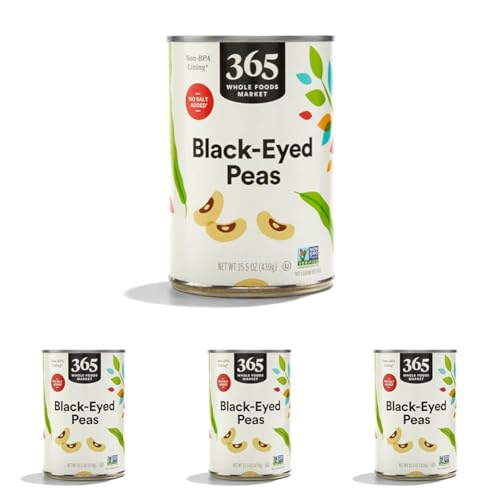
365 by Whole Foods Market, Peas Black Eyed No Salt Added, 15.5 Ounce (Pack of 4)
The information below is per-pack only
As an affiliate, we earn on qualifying purchases.
As an affiliate, we earn on qualifying purchases.
Frequently Asked Questions
What Are the Origins of Hoppin’ John?
You might be surprised to learn that the origins of Hoppin’ John trace back to West African and Scottish influences, blending history and culture. This dish gained cultural significance in the American South, especially during New Year’s celebrations, symbolizing prosperity and good luck. Its history reflects a rich mix of traditions, making it a beloved staple that connects generations and highlights the diverse roots of Southern cuisine.
Can Hoppin’ John Be Made Vegan or Vegetarian?
Yes, you can make hoppin’ John vegan or vegetarian easily. Swap out traditional meat substitutes like smoked tempeh or veggie sausage for added flavor, and use vegetable broth instead of animal-based one. To boost taste, add spices, smoked paprika, or liquid smoke. With these substitutions, you retain the hearty, savory essence of hoppin’ John while keeping it plant-based and cruelty-free.
Are There Regional Variations of Hoppin’ John Across the South?
Think of hoppin’ john as a blank canvas, ready for regional spice and culinary variations. Across the South, you’ll find differences—from Georgia’s smoky meats to South Carolina’s tangy seasonings. In Louisiana, spicy Cajun twists add heat, while in Alabama, hearty additions like smoked sausage mingle with black-eyed peas. These regional flavors turn a simple dish into a vibrant tapestry of Southern spice, reflecting local tastes and traditions.
How Long Does It Take to Prepare Traditional Hoppin’ John?
Preparing traditional Hoppin’ John takes about 1.5 to 2 hours, including prep and cooking time. You’ll spend roughly 30 minutes on preparation, soaking the black-eyed peas, and chopping ingredients. The cooking duration is around 1 hour, during which you simmer the peas with rice, spices, and ham hock or bacon. Keep an eye on it to verify the peas are tender and flavors meld perfectly.
What Are Some Common Side Dishes Served With Hoppin’ John?
You’ll find that classic Southern comfort sides like collard greens, cornbread, or fried green tomatoes pair perfectly with hoppin’ john. These dishes enhance the flavor pairing, creating a hearty, satisfying meal. Consider adding pickled vegetables or a tangy mustard sauce for extra zest. These sides balance the richness of the black-eyed peas and rice, making your New Year’s feast both delicious and memorable.

Hobe's Country Ham Hocks 2/12 Oz Seasoning Bone DOES NOT REQUIRE REFRIGERATION UNTIL OPENED
Dry cured and naturally smoked to perfection for an authentic Southern Appalachian flavor profile.
As an affiliate, we earn on qualifying purchases.
As an affiliate, we earn on qualifying purchases.
Conclusion
As you savor the warm, hearty aroma of hoppin’ john, picture the golden peas and fluffy rice mingling in your bowl, promising luck and prosperity for the year ahead. With each bite, you taste tradition and hope, feeling the comforting weight of Southern history in every spoonful. Let this dish be more than a meal—embrace it as a delicious symbol of new beginnings, filling your home with both flavor and good fortune.

Food to Live Organic Black-Eyed Peas, 1 Pound – Raw Dried Cow Peas, Non-GMO, Bulk Beans, Product of the USA
✔️Delicious and highly nutritious, organic black-eyed beans are a great addition to any diet.
As an affiliate, we earn on qualifying purchases.
As an affiliate, we earn on qualifying purchases.

Frontier Co-op Organic Cajun Seasoning, Louisiana-Style Spice Blend for Meats, Seafood, Jambalaya, Cajun Pasta | 2.08 Ounce (Pack of 1)
Cajun Seasoning – Frontier Co-op Organic Cajun Seasoning is a bold, aromatic blend of organic herbs and spices…
As an affiliate, we earn on qualifying purchases.
As an affiliate, we earn on qualifying purchases.