TL;DR

Get kitchen staples and gadgets delivered free with Prime
- Fast, free delivery on millions of items
- Prime Video, Amazon Music and more included
- Member-only deals all year
Falanghina and other southern Italian white wines are ideal for late summer, offering refreshing acidity and savory complexity. They pair well with seafood, grilled vegetables, and early-autumn dishes. This guide helps you choose, serve, and enjoy these versatile wines as summer ends.
Falanghina and other southern Italian white wines are emerging as top choices for the final days of summer, thanks to their balance of refreshing acidity and savory complexity. These wines are perfect for hot evenings and versatile enough to accompany a range of seasonal dishes, from seafood to ripe vegetables. As the season shifts, wine enthusiasts are increasingly turning to these bottles to complement late-summer meals and extend the enjoyment of warm weather flavors.
Falanghina, originating from Campania, is known for its lively acidity, with notes of lemon peel, white peach, and wildflowers. Most versions are dry, stainless-steel fermented, offering a clean fruit profile with a salty or gently bitter finish, making them suitable for seafood, fried vegetables, and fresh cheeses. The grape exists mainly in two forms: Falanghina Beneventana in Sannio and Falanghina Flegrea in the volcanic Campi Flegrei, each imparting slightly different character—richer and fruit-forward versus leaner and saline.
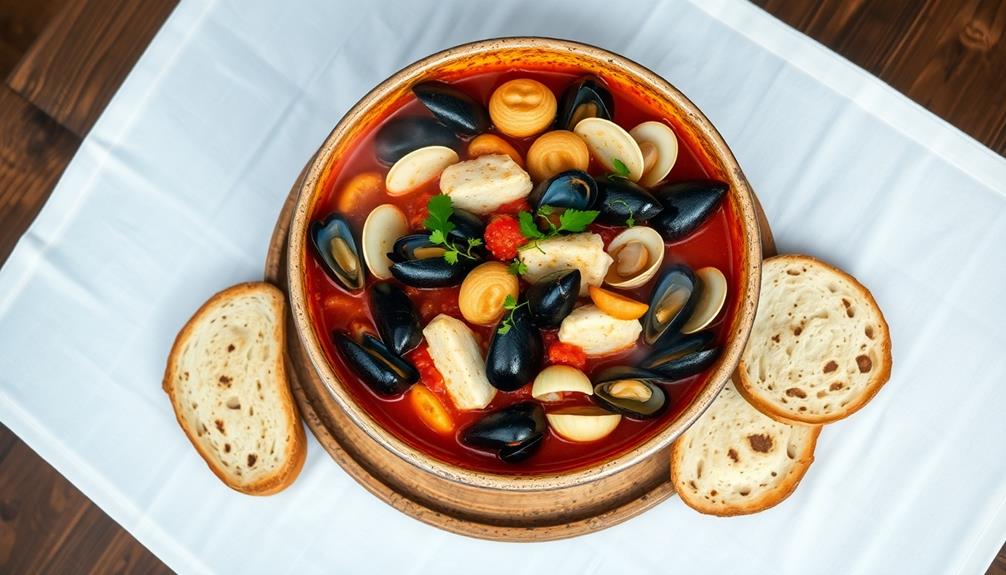
Beyond Falanghina, other southern Italian whites such as Fiano, Greco, Carricante, Grillo, and Vermentino expand the range of textures and flavors. Fiano offers a richer, fuller body, ideal for cooler evenings or dishes with more weight, such as roasted poultry. Greco provides a firmer, mineral-tinged profile, perfect for dishes with stronger flavors like capers or charred fish. Carricante, from Sicily, offers high acidity and saline tension, pairing well with shellfish and baked fish. These wines collectively serve as a toolkit for late-summer dining, balancing freshness with structure.
Choosing the right bottle involves reading labels carefully. For more insights, see the original analysis. Key clues include the grape variety, geographic origin, vintage, and alcohol level. For example, a recent Falanghina del Sannio DOC is versatile and fresh, while an older Fiano di Avellino may show honeyed or nutty notes suitable for autumnal dishes. Lower alcohol levels often indicate lighter styles, while higher alcohol suggests riper fruit and more body. These details help consumers select wines that match their menu and occasion.
Why Southern White Wines Elevate Late-Summer Meals
These wines offer a unique combination of refreshing acidity and savory complexity that can handle a variety of late-summer dishes. They are versatile, pairing well with seafood, grilled vegetables, and light meats, making them ideal for outdoor dinners and casual gatherings. As summer wanes, these wines help extend the season’s flavors, providing a way to enjoy the last warm evenings with food and drink that complement the seasonal produce.
As an affiliate, we earn on qualifying purchases.
The Growing Appreciation for Southern Italian Whites
Historically, southern Italian whites like Falanghina, Fiano, and Greco have been overshadowed by more internationally known varieties. However, recent interest in regional wines and food-focused drinking has increased their popularity. These wines are rooted in ancient traditions, with distinct profiles shaped by volcanic soils, coastal influences, and traditional winemaking methods. The trend toward lighter, more expressive white wines has brought these bottles into focus for consumers seeking food-friendly options that reflect the local terroir.
“Falanghina’s bright acidity and floral notes make it a perfect match for late-summer seafood and vegetable dishes.”
— Wine expert Maria Russo
What Aspects of These Wines Are Still Developing?
While the general appeal of southern Italian whites is clear, there are ongoing debates about optimal aging potential and how label variations influence flavor profiles. It is not yet confirmed how much vintage variation affects the freshness or richness of these wines, especially in different regions. Additionally, the impact of different winemaking techniques—such as lees aging or skin contact—on flavor and texture remains an area of exploration.
Future Trends in Southern Italian White Wine Consumption
Expect increased focus on aging potential and terroir expression in marketing and tasting notes. Wine producers may develop more diverse styles, including sparkling and barrel-aged versions, to appeal to evolving consumer preferences. As interest in regional wines grows, more wine shops and restaurants are likely to feature curated selections of these whites, encouraging consumers to explore beyond traditional options and integrate these wines into their autumn dining plans.
Key Questions
Which southern Italian white wine is best for hot evenings?
Falanghina is an excellent choice for hot evenings due to its bright acidity and refreshing fruit profile, making it perfect for outdoor dining and seafood.
How should I serve these wines for optimal enjoyment?
Most southern Italian whites are best served chilled at around 8-10°C. For fuller-bodied options like Fiano, a slightly warmer serving temperature around 10-12°C can enhance their richness.
Can these wines age, or are they meant to be consumed young?
Many are designed for early drinking, especially Falanghina and Greco, but some Fiano and Carricante have aging potential, developing more complex notes over several years.
What dishes pair well with these wines?
Seafood, grilled vegetables, fresh cheeses, and light poultry dishes complement most southern whites. Specific pairings include fried calamari with Falanghina, roasted chicken with Fiano, and shellfish with Carricante.
Source: Mad Tasting
NFL season / tailgating Picks
team gear
As an affiliate, we earn on qualifying purchases.