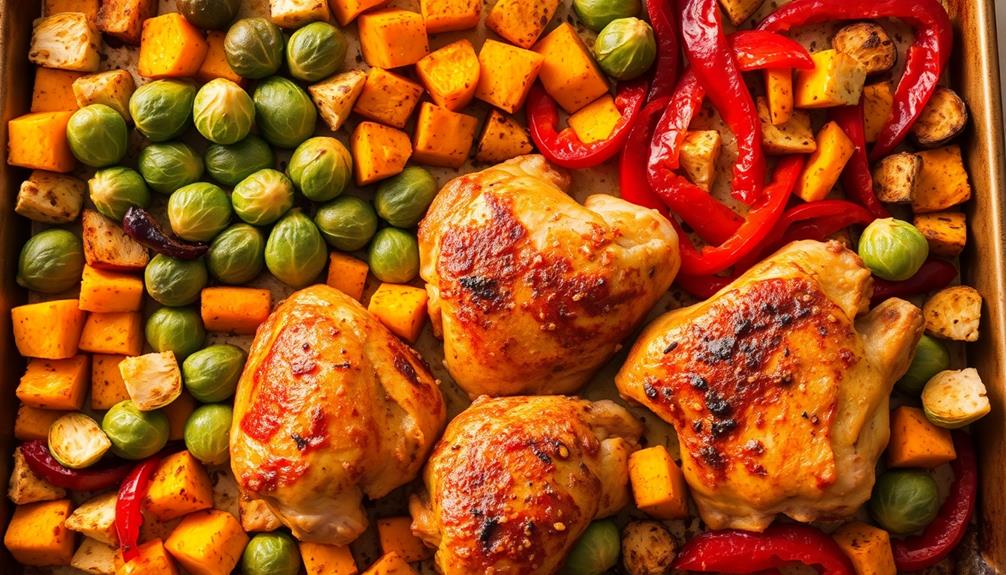
To make a veggie-packed minestrone soup in one pot, start by sautéing aromatics like onions, garlic, and carrots for flavor. Add chopped vegetables, beans, and pasta, then pour in vegetable broth. Let everything simmer gently until vegetables are tender and flavors meld. Adjust seasoning with salt, pepper, and herbs. Keep greens and pasta for the end to prevent overcooking. If you continue, you’ll discover tips to customize and perfect your soup every time.
Key Takeaways
- Sauté aromatics and vegetables first to build a flavorful base for the minestrone soup.
- Layer ingredients thoughtfully, adding quick-cooking items like greens and pasta near the end to prevent overcooking.
- Use vegetable broth and incorporate beans or lentils for added protein and nutrition.
- Simmer gently to develop deep flavors and soften vegetables, adjusting seasoning throughout.
- Customize with pantry staples like canned tomatoes, zucchini, or potatoes for a hearty, veggie-packed meal.

When you’re short on time or energy, one-pot meals become your best friend in the kitchen. They save time, reduce cleanup, and deliver hearty, flavorful dishes with minimal fuss. For a veggie-packed minestrone soup, mastering simple cooking techniques is essential to creating a satisfying and nutritious meal. You’ll want to start by sautéing aromatics like onions, garlic, and carrots in a single pot. This not only builds flavor but also sets the foundation for the soup’s rich taste. Once those are fragrant and softened, add your broth and canned or fresh vegetables, making sure you layer ingredients thoughtfully. Stir occasionally, allowing flavors to meld and ingredients to cook evenly, all in one vessel.
Master one-pot minestrone by sautéing aromatics, layering ingredients, and simmering gently for a hearty, easy meal.
One-pot minestrone is versatile, so ingredient substitutions are your best friend when adapting the recipe to what you have on hand. If you’re out of canned tomatoes, for example, fresh chopped tomatoes work just as well—just note they may need a little extra cooking time to break down. If you prefer a vegetarian version, swap out chicken broth for vegetable broth, which enhances the soup’s natural vegetable flavors. Want to add more protein? Toss in some cooked beans or lentils—they’ll simmer right in with everything else. When it comes to pasta or grains, opt for small pasta shapes like ditalini or orzo, or even rice, which cook quickly and absorb the flavors beautifully. If you’re gluten-free or want to avoid pasta, consider adding diced potatoes or zucchini for added heartiness.
Cooking techniques in one-pot minestrone are straightforward but vital for success. Keep the heat steady, and don’t rush the simmering process; gentle, consistent heat allows the flavors to deepen and the vegetables to soften perfectly. To prevent overcooking delicate ingredients like greens or pasta, add these towards the end of cooking. This ensures they stay vibrant and don’t turn mushy. Adjust seasoning with salt, pepper, and herbs—basil, thyme, or bay leaves work wonderfully. Taste as you go, and don’t hesitate to modify ingredients based on your preferences or what’s available in your pantry.
Ultimately, making veggie-packed minestrone in one pot is about flexibility and technique. It’s about trusting your instincts for ingredient substitutions and understanding how different cooking methods influence flavor and texture. With a little practice, you’ll master a comforting, nutritious meal that’s perfect for busy weeknights or when you want to make the most of simple ingredients—all without the chaos of multiple pots and pans.

LIANYU 1QT Saucepan with Lid, 1 Quart Stainless Steel Saucepan, Small Pot Milk Soup Pan for Home Kitchen Restaurant, Long Heatproof Handle, Dishwasher Safe
Healthy material, 1 quart saucepan is made of superior 18/10 stainless steel, pure stainless steel saucepan without harmful…
As an affiliate, we earn on qualifying purchases.
As an affiliate, we earn on qualifying purchases.
Frequently Asked Questions
Can I Freeze Leftovers of Minestrone Soup?
Yes, you can freeze leftovers of minestrone soup. To do so, let the soup cool completely, then transfer it to airtight containers or freezer bags. When reheating, use a stovetop or microwave, stirring occasionally for even heat. For best results, consume within 3-4 months. Freezing leftovers helps preserve flavor and nutrients, making reheating tips essential to maintain the soup’s freshness and taste after thawing.
What Are Alternative Pasta Options for Gluten-Free Diets?
For gluten-free diets, you can choose alternative pasta made from gluten-free grains like rice, corn, or chickpeas. These options are widely available and work well in minestrone soup. You might also try spiralized vegetables like zucchini or carrots for a fresh, low-carb twist. Just make certain you read labels carefully to avoid cross-contamination, and you’ll enjoy a hearty, safe meal with these delicious gluten-free pasta alternatives.
How Long Can I Store the Soup in the Fridge?
It’s a coincidence that you’re thinking about storage duration just as you prepare the soup. You can store the veggie-packed minestrone in the fridge for up to 4-5 days. To keep it fresh, follow good refrigeration tips: let it cool before sealing, use airtight containers, and keep the temperature below 40°F. This way, your soup stays delicious and safe to enjoy later.
Can I Use Fresh Vegetables Instead of Frozen?
Yes, you can use fresh vegetables instead of frozen in your minestrone soup. Seasonal substitutions work well, so choose fresh produce like zucchini, green beans, or carrots when they’re in season. Keep in mind, fresh vegetables may require slightly longer cooking time, and you might need to adjust seasonings for flavor balance. This way, your soup stays flavorful and vibrant, even with fresh ingredients.
What Are Some Topping Ideas for Serving?
You can elevate your minestrone soup with garnishing ideas like freshly grated Parmesan or a drizzle of good olive oil for flavor enhancements. Consider adding chopped fresh herbs like basil or parsley for a burst of freshness. Croutons or a dollop of pesto also make excellent toppings, adding texture and taste. These garnish suggestions will make your soup more inviting and delicious, perfect for serving any day.
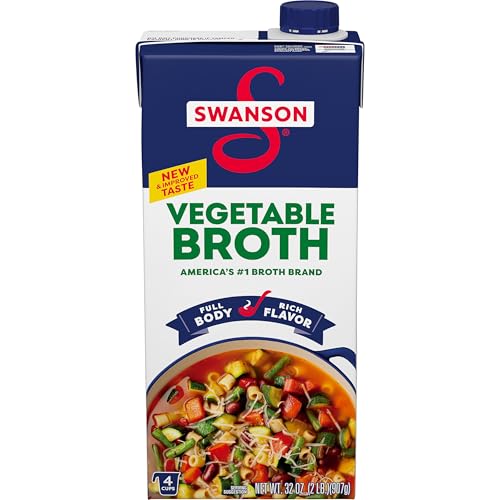
SWANSON S Vegetable Broth, 32 oz Carton
Swanson Vegetable Broth is made with quality ingredients for a rich homemade taste
As an affiliate, we earn on qualifying purchases.
As an affiliate, we earn on qualifying purchases.
Conclusion
Now that you’ve mastered this veggie-packed minestrone, you’ve got a recipe that’s as easy as pie and just as satisfying. It’s a one-pot wonder that saves you time and effort, all while nourishing your body. Remember, cooking is like a walk in the park when you have simple, wholesome ingredients at your fingertips. So, keep experimenting and enjoy every spoonful—because this soup proves that good things really do come in small, hearty packages.

Organic Felicetti Ditalini Pasta Italian Non-GMO 16oz (454g) 2 Pack
Felicetti Organic is made from 100% of the finest organic durum wheat grown in Italy. Felicetti has partnered…
As an affiliate, we earn on qualifying purchases.
As an affiliate, we earn on qualifying purchases.

S&W Ready-Cut Diced Canned Tomatoes, 14.5 Ounce
RICH TASTE: A smooth flavor made from the juiciest tomatoes, freshly picked and packaged. Cook into a mouth-watering…
As an affiliate, we earn on qualifying purchases.
As an affiliate, we earn on qualifying purchases.