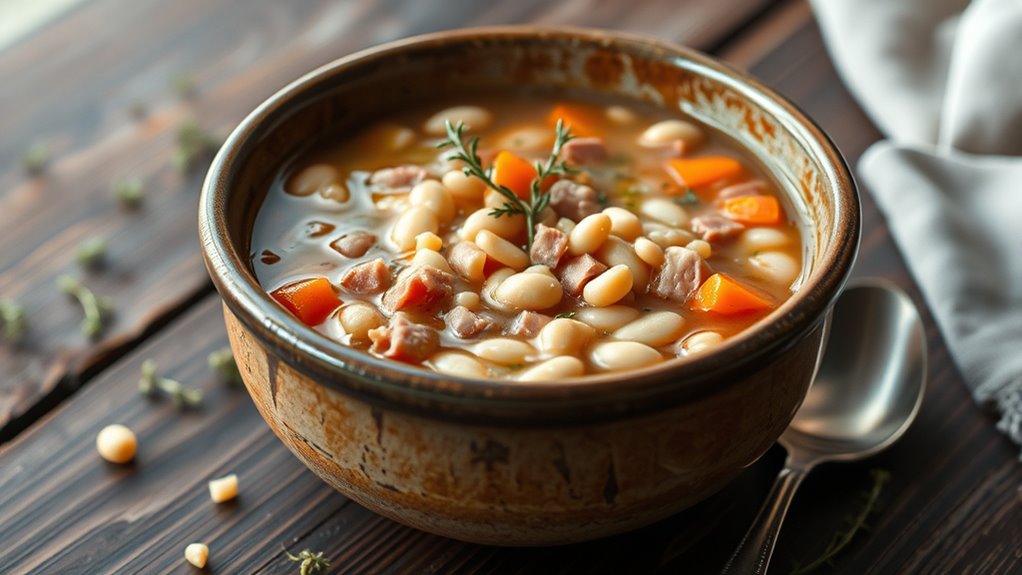

You can easily turn leftover ham and canned or dried beans into a delicious one-pot soup. Start by sautéing diced onions, carrots, and celery in a bit of oil until tender, then add garlic and cook for another minute. Pour in broth, add your beans and chopped ham, then simmer until flavors meld, mashing some beans for added thickness if you like. Use herbs like thyme or bay leaves for extra flavor. Continue with simple techniques to create a hearty, satisfying meal that’s quick to prepare.
Key Takeaways
- Use sautéed aromatics, leftover ham, beans, and vegetables in a single pot for a flavorful, hearty soup.
- Incorporate broth and seasonings, then simmer to develop rich flavors and tenderize ingredients.
- Adjust thickness by mashing some beans or adding potatoes for added texture.
- Customize with ingredient substitutions like vegetable broth or spinach for variety.
- This one-pot method ensures minimal cleanup and quick, satisfying meals with leftovers.
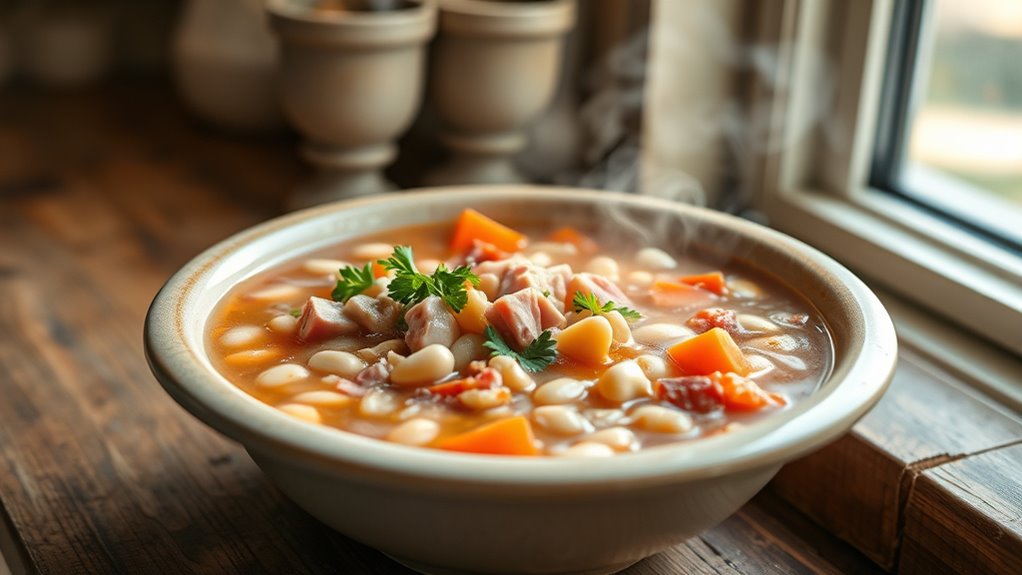
Have you ever wished for a delicious meal that’s easy to prepare and requires minimal cleanup? If so, leftover ham and bean soup is your answer. It’s the perfect one-pot wonder that combines hearty ingredients with simple cooking techniques, making your dinner both satisfying and stress-free. This dish is incredibly versatile, allowing you to customize it with ingredient substitutions based on what you have on hand or your flavor preferences.
To start, you’ll want to gather your ingredients: leftover ham, dried beans or canned beans, vegetables like onions, carrots, and celery, garlic, broth, and seasonings. The beauty of this recipe lies in its flexibility; if you don’t have certain vegetables, you can swap in others like potatoes or spinach. For the beans, canned ones cut down on prep time, but if you prefer dried beans, soak them overnight for quicker cooking. When it comes to cooking techniques, sautéing the aromatics first helps release their flavors, creating a rich base for your soup. You can use a little oil or butter to soften the onions, carrots, and celery until tender. Then, add garlic and cook for another minute until fragrant.
Gather ingredients like ham, beans, vegetables, garlic, broth, and seasonings for a flexible, flavorful soup base.
Next, pour in your broth and bring it to a boil. Once boiling, add your beans and ham, then reduce the heat to let everything simmer. This slow simmer allows the flavors to meld beautifully and the beans to become tender. If you’re in a hurry, canned beans only need about 10-15 minutes of simmering to heat through, but dried beans might need longer. During cooking, taste and adjust seasonings, adding salt, pepper, or herbs like thyme or bay leaves. If you prefer a thicker soup, mash some of the beans gently with the back of your spoon. You can also incorporate ingredient substitutions here, like using vegetable broth for a vegetarian version, or adding diced potatoes for extra heartiness.
Once everything is heated and seasoned to your liking, it’s ready to serve. This one-pot dish not only saves you cleanup time but also allows for endless variations. With just a few simple steps, you turn leftover ham into a comforting, flavorful meal. The key is utilizing basic cooking techniques—sautéing, simmering, and mashing—that bring out the best in your ingredients. Plus, the flexibility in ingredient substitutions means you can adapt this recipe to whatever’s in your pantry, making it a go-to when you’re pressed for time but craving something homemade and wholesome.

LIANYU 1QT Saucepan with Lid, 1 Quart Stainless Steel Saucepan, Small Pot Milk Soup Pan for Home Kitchen Restaurant, Long Heatproof Handle, Dishwasher Safe
Healthy material, 1 quart saucepan is made of superior 18/10 stainless steel, pure stainless steel saucepan without harmful…
As an affiliate, we earn on qualifying purchases.
As an affiliate, we earn on qualifying purchases.
Frequently Asked Questions
Can I Substitute Dried Beans for Canned Beans?
Yes, you can substitute dried beans for canned beans. Just soak the dried beans overnight or for at least 6 hours to soften them, which helps reduce cooking time. Be sure to flavor the dried beans during soaking with herbs or garlic to enhance their taste. After soaking, drain and add them to your soup, adjusting the cooking time as dried beans typically take longer to become tender.
How Long Does Leftover Ham Last in the Fridge?
You should consume leftover ham within 3 to 4 days when stored properly in the fridge. For ham storage, keep it in an airtight container or wrap it tightly to prevent contamination. This guarantees refrigerator safety and keeps it fresh. Always check for any signs of spoilage, like a sour smell or slimy texture, before eating. When in doubt, it’s safest to discard leftover ham to avoid foodborne illnesses.
Can I Freeze the Soup for Later?
Yes, you can freeze the soup for later. Follow proper freezing guidelines to guarantee quality and safety. Let the soup cool completely before transferring it to airtight containers or freezer bags, leaving some space for expansion. Label and date them for easy identification. For best results, consume within 2-3 months. Storage tips like removing excess air and avoiding repeated freezing will help preserve flavor and texture.
What Are Some Vegetarian Alternatives?
Imagine turning a blank canvas into a masterpiece—your vegetarian soup can do the same. Swap out ham for plant-based proteins like tofu, tempeh, or lentils. Use vegetable broth options such as mushroom or seasoned vegetable stock to enrich flavors. These choices create a hearty, satisfying dish without meat, allowing your creativity to shine while nourishing your body with wholesome, plant-powered ingredients.
How Do I Adjust Seasoning for Different Ham Types?
To adjust seasoning for different ham types, taste the ham first to gauge its flavor intensity. For milder hams, add more salt, pepper, or smoked paprika to enhance the ham flavor, balancing the seasoning with herbs like thyme or bay leaves. If your ham is saltier or more intensely flavored, reduce added salt and spices. Always taste as you go to maintain the perfect seasoning balance for your soup.
ham and bean soup ingredients
As an affiliate, we earn on qualifying purchases.
As an affiliate, we earn on qualifying purchases.
Conclusion
So, next time you have leftover ham and beans, remember that making a hearty soup is both simple and satisfying. One-pot meals like this not only save time and clean-up but also bring comforting flavors to your table. Trust the theory that homemade, cozy dishes boost your mood and nourish your body. Embrace your leftovers, experiment freely, and enjoy the delicious, budget-friendly meal you create with just a few ingredients.

Campbell's Slow Kettle Style Southwest-Style Chicken Chili with Beans and White Meat Chicken, 15.7 oz Microwavable Bowl
Chef-Crafted Chicken Chili: Savor the authentic flavors of slow-cooked ingredients like white meat chicken raised without antibiotics, corn,…
As an affiliate, we earn on qualifying purchases.
As an affiliate, we earn on qualifying purchases.
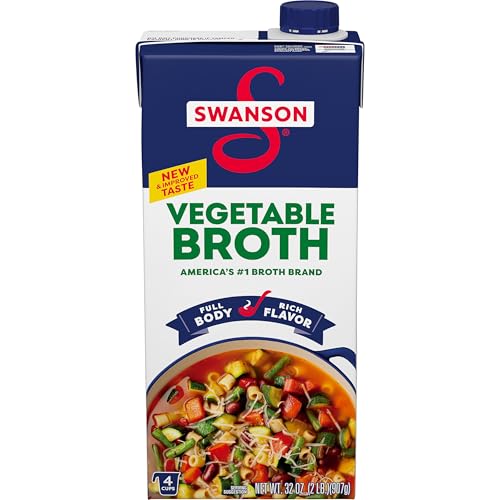
SWANSON S Vegetable Broth, 32 oz Carton
Swanson Vegetable Broth is made with quality ingredients for a rich homemade taste
As an affiliate, we earn on qualifying purchases.
As an affiliate, we earn on qualifying purchases.