
TL;DR

Get kitchen staples and gadgets delivered free with Prime
- Fast, free delivery on millions of items
- Prime Video, Amazon Music and more included
- Member-only deals all year
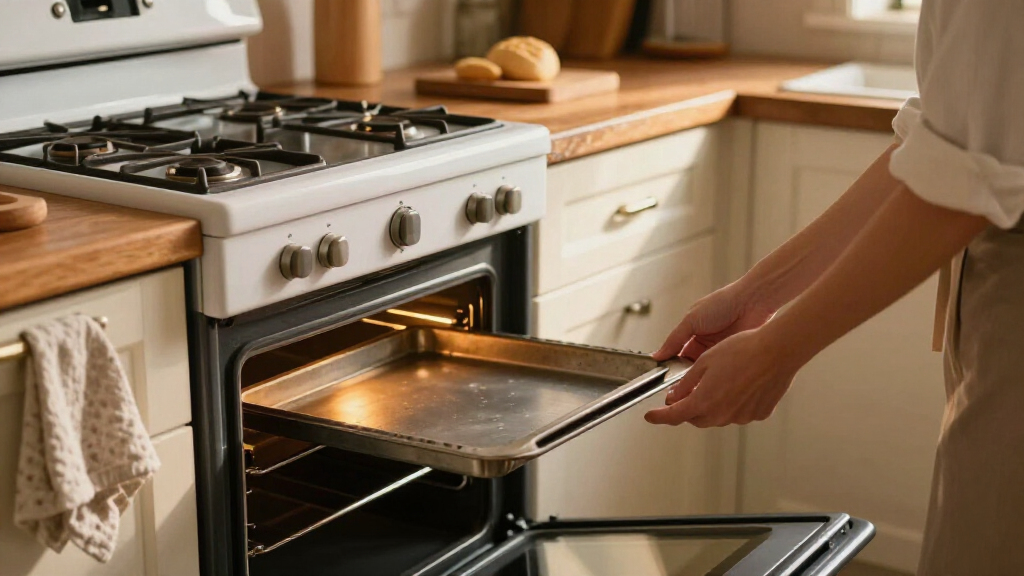
Storing baking sheets and pans inside the oven when not in use can restrict airflow, leading to uneven cooking and increased energy consumption. Experts warn that forgetting items in the oven before turning it on poses serious fire risks and accelerates appliance wear. A reusable oven liner is recommended as the only safe item to leave on the oven floor.
Storing sheet pans and baking trays inside the oven when it is not in use can significantly degrade appliance performance and increase household energy costs, according to appliance experts. While kitchen space constraints often tempt homeowners to use the oven as a makeshift storage unit, leaving items inside restricts airflow and heat circulation, leading to uneven cooking and potential mechanical failure. If you are looking to organize your best sheet pans properly, consider dedicated storage solutions instead. The primary risk, however, is forgetting to remove items before activating the oven, which can cause non-oven-safe materials to melt or ignite.
According to Jade Golding-Gault, an appliance expert at AO.com, leaving baking trays or pans inside the oven during operation prevents heat from circulating efficiently. This obstruction forces the appliance to work harder to maintain the desired temperature, resulting in inconsistent cooking results. For instance, a large pan on the oven floor can block the current from circulating in fan-assisted models, while a tray on the lowest shelf may absorb excessive heat in conventional settings.
The financial impact of this habit is measurable. Data from Go Compare indicates that a 2,000W electric oven costs approximately 53p per hour to operate. If stored items cause the oven to run an extra 10 minutes per hour, this adds roughly £30 to annual energy bills. Over time, the increased strain on heating elements and fan systems accelerates wear and tear, raising the likelihood of expensive repairs or premature appliance replacement.
Beyond efficiency and cost, there are direct safety hazards. Golding-Gault notes that repeatedly heating cookware unintentionally can cause discoloration or degradation of the pans themselves. More critically, if non-oven-safe items such as plastic-handled tools or food packaging are left inside, they can melt or catch fire. The expert emphasizes that while the oven is a convenient storage spot, it is not designed for long-term storage of kitchenware.
Financial and Safety Implications for Homeowners
This guidance matters because it addresses a common household habit with tangible financial and safety consequences. With many households actively monitoring energy spending, the cumulative cost of inefficient oven use is significant. The potential for fire hazards from forgotten items elevates this from a minor inconvenience to a critical safety issue. Furthermore, extending the lifespan of major appliances by preventing unnecessary wear aligns with broader consumer interests in reducing waste and maintenance costs.
As an affiliate, we earn on qualifying purchases.
Common Kitchen Storage Misconceptions
Kitchen space is often limited, leading many to utilize the empty cavity of a cold oven for storing bulky items like sheet pans. This practice is particularly common among those who believe that because baking trays are designed to withstand high temperatures, they are safe to leave in the appliance. However, Good Housekeeping reports that this convenience comes at the cost of appliance efficiency. The misconception that ‘what’s the harm?’ overlooks the mechanical complexities of modern ovens, which rely on precise airflow patterns that stored items disrupt.
“If items, such as baking trays or pans, are left inside the oven when it’s in use, they can restrict airflow and prevent heat from circulating as efficiently around the space.”
— Jade Golding-Gault, appliance expert at AO.com
Unknowns Regarding Specific Appliance Models
While general advice is clear, the exact threshold for how much airflow obstruction causes measurable damage may vary by oven model and manufacturer. It is not yet clear if certain high-end or specialized ovens have sensors that detect obstructions and adjust power automatically, potentially mitigating some energy loss. Additionally, the long-term structural impact on specific materials of modern non-stick coatings when subjected to repeated, unintentional heating cycles is not fully detailed in current consumer guidance.
Recommended Alternatives for Oven Floor Protection
Experts recommend using a reusable oven liner as the only safe item to leave on the oven floor. These liners catch spills and splatters, simplifying cleanup without interfering with airflow. Homeowners should verify that the liner is compatible with their specific oven model and replace it every six months or upon seeing signs of warping. For sheet pans, the next step is to declutter kitchen cabinets or install vertical organizers to provide a permanent home for bulky bakeware, ensuring the oven remains empty and efficient.
Key Questions
Does leaving a baking sheet in the oven really increase my energy bill?
Yes, according to estimates from Go Compare, if stored items cause your oven to run an extra 10 minutes per hour, it can add approximately £30 to your annual energy bill. The oven must work harder to circulate heat around the obstruction, consuming more electricity or gas.
Is it safe to leave a baking tray on the bottom of the oven to catch drips?
Experts advise against this. While it protects the floor from spills, it blocks airflow and can cause uneven cooking. Instead, use a reusable oven liner designed for this purpose, which is safer and easier to clean.
What is the biggest risk of storing items in the oven?
The most significant risk is forgetting to remove the items before turning the oven on. This can lead to non-oven-safe materials melting, releasing toxic fumes, or causing a fire hazard. Even oven-safe items can degrade if heated unintentionally.
How often should I replace my oven liner?
Most reusable oven liners should be replaced every six months, or sooner if they show signs of warping, damage, or excessive buildup. Always check the manufacturer’s guidelines for your specific product.
Source: rss
NFL season / tailgating Picks
team gear
As an affiliate, we earn on qualifying purchases.