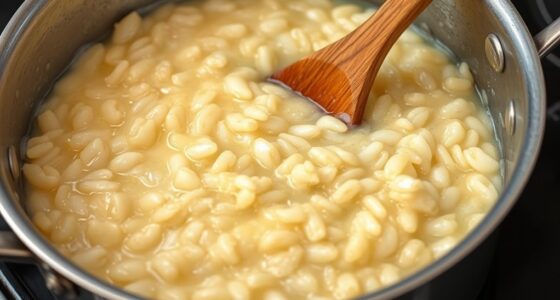
🔍 Read the full analysis: Risotto Alla Milanese: Saffron, Patience, And The Perfect Mantecatura on Mad Tasting

Get kitchen staples and gadgets delivered free with Prime
- Fast, free delivery on millions of items
- Prime Video, Amazon Music and more included
- Member-only deals all year
TL;DR
Risotto alla Milanese remains Milan’s iconic dish, crafted with specific rice varieties, saffron infusion, and precise technique. This report confirms traditional methods that deliver its signature glossy texture and flavor. The process emphasizes patience and skill, with some details still under discussion among chefs.
Traditional Risotto alla Milanese remains Milan’s signature dish, prepared with specific short-grain rice, saffron, and a meticulous technique that emphasizes patience and skill. Recent culinary discussions confirm that the dish’s authenticity hinges on precise steps, especially the mantecatura, which creates its characteristic glossy texture. Experts emphasize that this dish has survived centuries of change because of its strict adherence to tradition, despite modern shortcuts and fads.
The core of Risotto alla Milanese involves using Carnaroli, Arborio, or Vialone Nano rice, which are prized for their high surface starch content and ability to hold a firm core. The rice is toasted in butter or oil in a process called tostatura, which develops flavor and prevents overcooking. Saffron, the dish’s defining ingredient, must be steeped in warm stock or water for at least 15-20 minutes before adding to the rice, ensuring even distribution of aroma and color. The cooking process involves gradually adding hot stock over approximately 18–20 minutes, stirring consistently to release surface starch. The final step, mantecatura, involves off-the-heat emulsification with cold butter and Parmigiano-Reggiano, creating a glossy, flowing consistency known as all’onda. This technique is essential; rushing or using shortcuts like cream or quick-cooking methods results in a dish that fails to meet traditional standards.
Recent culinary guides and Milanese chefs confirm that the dish’s authenticity depends on patience, proper rice choice, saffron handling, and careful execution of the mantecatura. The dish is traditionally served alongside ossobuco alla Milanese but is equally appreciated on its own as a simple, comforting meal.
Risotto alla Milanese: Saffron, Patience, and the Perfect Mantecatura
Milan’s iconic dish survives centuries of change through strict adherence to tradition — specific short-grain rice, a slow saffron infusion, and an off-the-heat mantecatura that delivers the signature glossy, flowing texture known as all’onda. Modern shortcuts and fads have not displaced the manual rhythm.
Confirmed by Milanese chefs & recent culinary literature
Why Traditional Techniques Matter for Authentic Risotto
Maintaining the traditional method preserves the dish’s cultural identity and guarantees its signature texture and flavor. The emphasis on specific rice varieties, saffron infusion, and the off-the-heat mantecatura is what separates Risotto alla Milanese from other rice dishes like pilaf or paella. Respecting these steps prevents disappointment and protects a culinary heritage that has endured for over six centuries — sustaining Milan’s gastronomic reputation worldwide.
Carnaroli
The preferred choice: forgiving nature and high surface starch content, with a firm core that holds through the slow stock addition.
Arborio
Widely available and acceptable if prepared carefully — its starch release is generous, demanding attentive stirring.
Vialone Nano
A native Po Valley variety prized by purists; smaller grain, excellent absorption, and a firm bite when handled with care.
The Five Stages from Pan to Plate
Each stage builds on the last. Rushing any of them — or substituting cream for technique — produces a dish that fails traditional standards.
Tostatura
Rice is toasted in butter or oil, developing flavor and preventing overcooking.
Saffron Infusion
Threads steep in warm stock or water for even aroma and golden color distribution.
Slow Stock Addition
Hot stock added gradually, stirring consistently to release surface starch.
Mantecatura
Emulsification with cold butter and Parmigiano-Reggiano creates the glossy finish.
All’Onda
A glossy, flowing consistency — served alongside ossobuco or enjoyed on its own.
Where the Minutes Go
Approximate breakdown of a traditional preparation, from steeping the saffron to the final off-the-heat emulsification.
| Practice | Traditional Standard | Verdict |
|---|---|---|
| Carnaroli / Arborio / Vialone Nano rice | High surface starch, firm core | ✓ Required |
| Tostatura before stock | Toasts in butter or oil for flavor | ✓ Required |
| Saffron steeped 15–20 min | Even color and aroma, no patches | ✓ Required |
| Hot stock added gradually | 18–20 minutes, consistent stirring | ✓ Required |
| Off-heat mantecatura | Cold butter + Parmigiano-Reggiano | ✓ Essential |
| Adding cream | Creaminess must come from starch only | ✗ Rejected |
| Quick-cooking / pressure methods | Fails all’onda texture | ✗ Rejected |
| Splash of wine before stock | Debated among chefs | ~ Debated |
| Precise toasting temperature | Adjusted by preference & region | ~ Debated |
What Chefs Still Debate
The core techniques are settled, but fine details remain under discussion — and some chefs experiment with careful adaptations to make the dish more approachable without compromising quality.
Optimal saffron quantity
The ideal amount of saffron varies by chef and palate; infusion timing is likewise adjusted based on individual preference and regional variation.
Wine before the stock?
Whether a small splash of wine belongs in the pan before the stock is added remains a point of genuine disagreement among Milanese professionals.
Can appliances replicate tradition?
Ongoing discussion about modern kitchen tools — though most experts agree the manual rhythm of hand and spoon remains superior.
Preservation with flexibility
Workshops and culinary courses in Milan still teach the traditional method, while some chefs test controlled-temperature cooking to welcome home cooks.
Practical Answers for the Home Cook
What rice should I use for authentic Risotto alla Milanese?
Use Carnaroli, Arborio, or Vialone Nano rice. Carnaroli is preferred for its forgiving nature and high starch content, but Arborio and Vialone Nano are also acceptable if prepared carefully.
How should I handle saffron to maximize flavor?
Steep saffron threads in warm stock or water for at least 15–20 minutes before adding to the rice. This ensures even color and aroma distribution, preventing patches of flavor or dullness.
Why is the mantecatura step so important?
The off-the-heat emulsification with cold butter and Parmigiano-Reggiano creates the glossy, flowing texture called all’onda. Rushing or skipping this step results in a less creamy, less authentic dish.
Can I substitute cream or shortcuts for the traditional method?
Traditional Milanese chefs strongly advise against cream or shortcuts. The signature creaminess comes solely from starch, butter, and cheese, combined with patience and technique.
How long does the entire cooking process take?
From the first addition of stock to serving, the process typically takes about 18–20 minutes, with careful attention to timing and stirring throughout.
Why Traditional Techniques Matter for Authentic Risotto
Maintaining the traditional method of making Risotto alla Milanese preserves its cultural identity and ensures the dish’s signature texture and flavor are achieved. The emphasis on specific rice varieties, saffron infusion, and the off-the-heat mantecatura distinguishes it from other rice dishes like pilaf or paella. For home cooks and chefs alike, understanding and respecting these steps prevents disappointment and preserves a culinary heritage that has endured for over six centuries. This adherence to tradition also influences modern interpretations and helps sustain Milan’s gastronomic reputation worldwide.
As an affiliate, we earn on qualifying purchases.
Historical Roots and Modern Confirmations of Milanese Risotto
Risotto alla Milanese has been a staple of Milanese cuisine for over 600 years, originating in the Po Valley where short-grain rice varieties like Carnaroli, Arborio, and Vialone Nano are native. Historically, the dish was associated with Milan’s aristocratic tables but became accessible to everyday families over time. Its preparation has remained remarkably consistent, emphasizing patience and technique. Recent culinary literature and interviews with Milanese chefs confirm that the traditional process — including saffron infusion, slow stock addition, and off-heat mantecatura — remains the gold standard. Despite the proliferation of shortcuts and modern variations, purists insist that true Risotto alla Milanese cannot be rushed or altered without losing its essence.
Current Debates and Unconfirmed Aspects of Preparation
While the core techniques are well established, some details remain debated among chefs, such as the optimal saffron quantity and whether a small amount of wine should be added before the stock. Additionally, the exact temperature for toasting and the ideal timing for saffron infusion are sometimes adjusted based on individual preferences or regional variations. There is also ongoing discussion about whether modern kitchen appliances can replicate the traditional slow-cooked process without sacrificing quality, though most experts agree that the manual rhythm remains superior.
Future of Milanese Risotto: Preservation and Adaptation
Culinary experts and traditionalists agree that preserving the authentic technique is crucial for maintaining Risotto alla Milanese’s identity. However, some chefs are experimenting with small adaptations, such as controlled temperature cooking or alternative saffron infusion methods, to make the process more accessible without compromising quality. Workshops and culinary courses in Milan continue to teach the traditional method, emphasizing patience and respect for the dish’s history. The ongoing debate about minor variations suggests that the dish’s core principles will remain unchanged, even as chefs seek ways to make it more approachable for home cooks.
Key Questions
What rice should I use for authentic Risotto alla Milanese?
Use Carnaroli, Arborio, or Vialone Nano rice. Carnaroli is preferred for its forgiving nature and high starch content, but Arborio and Vialone Nano are also acceptable if prepared carefully.
How should I handle saffron to maximize flavor?
Steep saffron threads in warm stock or water for at least 15–20 minutes before adding to the rice. This ensures even color and aroma distribution, preventing patches of flavor or dullness.
Why is the mantecatura step so important?
The off-the-heat emulsification with cold butter and Parmigiano-Reggiano creates the glossy, flowing texture called all’onda. Rushing this step or skipping it results in a less creamy, less authentic dish.
Can I substitute cream or shortcuts for the traditional method?
Traditional Milanese chefs strongly advise against using cream or shortcuts. The signature creaminess comes solely from starch, butter, and cheese, combined with patience and technique.
How long does the entire cooking process take?
The process from the first addition of stock to serving typically takes about 18–20 minutes, with careful attention to timing and stirring throughout.
Source: Mad Tasting
NFL season / tailgating Picks
team gear
As an affiliate, we earn on qualifying purchases.