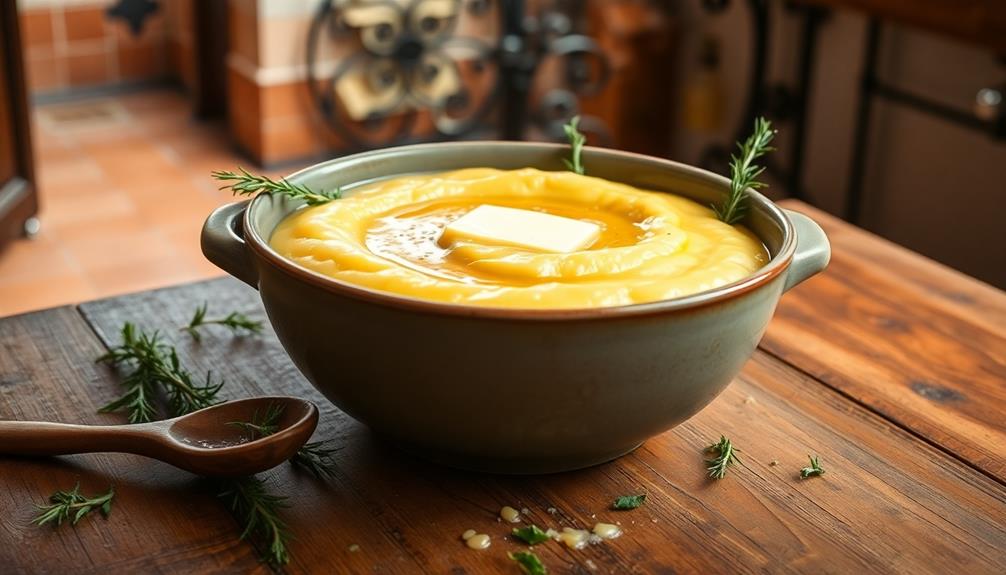
🔍 Read the full analysis: Fegato Alla Veneziana: Venice's Liver And Onions, Made Gentle on Mad Tasting

Get kitchen staples and gadgets delivered free with Prime
- Fast, free delivery on millions of items
- Prime Video, Amazon Music and more included
- Member-only deals all year
TL;DR
Mad Tasting describes fegato alla Veneziana as a Venetian and Veneto dish of thinly sliced liver served with slowly softened onions, often alongside polenta. Its practical guidance is to cook the onions first, sear the liver separately in an uncrowded pan, and combine them just before serving; the source notes that recipes vary and gives no single fixed formula.
Mad Tasting has published a guide to fegato alla Veneziana, a Venetian dish pairing thinly sliced liver with slowly softened onions. The guide recommends cooking the onions first, searing the liver briefly in batches, then combining the two just before serving—a method that gives the ingredients different cooking times and is intended to help prevent tough liver.
The dish’s name means “Venetian-style liver”: “fegato” means liver, while “alla Veneziana” refers to the Venetian style. The source describes the pairing as a balance of the liver’s savory, mineral flavor and the sweetness of softened onions. It recommends serving the dish hot, traditionally with polenta, though boiled potatoes or crusty bread are also suggested.
For a milder first attempt, the guide suggests calf’s liver, which it describes as generally more delicate and tender than beef liver. It advises asking a butcher for fresh, thinly sliced liver with the membranes removed. Beef liver can also be used, but the source says its stronger flavor and different texture may be more prominent. Soaking liver in milk is presented as an optional step, not a requirement; if used, the liver should stay chilled, then be drained and dried thoroughly.
The cooking sequence is central to the method. Slice onions thinly and soften them over medium-low heat in butter, olive oil or both, until translucent and lightly golden. Pat the liver dry, season it and cook it in a hot pan in a single layer, working in batches if necessary. Add the onions back at the end and serve promptly, since residual heat keeps cooking the liver. The guide says some cooks add white wine or vinegar and others keep the ingredient list simple, with salt, pepper and perhaps parsley.
Fegato alla Veneziana Made gentle
Thinly sliced liver meets slowly softened onions in a Venetian dish. The key to tender results is cooking each at its own pace.
A method built for tenderness
Onions soften slowly; thin liver cooks quickly. Keep them separate until serving.
Cook thin slices over medium-low heat until translucent and lightly golden.
Pat dry, season, and cook in a hot, uncrowded pan, in batches if needed.
Add the onions back just before serving; residual heat keeps cooking the liver.
Choose your ingredients
The sweet onion and savory liver pairing is central; the exact recipe can vary.
Calf’s liver
Suggested for a first attempt; the guide describes it as generally more delicate and tender.
Beef liver
It works too, though its flavor may be stronger and its texture different.
Polenta, potatoes, or bread
Polenta is traditional; boiled potatoes and crusty bread are also suggested.
Keep safety in the recipe
Use careful handling alongside the cooking method.
- Keep raw liver refrigerated and separate from ready-to-eat foods.
- Wash hands and surfaces after handling raw liver.
- Use a food thermometer and follow current local guidance for safe internal temperatures.
- Pregnant people or those who may become pregnant are generally advised to avoid liver and liver products.
A Method Built Around Tender Liver
The guide’s main practical point is that onions and liver need different cooking times. Onions take time to soften and develop sweetness; thin liver slices cook quickly. Cooking them separately lets the cook finish the onions without leaving the liver in the pan long enough to become tough. Working in batches also reduces crowding, which the source says can cause the liver to release moisture and steam rather than sear.
That distinction matters for home cooks unfamiliar with liver or put off by a strong flavor or chewy texture. The onions provide sweetness alongside the liver’s savory richness, while polenta or another starch can catch the juices and make the dish a meal. The source frames this as a practical recipe guide, not as evidence that every Venetian kitchen follows one standardized recipe.
The guide also includes food-safety cautions. It advises keeping raw liver refrigerated, washing hands and surfaces after handling it, and preventing contact with ready-to-eat foods. It recommends using a food thermometer and following current guidance from the local food-safety authority for safe internal cooking temperatures; it does not specify a temperature itself. Cooked liver should not remain at room temperature for more than two hours, according to the source.
Products Worth Considering

Instant Pot Pro 6-Quart 10-in-1 Electric Pressure Cooker, Black

Cuisinart 7-in-1 Air Fryer Toaster Oven, 1800W, TOA-55

Breville Barista Express Espresso Machine with Built-In Grinder, Brushed Stainless Steel
As an affiliate, we earn on qualifying purchases.
Venetian Roots, Flexible Recipes
Fegato alla Veneziana is associated with Venice and the wider Veneto, where liver and onions are served together, often with a simple starchy accompaniment. The source describes the contrast between sweet onions and rich liver as the defining idea, rather than a strict list of ingredients or one unchanging technique.
Recipes may use butter, olive oil or a combination, and some include a splash of white wine or vinegar. Parsley can be added at the end. The guide recommends tasting the onions before adding acidity, since the dish may need only salt, pepper and parsley. Its suggested variations—polenta, potatoes or bread, and different cooking fats—are presented as options that preserve the central pairing.
For diners who do not eat liver, the source suggests setting aside some cooked onions before they are combined with it and serving those onions over polenta or potatoes. It also notes that liver contains iron and is high in vitamin A. People who are pregnant or may become pregnant are generally advised to avoid liver and liver products, the guide says; readers with medical concerns should follow advice from a healthcare professional.
Recipe Variations and Safety Details
The source does not establish one definitive family recipe, provide a publication date, or identify a particular chef or culinary authority behind the dish. Its account is a practical guide and describes common options rather than documenting how widely each version is used across Venice or the Veneto. It also does not give exact ingredient quantities, cooking times or a safe internal temperature for liver.
Those details matter because slice thickness, pan heat and local food-safety guidance vary. The guide says to watch texture as well as time and to consult the relevant local authority for safe cooking temperatures. Readers should not treat “briefly” as a substitute for safe handling or temperature guidance.
Use the Guide at the Stove
The source gives readers a cooking sequence rather than announcing a restaurant opening, policy change or other scheduled event. A home cook following it would soften the onions first, keep them warm while preparing the liver, then sear the dried slices in batches and combine them with the onions immediately before serving. The dish is meant to be served hot, with polenta or another suggested accompaniment.
No follow-up publication, event or reporting milestone is identified. For anyone trying the recipe, the next steps are to confirm safe cooking guidance with the local food-safety authority, keep raw liver separate from ready-to-eat food, and account for the source’s pregnancy-related caution about liver products.
Key Questions
What is fegato alla Veneziana?
It is a Venetian-style liver dish made with thinly sliced liver and softened onions. The guide suggests polenta as a traditional accompaniment, with potatoes or crusty bread as alternatives.
How does the guide aim to keep the liver tender?
It recommends cooking the onions slowly first, then searing the liver briefly in a hot, uncrowded pan. Combine them at the end and serve promptly, since the liver continues cooking from residual heat.
Can beef liver be used instead of calf’s liver?
Yes. The source says beef liver can work, though it may have a stronger flavor and different texture. It recommends thin slices and a generous bed of onions.
Is soaking liver in milk required?
No. The guide describes milk soaking as optional and says it does not replace fresh sourcing or careful cooking. If you soak the liver, keep it chilled, then drain and pat it dry.
What food-safety precautions does the guide give?
Keep raw liver refrigerated, wash hands and surfaces after handling it, and prevent contact with ready-to-eat foods. Use a food thermometer and follow current local guidance for safe internal temperatures. The source also says not to leave cooked liver at room temperature for more than two hours.
Source: Mad Tasting