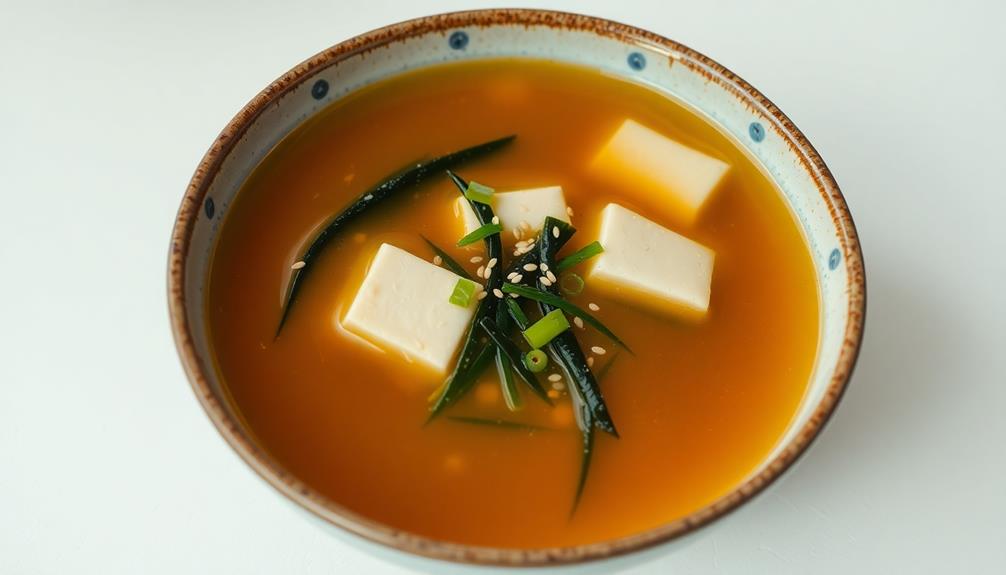
Mexican pozole is a vibrant, comforting soup celebrated worldwide for its bold flavors and regional variations. You can customize it with toppings like shredded lettuce, radishes, onions, lime, and oregano, which reflect local traditions and personal preferences. Regional differences, from spicy red to milder white versions, showcase Mexico’s culinary diversity. As you explore these flavorful bowls, you’ll discover how each element tells a story—learn more to uncover the rich cultural roots behind this beloved dish.
Key Takeaways
- Pozole is a traditional Mexican soup with regional variations, featuring different colors, meats, and chili profiles.
- Common toppings include shredded lettuce, radishes, onions, lime, and oregano, customizable to regional and personal preferences.
- The dish’s ingredients, such as hominy, meats, and herbs, reflect Mexico’s diverse culinary heritage and local produce.
- Pozole is often served during celebrations, symbolizing community, cultural pride, and shared history.
- Exploring regional styles reveals unique flavors, ingredients, and toppings that celebrate Mexico’s rich culinary diversity.

Have you ever wondered what makes Mexican pozole a beloved comfort food across the country? It’s more than just a hearty soup; it’s a dish rich in cultural significance that brings people together during celebrations, family gatherings, and holidays. Pozole’s history dates back centuries, rooted in indigenous traditions, and over time, it’s evolved with regional variations that reflect local ingredients and tastes. Whether you’re sampling the red, green, or white versions, each one tells a story about its place of origin, offering a glimpse into Mexico’s diverse culinary landscape. These regional differences influence everything from the choice of meat—pork, chicken, or even turkey—to the types of chilies and herbs used, giving each version a unique flavor profile. No matter where you try it, pozole serves as a symbol of community, shared history, and cultural pride.
You’ll find that the cultural significance of pozole extends beyond its ingredients. It’s traditionally prepared for special occasions like Independence Day, Christmas, and other celebrations, serving as a centerpiece that unites family and friends. Cooking pozole is often a communal activity, with generations passing down recipes and techniques, reinforcing bonds and cultural identity. When you dig into a bowl of pozole, you’re tasting more than just savory broth and tender hominy—you’re experiencing a dish that embodies Mexican heritage and collective memory. The toppings you choose further personalize the experience, allowing you to add fresh elements that enhance flavor and texture. Classic garnishes like shredded lettuce, radishes, onions, lime, and oregano transform each bowl into a customized masterpiece, making every serving a reflection of individual taste and regional customs.
The regional variations of pozole also influence the toppings and accompaniments. For example, in the north, people might prefer a spicier, more chili-forward version, while in other regions, milder flavors are dominant. Some areas love adding crunchy tostadas or fresh cilantro, whereas others favor a simpler approach with just a squeeze of lime. These differences showcase Mexico’s culinary diversity and highlight how local ingredients and traditions shape the dish. When you explore different versions, you’ll notice that each variation offers a distinct taste experience rooted in local culture. Additionally, understanding the regional ingredients used in each type of pozole can deepen your appreciation for its rich heritage. This diversity keeps the dish lively and exciting, inviting you to discover new flavors and textures with every spoonful. Ultimately, pozole isn’t just about nourishing your body; it’s a celebration of Mexican culture, history, and regional identity, all wrapped up in a comforting bowl.
Top picks for "global soup tour"
Open Amazon search results for this keyword.
As an affiliate, we earn on qualifying purchases.
Frequently Asked Questions
What Are the Origins of Mexican Pozole?
You might find it fascinating that Mexican pozole has ancient origins, dating back to pre-Hispanic times. Originally, indigenous peoples used maize and ingredients like chili and meat for their cultural significance and during traditional festivals. Over centuries, it evolved into a beloved dish symbolizing community and celebration. Today, you’ll see pozole at festivities, reflecting its deep roots in Mexican history and its role in uniting people during special occasions.
Can Pozole Be Made Vegetarian or Vegan?
Imagine a pozole where the meat flees the scene, leaving behind a colorful veggie parade. Yes, you can make pozole vegetarian or vegan by using vegetarian substitutions like mushrooms or jackfruit, and for vegan adaptations, skip animal-based broths entirely. These swaps create a hearty, flavorful soup that celebrates plant power, proving pozole can be just as festive, inclusive, and delicious without a single piece of pork—or cow.
What Are Traditional Regional Variations of Pozole?
You’ll find regional spice and cultural influences shape traditional variations of pozole across Mexico. In Guerrero, you get a red hue from chili guajillo, while Jalisco’s version features a milder flavor with green chilies. More northern areas might add beans or beef, reflecting local tastes. Each region’s unique spices and cultural influences create distinct flavors in this hearty dish, showcasing Mexico’s rich culinary diversity.
How Long Does Homemade Pozole Typically Take to Prepare?
Homemade pozole is like a symphony waiting to be played, with its cooking time usually spanning 2 to 3 hours. You’ll need to soak and cook the hominy, prepare the meat, and simmer everything with spices and seasonings. The preparation steps involve cleaning ingredients, simmering broth, and adding toppings at the end. This patience transforms simple ingredients into a hearty, flavorful dish that’s worth every minute.
Are There Specific Drinks That Pair Well With Pozole?
You should consider beverage pairing options that enhance the rich, savory flavor of pozole. A cold cerveza or a crisp, revitalizing margarita pairs well, balancing the spiciness and hearty taste. If you prefer non-alcoholic options, try a tangy lime agua fresca or a sparkling mineral water with a splash of lime. These drinks serve as a flavor complement, elevating your pozole experience with each sip.
Conclusion
As you savor the rich flavors of Mexican pozole with its vibrant toppings, remember that “variety is the spice of life.” Each bowl offers a unique experience, blending tradition with your personal touch. Embrace the journey of discovering new flavors and customizing your soup. Ultimately, food connects us across cultures and stories—so keep exploring, keep tasting, and let every spoonful remind you that life’s richness lies in its diversity.