
TL;DR
A Good Housekeeping report recommends moving five things away from windowsills where condensation collects: picture frames, plants, books, general clutter and thick curtains that cover the glass. The advice is based on the risk that persistent moisture can damage belongings and encourage mold; the report does not provide a formal study or quantify those risks.
Good Housekeeping has advised homeowners to clear five items from windowsills where winter condensation collects: picture frames, plants, books, general clutter and thick curtains covering the glass. The household guidance says standing moisture can damage possessions and, when airflow is restricted, help create conditions for mold and bacterial growth.

Get kitchen staples and gadgets delivered free with Prime
- Fast, free delivery on millions of items
- Prime Video, Amazon Music and more included
- Member-only deals all year
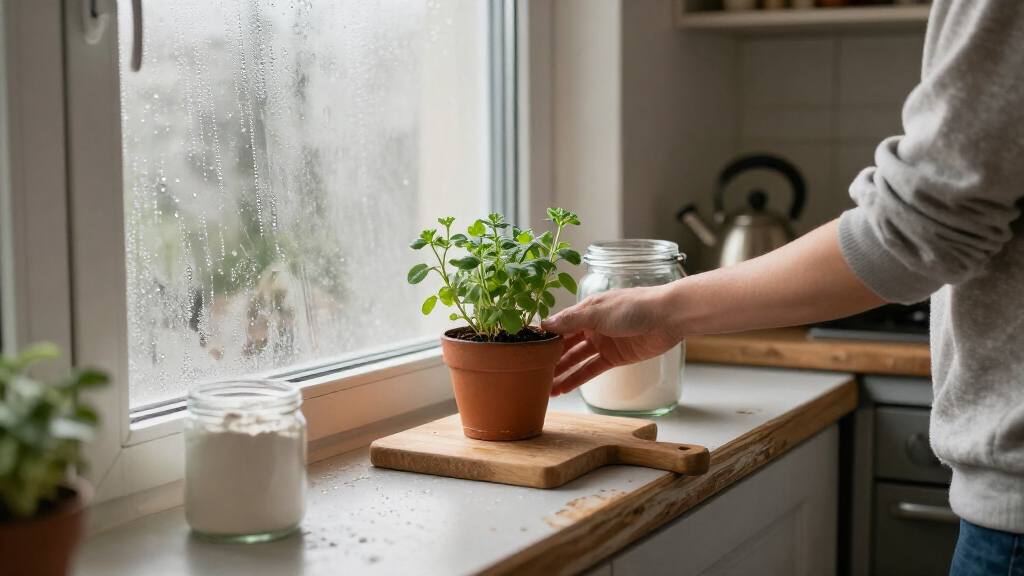
The report explains that condensation forms when warm, humid indoor air meets cold window glass and moisture reaches its dew point. Water can run down the pane and pool on the sill, putting nearby belongings in contact with persistent dampness. The advice is to move vulnerable objects rather than leave them in that wet area.
Photographs and books can be affected in different ways. Moisture may seep through gaps in picture frames and distort a photograph over time; water pooled beneath a frame may also leave the area damp. Books exposed to moisture can develop wavy pages, and the report warns that mold spots and a musty smell may follow. It recommends storing books somewhere dry and cool, away from direct sunlight.
Plants and other sill clutter can also face problems, according to the report. Damp soil may dry more slowly after watering, while leaves touching cold glass may become damaged. Clutter can obstruct airflow and slow drying around the window. Thick curtains can trap moisture against the pane; Good Housekeeping advises opening them during the day and not tucking them onto the sill at night. The report also suggests opening trickle vents, where fitted, for ventilation.
Protecting Belongings From Damp Windows
The advice matters because window condensation is easy to overlook until water has already collected around items stored on the sill. Moving photographs, books and plants out of direct contact with the damp area is a simple precaution that may reduce exposure to moisture. Clearing clutter and keeping curtains away from the glass can also allow air to circulate, helping the window area dry.
The report presents these steps as household guidance, not as a guarantee against mold or damage. Condensation levels and the condition of each window vary, and the source does not quantify how often these problems occur. Still, checking a wet sill and removing items that stay damp can help people spot a recurring moisture problem earlier.
Products Worth Considering

Ninja Foodi 8-Quart DualZone 6-in-1 Air Fryer, Grey (DZ201)

KitchenAid 5.5 Qt Bowl-Lift Stand Mixer – Porcelain White (KSM55SXXX)

Le Creuset Enameled Cast Iron Rectangular Roaster, 5.25 qt., Cerise
As an affiliate, we earn on qualifying purchases.
How Condensation Reaches the Sill
The supplied report links condensation to the difference between indoor air and cold glass: humid air cools at the window and releases moisture. It describes the problem as more likely when temperatures fall and indoor heating is used, but gives no measurements for temperature or humidity and no specific seasonal data.
The advice is attributed to Good Housekeeping and its household guidance. The source identifies Katie as the publication’s Household Advice Editor, whose work covers cleaning and decluttering. The supplied material includes no outside expert comments, research data or independent testing of the five recommendations.
What the Guidance Does Not Measure
The report does not state when it was published, provide measured evidence for the risk to each item, or identify a humidity level at which damage becomes likely. It also does not establish that moving these objects alone will prevent mold, root rot or damage to photographs and books. Those outcomes are described as risks, not as certain results.
It is also unclear how much ventilation is needed in a particular home or whether the condensation reflects a wider moisture issue. The source offers general steps, including opening curtains and available trickle vents, but does not give a diagnostic method for persistent condensation or address repairs to faulty windows.
A Practical Check for Wet Sills
For readers following the report’s advice, the immediate step is to move the five listed categories away from any sill where water gathers, then check whether the glass and surrounding area can dry. Keep curtains open during the day where practical, avoid resting them on the sill at night, and use trickle vents if the window has them.
The source does not announce a scheduled follow-up or a formal next step. If condensation keeps returning or damp and mold appear beyond the sill, the report’s tips alone do not establish the cause; the extent and source of the moisture remain matters for further assessment.
Key Questions
Which items does Good Housekeeping recommend moving?
The report lists picture frames, plants, books, general clutter and thick curtains that cover the window or sit on the sill.
Why move books away from a wet windowsill?
The report says moisture can make pages wavy or distorted and may be followed by mold spots and a musty smell. It recommends a cool, dry place away from direct sunlight.
Do curtains need to be removed?
No. The guidance says to open curtains during the day to allow airflow and avoid tucking them onto the sill at night, where they could trap moisture against the glass.
Does moving these items guarantee mold prevention?
No. The source describes reduced exposure and better airflow as precautions, but it does not claim that these steps will guarantee mold prevention or resolve the cause of persistent condensation.
Source: goodhousekeeping.com