
To keep holiday ingredients fresh, organize your kitchen storage by grouping similar items like spices, canned goods, and baking supplies into clear containers or bins. Label everything clearly and include expiration dates to prevent spoilage. Store spices in airtight jars and keep perishable items in airtight containers or the fridge. Regularly check for expired products and replenish supplies as needed. If you continue exploring, you’ll discover even more tips to maintain peak freshness for your festive cooking.
Key Takeaways
- Store spices in airtight, opaque containers to preserve freshness and prevent exposure to light and moisture.
- Use clear, labeled jars for easy identification and to monitor expiration dates regularly.
- Keep perishable ingredients in the refrigerator or freezer to extend shelf life during the holiday season.
- Organize ingredients by frequency of use to ensure quick access and reduce unnecessary storage time.
- Maintain a cool, dry, and consistent temperature in the pantry to prevent spoilage of holiday ingredients.
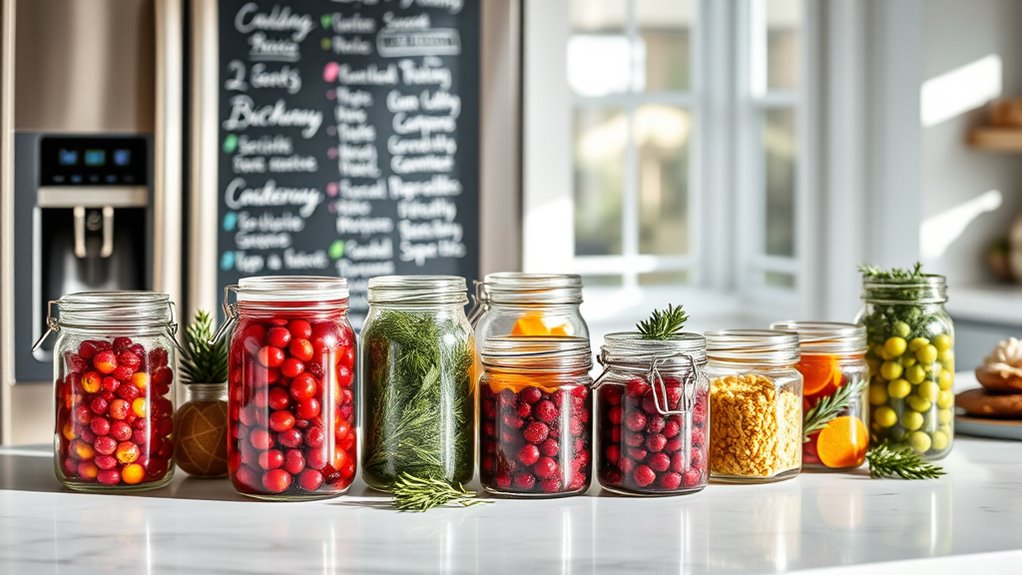
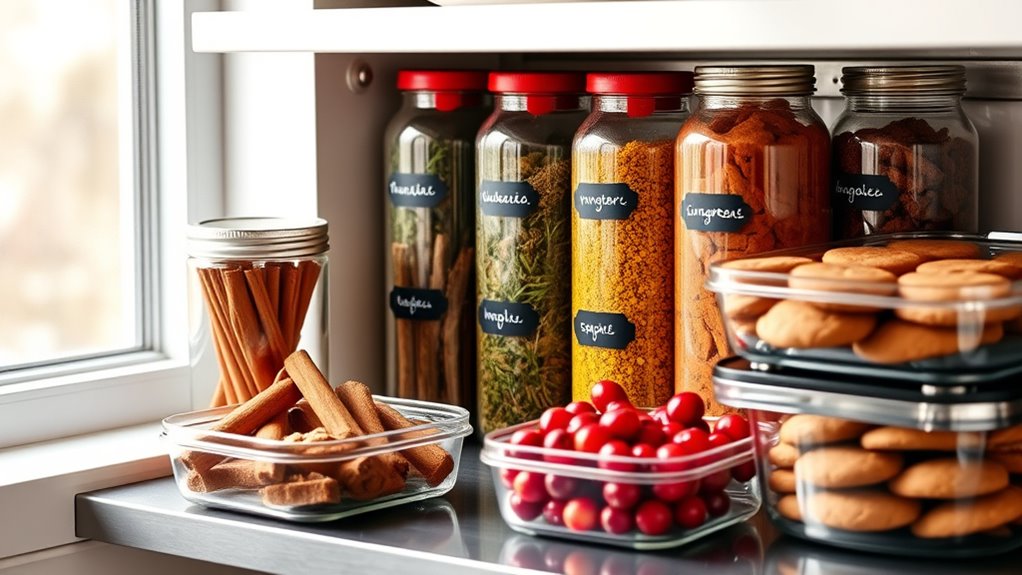
Have you ever struggled to keep your kitchen organized? If so, you’re not alone. Maintaining a tidy space, especially during the busy holiday season, can feel overwhelming. One key to staying organized is effective pantry organization. When your pantry is well-organized, it’s easier to find what you need quickly and prevent ingredients from going stale or expired. Start by sorting your items into clear categories—baking supplies, canned goods, snacks, and spices. Use containers or bins to keep similar items together. Label everything clearly and consistently, so you can locate ingredients without rummaging through clutter. This not only saves time but also helps you monitor what you have, so you can use ingredients before they spoil or lose their flavor.
Spice jar labels are especially important when it comes to pantry organization. During the holidays, you often cook more elaborate meals, and having your spices neatly labeled makes the process smoother. Instead of digging through a jumble of unlabeled jars, you’ll appreciate the clarity of spice jar labels. Consider using uniform jars with clear labels that specify the spice and date of purchase or expiration. This way, you can quickly identify what’s fresh and what needs to be replaced. Proper labeling also prevents the accidental use of expired spices, which can diminish flavor and affect your holiday dishes. If you have a large collection, organize your spice jars by frequency of use or alphabetically, making it even easier to grab what you need. Additionally, breakfast delivery options are expanding with gourmet coffee and artisanal items, making it convenient to start your holiday mornings with quality beverages without leaving home.
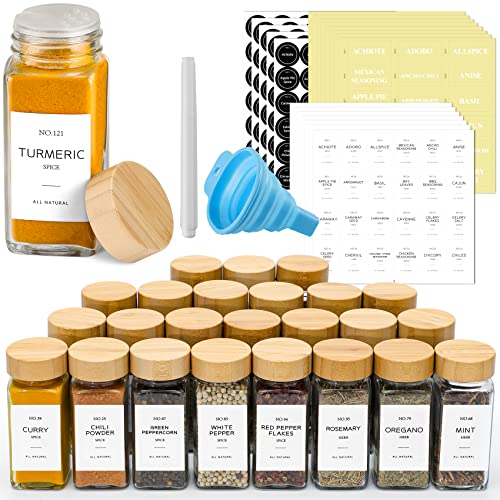
NETANY 24 Pcs Glass Spice Jars with Bamboo Lids, 4 oz Glass Jars with Minimalist Farmhouse Spice Labels Stickers, Collapsible Funnel, Seasoning Storage Bottles for Spice Rack, Cabinet, Drawer
ALL YOU NEED ARE IN ONE PACK: Contains 24 glass square spice jars, 24 shaker lids, 492 labels…
As an affiliate, we earn on qualifying purchases.
As an affiliate, we earn on qualifying purchases.
Frequently Asked Questions
How Long Can Holiday Ingredients Typically Stay Fresh in Storage?
Holiday ingredients typically stay fresh for about one to two weeks if stored properly, but seasonal ingredient lifespan varies. For ideal storage durations, keep root vegetables in a cool, dark place for up to a month, while fresh herbs last about a week in the fridge. Use airtight containers and proper temperatures to maximize freshness, and always check for spoilage before using, ensuring your holiday dishes taste their best.
What Are the Best Containers for Preserving Holiday Flavors?
Imagine your holiday flavors as treasured gifts; the best containers guard them fiercely. You should opt for airtight containers and glass storage options, which lock in freshness and preserve aroma. These containers create a tight seal, preventing air and moisture from sneaking in. Plus, glass storage is non-reactive, keeping flavors pure. Use these containers to guarantee your holiday ingredients stay vibrant, flavorful, and ready whenever you need them.
How Can I Prevent Mold and Spoilage in My Storage Areas?
To prevent mold and spoilage, you should focus on moisture control and airtight packaging. Make certain your storage areas stay dry by using dehumidifiers or silica gel packs. Always use airtight containers to keep humidity out and preserve freshness. Regularly check for signs of moisture or mold, and clean storage spaces thoroughly. Proper ventilation also helps, so your ingredients stay dry and safe for longer, reducing spoilage risks.
Are There Specific Storage Tips for Delicate Holiday Herbs?
Ever wonder how to preserve delicate holiday herbs without losing their flavor? You should start with proper herb drying techniques, ensuring they’re thoroughly dried before storage. Then, invest in airtight herb storage containers to lock in freshness and prevent moisture. Keep these containers in a cool, dark spot, and you’ll discover the secret to vibrant, flavorful herbs all season long. Don’t wait—your holiday dishes deserve the best!
What Temperature Settings Are Ideal for Storing Various Holiday Ingredients?
You should set your refrigerator to around 35-40°F for most holiday ingredients. For delicate herbs, keep them slightly cooler, around 34°F, to prevent wilting. Root vegetables and winter squash thrive at 45-50°F in a cool, dark pantry. Use seasonal storage tips like wrapping herbs in damp paper towels and storing in airtight containers. Always follow ingredient temperature guidelines to maintain freshness and flavor during the holiday season.
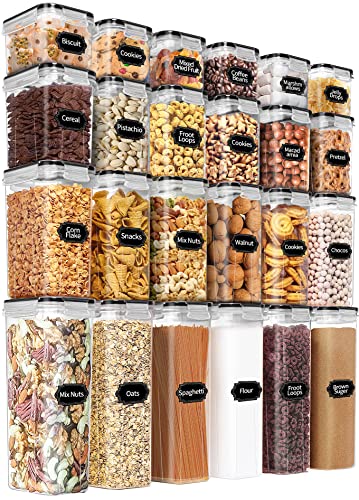
PRAKI Airtight Food Storage Containers Set with Lids – 24 PCS, BPA Free Kitchen and Pantry Organization, Plastic Leak-proof Canisters for Cereal Flour & Sugar – Labels & Marker
Bundle Set: This kitchen & pantry organizers and storage set comes with 24 containers, they are inlaid together,…
As an affiliate, we earn on qualifying purchases.
As an affiliate, we earn on qualifying purchases.
Conclusion
By organizing your kitchen and choosing the right storage, you’re like a skilled gardener tending to delicate blooms. I once forgot a bag of herbs in the fridge, only to find them fresh months later—like a surprise treasure. Proper storage keeps your holiday ingredients fresh, just as a gardener protects their plants. With a little effort, your pantry becomes a treasure chest, ready to turn everyday meals into festive feasts.

Stackable Refrigerator Organizer Bins, 6 Pack Clear Kitchen Organizer Container Bins with Handles and 20 PCS Plastic Bags for Pantry, Cabinets, Shelves, Drawer, Freezer – Food Safe, BPA Free 10"L
【STACKABLE DESIGN】The lifting feet at the bottom of each freezer organizer bin can be stacked, stacked, or side…
As an affiliate, we earn on qualifying purchases.
As an affiliate, we earn on qualifying purchases.

Vtopmart 6 Pack Clear Stackable Storage Bins with Lids, Large Plastic Containers with Handle for Pantry Organizer and Storage,Perfect for Bathroom,Cabinet,Kitchen,Fridge,Closet Organization
✅Functional Storage for Any Space: You can use these pantry bins for various things throughout your home to…
As an affiliate, we earn on qualifying purchases.
As an affiliate, we earn on qualifying purchases.