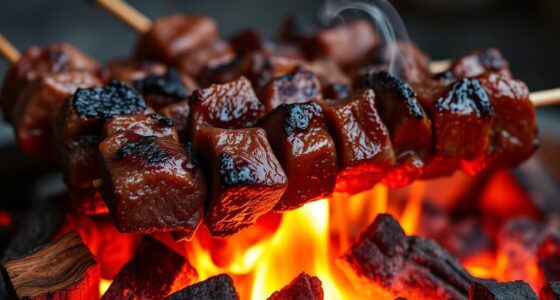
In East African cuisine, ugali is made by gradually adding maize flour to boiling water while stirring to create a firm, smooth dish. Sukuma wiki, or kale greens, are quickly sautéed with minimal ingredients to preserve their vibrant color and nutrients. Both dishes highlight simple techniques that maximize flavor and health benefits, emphasizing freshness and proper preparation. To learn more about their cultural significance and cooking methods, keep exploring the details behind these traditional staples.
Key Takeaways
- Ugali is a staple maize flour porridge, cooked by boiling and stirring to achieve a firm, smooth consistency.
- Sukuma wiki are leafy greens, quickly sautéed to preserve vitamins, flavor, and crunch.
- Both dishes are rich in carbohydrates and essential minerals, supporting energy and bone health.
- Proper preparation enhances nutrient retention and maintains traditional flavors in East African cuisine.
- They are commonly served together as a nutritious, fulfilling meal reflecting cultural culinary practices.
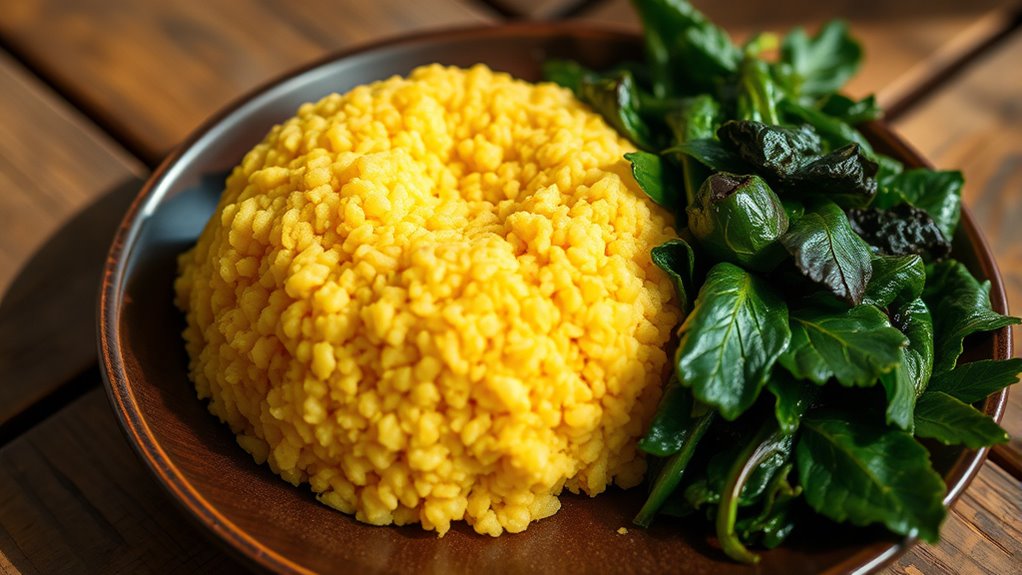
Have you ever wondered what makes East African Ugali and Sukuma Wiki a beloved staple in the region’s cuisine? It’s a combination that’s simple yet incredibly satisfying, rooted in traditional cooking techniques and packed with nutritional benefits. When preparing Ugali, you typically start by boiling water and gradually adding maize flour, stirring constantly to avoid lumps. This cooking technique ensures the mixture thickens evenly, creating a firm yet pliable consistency. It’s a straightforward process, but mastering it means your Ugali will have the right texture—neither too watery nor too stiff. The method of stirring constantly also prevents the flour from sticking or burning at the bottom, which is essential for achieving a smooth, cohesive dish. The nutritional benefits of Ugali come from its primary ingredient—maize flour—rich in carbohydrates that provide sustained energy. It’s also a good source of some essential minerals like magnesium and phosphorus, which support nerve function and bone health.
Sukuma Wiki, on the other hand, involves a different set of cooking techniques. Typically, you wash and chop the greens into bite-sized pieces, then sauté them quickly in a pan with a bit of oil, onions, and sometimes tomatoes or garlic for added flavor. The key is not to overcook the greens; a quick sauté preserves their vibrant color, nutrients, and crunch. This process locks in vitamins such as vitamin C and K, which are indispensable for immune function and blood clotting. The fast cooking technique also helps retain most of the greens’ nutritional benefits, making Sukuma Wiki a highly nutritious addition to your meal. Both dishes are often cooked with simple ingredients and seasoned sparingly, allowing their natural flavors and health benefits to shine through. The nutritional benefits extend beyond just vitamins and minerals; they also contribute to a balanced diet with fiber, aiding digestion and maintaining healthy blood sugar levels.
In essence, the cooking techniques used for Ugali and Sukuma Wiki highlight the importance of simplicity and precision—techniques that maximize flavor, texture, and health benefits. When you prepare these dishes with care, you not only honor a culinary tradition but also nourish your body with wholesome, nutrient-rich ingredients. This combination of technique and nutrition is exactly why Ugali and Sukuma Wiki remain a beloved and enduring part of East African cuisine, offering comfort, sustenance, and a taste of cultural heritage in every bite.

Premium Ugali Maize Meal 2kg or 4.4 lbs from Kenya
Premium Ugali Maize Meal 2kg or 4.4 lbs
As an affiliate, we earn on qualifying purchases.
As an affiliate, we earn on qualifying purchases.
Frequently Asked Questions
What Are the Traditional Variations of Ugali Across East Africa?
You’ll find that ugali varies across East Africa, reflecting regional flavors and cultural significance. In Kenya, it’s made with maize flour, while in Tanzania, you might find it with millet or sorghum. In Uganda, matoke or plantain ugali adds a unique twist. These variations showcase local ingredients and traditions, highlighting how ugali remains an essential, communal dish that connects different communities through shared heritage and culinary diversity.
How Do Different Regions Prepare Sukuma Wiki?
You’ll be amazed how regional flavor and cooking techniques transform sukuma wiki across East Africa! In Kenya, you simmer the greens with onions, tomatoes, and a splash of oil, creating a rich, savory dish. Tanzania often adds coconut milk for a creamy twist, while Uganda might incorporate smoked fish for extra depth. Each region’s unique approach brings out different flavors, making sukuma wiki an exciting, beloved staple everywhere!
Can Ugali Be Made With Alternative Grains?
Yes, you can make ugali with alternative grains. If you’re looking for gluten-free options, try using millet, sorghum, or maize flour instead of traditional wheat or barley. These gluten-containing grains are common in many regions and can give you a similar thick, sticky texture. Just adjust the water and cooking time as needed, and you’ll enjoy a nutritious, versatile dish that suits your dietary needs.
What Are the Health Benefits of Sukuma Wiki?
You might think sukuma wiki is just a tasty green, but it’s packed with health benefits. Its nutritional content includes vitamins A, C, and K, which boost your immune system and improve vision. Plus, its antioxidant properties help fight off free radicals, reducing inflammation and lowering disease risk. Eating sukuma wiki regularly supports your overall health, making it a nutritious, delicious addition to your diet.
How Do You Properly Store Leftover Ugali?
To properly store leftover ugali, you should wrap it tightly in plastic wrap or place it in an airtight storage container to preserve freshness. Food preservation is key to prevent spoilage. Keep it in the refrigerator, ideally within two hours of cooking. When you’re ready to eat, reheat it thoroughly, either in the microwave or on the stovetop. This way, your ugali stays safe and tasty for later.

GreenPan x Bobby Flay 12” Cast Iron Pre-Seasoned Skillet with Helper Handle, Professional Grade Heavy Duty, Induction, Pour Spouts, Versatile Stovetop, Oven, BBQ Grill Fire, Indoor/Outdoor Use, Black
BOBBY FLAY x GREENPAN: Legendary chef Bobby Flay is known for his passion for cast iron cooking and…
As an affiliate, we earn on qualifying purchases.
As an affiliate, we earn on qualifying purchases.
Conclusion
Now you see how Ugali and Sukuma Wiki come together to create a hearty, flavorful meal. You can enjoy their simplicity, their tradition, and their nourishment all at once. You can savor the taste, appreciate the culture, and embrace the comfort they bring. You can cook with confidence, share with loved ones, and celebrate East African cuisine. Because when you understand Ugali and Sukuma Wiki, you connect, you delight, and you nourish your soul.

Briout Bar Spoon Cocktail Mixing Stirrers for Drink, Stainless Steel 12 Inches Long Handle, Silver 2 Pieces
Mirror polished food grade 18/8 stainless steel construction for superb durability and corrosion resistance
As an affiliate, we earn on qualifying purchases.
As an affiliate, we earn on qualifying purchases.
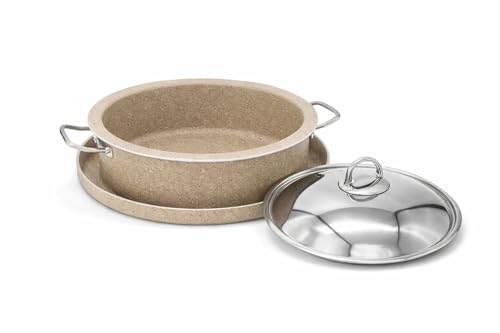
Maqluba (Makloubah) Aluminum Non-Stick Granit Coated Pot (34cm) طنجرة المقلوبه
3 Pcs Maqluba Aluminum Granit Coated Pot – Pot + Tray + Lid – Stainless Steel Lid -…
As an affiliate, we earn on qualifying purchases.
As an affiliate, we earn on qualifying purchases.