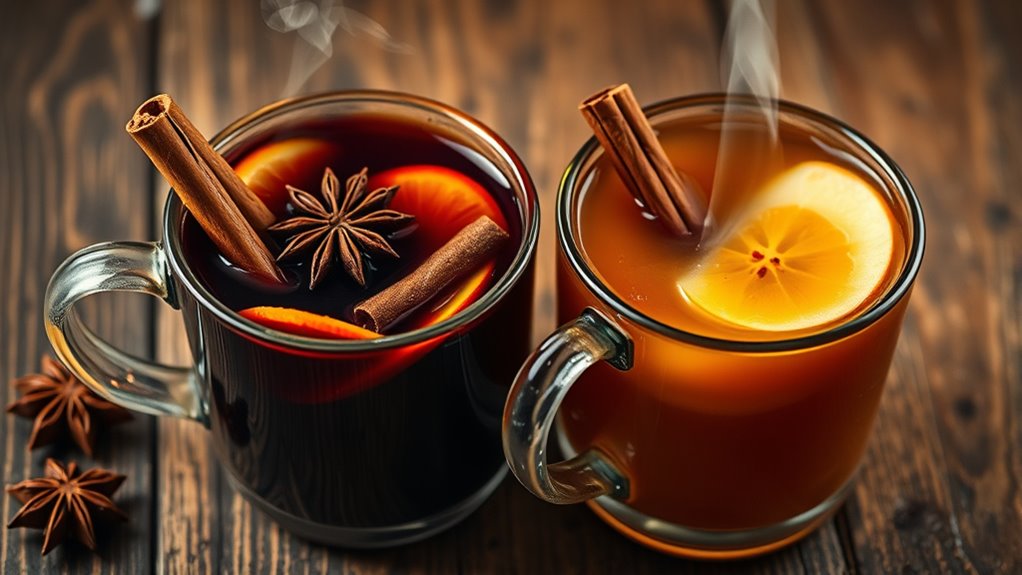

To differentiate mulled wine from mulled cider, focus on spice infusion, simmering time, and serving temperature. Mulled wine benefits from longer simmering for a richer, more complex flavor, kept warm but not hot, around 140-160°F. Mulled cider, on the other hand, shines with a lighter spice balance and is served slightly cooler to highlight apple sweetness. Adjust techniques accordingly to bring out their unique qualities—exploring further reveals how these methods shape each beverage’s character.
Key Takeaways
- Mulled wine benefits from longer simmering for deeper, more complex flavors, while mulled cider is best served at a slightly cooler temperature to emphasize apple notes.
- Proper spice quantities and infusion times differ; mulled wine often requires more robust spice infusion, whereas cider emphasizes subtle spice balancing.
- Maintaining a gentle simmer prevents flavor loss for both beverages, but mulled wine can handle longer simmering to develop richness.
- Serving temperatures vary: mulled wine is ideal between 140°F-160°F, while mulled cider is slightly cooler within the warm range to enhance apple sweetness.
- Techniques like using a slow cooker or double boiler help control temperature and prevent overcooking, crucial for achieving optimal flavor profiles for each drink.
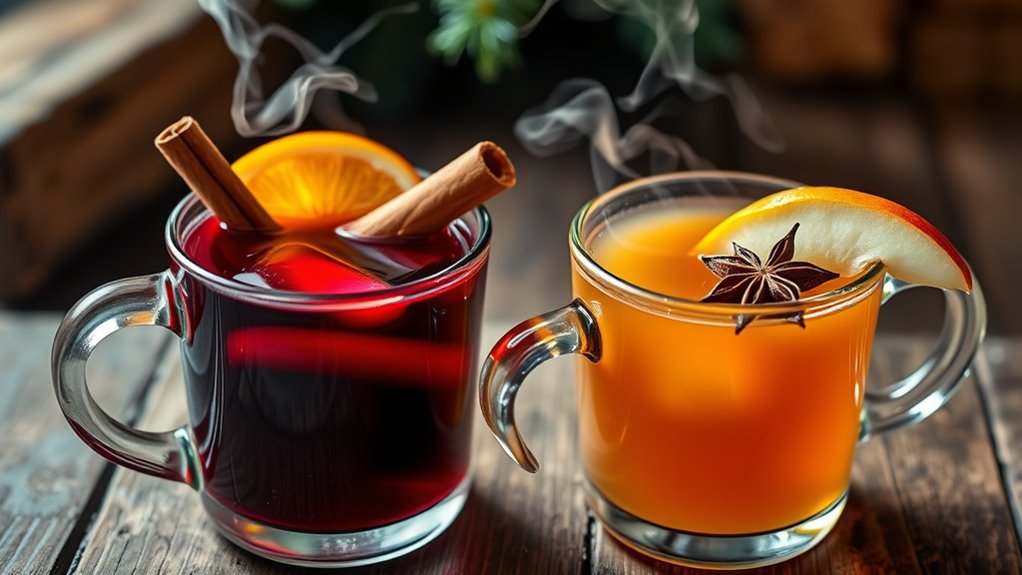
Beverages play a vital role in our daily lives, offering refreshment, energy, and comfort. When it comes to warm drinks like mulled wine and mulled cider, the magic lies in how you utilize seasonal spices and control the serving temperature. These elements greatly influence the flavor profile and overall experience, making the difference between a good drink and a memorable one. Understanding how to balance and enhance these factors helps you craft beverages that perfectly suit any occasion.
Seasonal spices are at the heart of mulled beverages. Cinnamon sticks, cloves, star anise, and nutmeg are traditional, but you can experiment with others like allspice or cardamom to add depth. When preparing these drinks, you’ll want to infuse the spices early, allowing their flavors to meld into the liquid. This process guarantees a rich, aromatic profile that complements the natural sweetness of wine or cider. The amount and timing of spice addition matter. Too much spice can overpower, while too little may leave the drink bland. A gentle simmer works best, allowing flavors to develop without losing their intensity. Additionally, maintaining proper temperature control ensures the delicate balance of flavors is preserved throughout the process.
Infuse spices early for a rich, aromatic mulled beverage that balances flavor and warmth.
Serving temperature is just as essential as the ingredients you choose. Mulled wine and cider are meant to be enjoyed warm, but not scalding, as extreme heat can diminish delicate flavors and aromatics. You should aim for a temperature around 140°F to 160°F (60°C to 70°C). This range keeps the beverage hot enough to release aromatic oils from the spices, enhancing the sensory experience without burning your tongue or masking the nuanced flavors. Using a double boiler or a slow cooker allows you to maintain a consistent temperature, avoiding the risk of boiling and preserving the integrity of the ingredients.
While both drinks share similarities, subtle differences in how you handle seasonal spices and serving temperature can distinguish them. Mulled wine often benefits from a slightly longer simmer to deepen its complex, robust flavors, especially if you prefer a more pronounced spice presence. Conversely, mulled cider might be best served a bit cooler within that warm range to highlight the apple’s natural sweetness and fresh aroma, balanced delicately by the spices.
In the end, your approach to incorporating seasonal spices and controlling the serving temperature shapes the character of your mulled beverages. It’s a simple yet powerful way to elevate a cozy drink into a signature creation. Pay attention to these details, and you’ll craft mulled wine or cider that’s perfectly heated and bursting with seasonal flavor, ready to warm you up on chilly days.

Mulled Wine Spices Kit, Mulling Spices for Apple Cider with Cinnamon, Orange Slices, Star Anise, Cloves, Raisins, Gifts for Valentine's Day, Mother's day, Father's day, Birthday gifts for Women Men
Mulled Wine Spices Kit: You'll receive 30g dried orange slices, 40g cinnamon sticks, 25g star anise, 20g cloves,…
As an affiliate, we earn on qualifying purchases.
As an affiliate, we earn on qualifying purchases.
Frequently Asked Questions
What Are the Key Differences in Spice Blends for Mulled Wine and Cider?
You’ll find that mulled wine typically uses spices like cinnamon, cloves, and star anise, enhancing its rich, fruity pairing with red wine and maintaining a higher alcohol content. In contrast, mulled cider often incorporates spices like allspice, nutmeg, and ginger, complementing its apple base and producing a lighter, lower-alcohol drink. These spice blends shape their unique flavors, making each perfect for different fruit pairings and mood.
How Do Temperature and Timing Affect the Flavor Infusion Process?
Imagine your beverage as a delicate dance partner, requiring perfect temperature control to avoid a fiery stumble. Too hot, and spices burn, turning your drink into a bitter mess; too cold, and the flavors stay stubbornly uninvited. Proper infusion timing ensures your spices release their secrets slowly, creating a harmonious blend. Master these, and you’ll craft an elixir that sings with warmth, aroma, and just the right kick.
Can Non-Traditional Ingredients Enhance Either Beverage’s Flavor Profile?
You can definitely enhance mulled wine or cider with non-traditional ingredients. Try adding herbal infusions like rosemary or thyme for aromatic complexity, or experiment with unusual add-ins such as star anise, ginger, or even a splash of balsamic vinegar for depth. These ingredients bring unique flavors and layers to your beverage, making it more interesting and personalized. Just remember to balance the flavors so nothing overpowers the classic warmth.
What’s the Best Way to Serve Mulled Beverages for Optimal Taste?
You’d think serving mulled drinks is simple, but don’t underestimate the power of presentation. Use elegant glassware that showcases their warmth and aroma, and garnish with cinnamon sticks, citrus slices, or star anise to elevate the experience. Serve them steaming hot, allowing the flavors to fully develop. Remember, the right glassware and garnishing techniques turn a basic mulled beverage into a memorable, sensory delight—so don’t skimp on the details.
Are There Specific Container Types Recommended for Mulling?
You should use ceramic pots or stainless steel for mulling your beverages. Ceramic pots distribute heat evenly, preventing hot spots that can alter flavors, while stainless steel is durable, easy to clean, and maintains the beverage’s purity. Avoid non-stick or plastic containers, as they can affect taste. Using these recommended containers guarantees your mulled drinks stay flavorful and warm without any unwanted side effects.

Monterey Bay Herb Co, Traditional Mulling Spices, by Herb Co, Spice Blend for Mulled Wine Spices, Apple Cider, Tea & Wine, 1 lb
VERSATILE MULLING SPICES: Create mulled wine, apple cider, and tea or use as mulled cider spices and mulling…
As an affiliate, we earn on qualifying purchases.
As an affiliate, we earn on qualifying purchases.
Conclusion
Now that you’ve explored the nuances between mulled wine and cider, think of them as two different songs that set the perfect mood. I once hosted a holiday gathering where a friend’s advice to “try both and see which feels right” turned out to be the best tip. Just like tasting wine and cider, discovering your favorite is about embracing the journey. So, experiment and savor each sip—after all, the best stories are brewed one warm drink at a time.
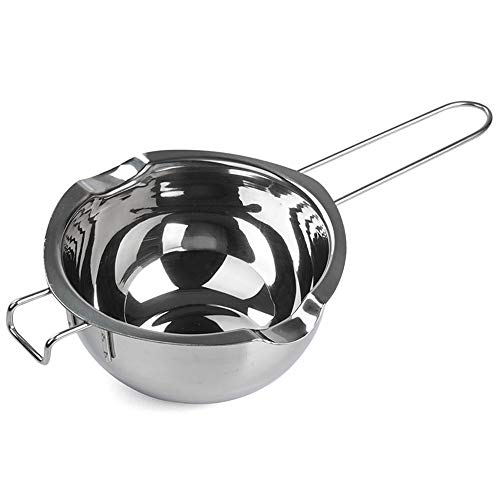
Stainless Steel Double Boiler Pot for Melting Chocolate, Candy and Candle Making (18/8 Steel, 2 Cup Capacity, 480ML)
【Superior Material 】- Made of 18/8 Stainless steel, Rust Resistant, Sturdy,and proper temperature to melt things but not…
As an affiliate, we earn on qualifying purchases.
As an affiliate, we earn on qualifying purchases.

CDN ProAccurate® Instant Read Beverage Frothing Thermometer with Clip for Precise Temperature Measurement, 5" Stainless Steel Stem, Black Case (IRT220-F)
1-inch /2.5 cm magnified dial
As an affiliate, we earn on qualifying purchases.
As an affiliate, we earn on qualifying purchases.