To get creative with leftovers, start by planning ahead to maximize ingredients and store them properly in clear, labeled containers. Transform rice into fried rice, stale bread into croutons, or leftover veggies into hearty soups. Shredded cheese can top omelets, while roasted vegetables make quick salads. Repurposing leftovers reduces waste, saves money, and sparks new culinary ideas. Keep exploring these simple hacks to turn your leftovers into delicious, hassle-free meals that make the most of what you’ve already cooked.
Key Takeaways
- Plan meals ahead to identify reusable ingredients and reduce waste efficiently.
- Store leftovers in clear, labeled containers to easily locate and organize ingredients.
- Transform leftover rice into fried rice or stuffed peppers for quick, tasty meals.
- Blend overcooked vegetables into soups or add them to frittatas for flavor and nutrition.
- Use stale bread to make croutons or bread crumbs, turning leftovers into new culinary creations.
Have you ever wished you could save time and reduce waste in the kitchen? If so, mastering the art of repurposing leftover ingredients can be a game-changer. Instead of tossing out what’s left at the end of a meal, you can transform those leftovers into new, delicious dishes or snacks. It’s all about thinking creatively and making the most of what you already have. To do this efficiently, good meal prep and effective storage solutions are essential. Planning your meals ahead of time allows you to identify ingredients that can be reused or repurposed, so you’re not stuck with excess food that might go bad. When you prepare your meals, consider portioning ingredients into smaller, manageable amounts, making it easier to repurpose leftovers later. For example, roasting a large batch of vegetables? Save some for future salads, wraps, or even smoothies. If you’re cooking grains or proteins, cook slightly more than you need, so you can incorporate leftovers into other meals without extra effort. Incorporating mindful sleep habits can also improve your energy and creativity in the kitchen, making it easier to come up with inventive leftover ideas.
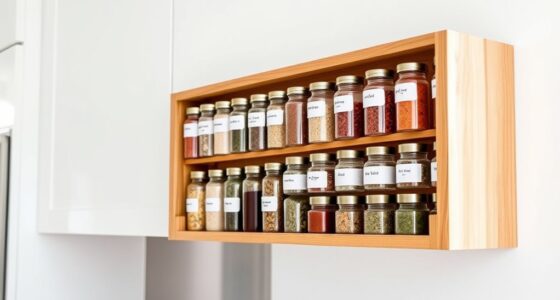
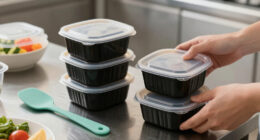
Storage solutions play a critical role in keeping leftovers fresh and safe for later use. Invest in airtight containers that come in various sizes to suit different leftovers, from small bits of cheese to large portions of cooked chicken. Clear containers help you quickly identify what’s inside, reducing the chance of forgotten food going bad. Label your containers with dates so you know exactly when you stored the leftovers, and aim to consume them within a safe timeframe. Freezing leftovers is another smart storage solution, especially if you won’t be using them soon. Many ingredients, like cooked meats, sauces, and even chopped vegetables, freeze well and can be thawed when needed for quick additions to your meals.
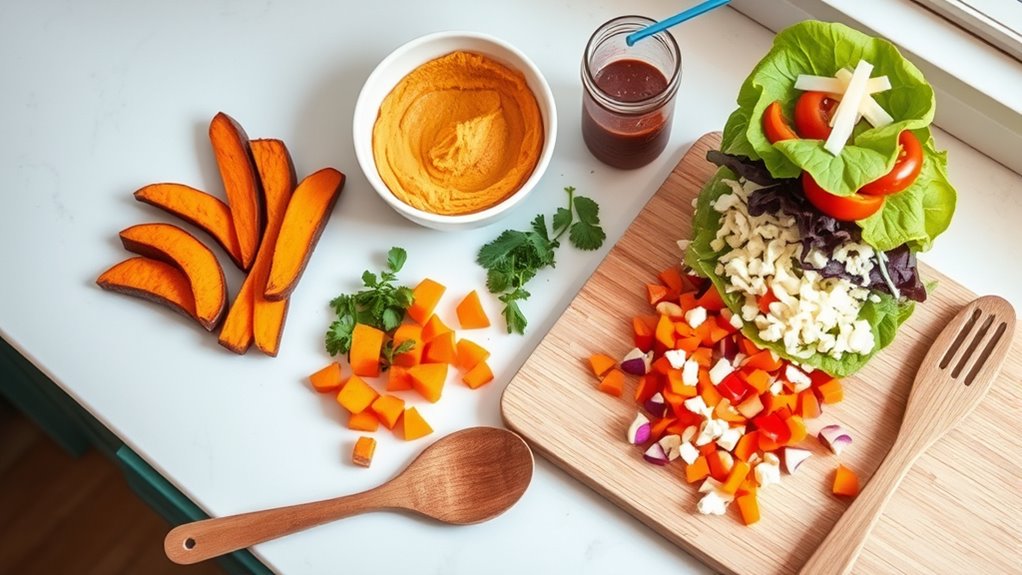
Once you’ve stored leftovers properly, the fun begins with creative repurposing. Leftover rice can become fried rice or stuffed peppers. Overcooked vegetables can be blended into soups or added to frittatas. Stale bread? Turn it into croutons or bread crumbs for topping salads and casseroles. Even bits of cheese can be shredded and added to omelets or pasta dishes. The key is to see leftovers not as waste, but as a starting point for new meals. With good meal prep habits and smart storage solutions, you’ll waste less, save money, and always have ingredients ready to turn into something tasty. This approach makes cooking less tedious and more sustainable, turning everyday leftovers into culinary opportunities.

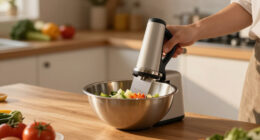
Cuisinart Mini Food Processor, Reversible Blade, 24-Ounce Capacity
- Powerful 250-Watt Motor: Efficient food processing capabilities
- Reversible Stainless Steel Blade: Quickly chops, dices, and grinds
- 24-Ounce Capacity: Suitable for small to medium tasks
As an affiliate, we earn on qualifying purchases.
Frequently Asked Questions
How Can I Store Leftover Ingredients to Prevent Spoilage?
To prevent spoilage, store leftover ingredients in airtight containers, which keep out moisture and air that cause spoilage. Use refrigeration tips like labeling containers with dates and keeping the fridge at the right temperature (below 40°F). Make sure to seal containers tightly after each use, and store leftovers promptly. This way, you’ll extend their freshness and reduce waste, ensuring your ingredients stay safe and ready for your next meal.
What Are Some Eco-Friendly Ways to Dispose of Food Scraps?
You can reduce food waste by composting your food scraps using eco-friendly methods like backyard composting or vermicomposting. These methods turn scraps into nutrient-rich soil, helping the environment. To get started, collect vegetable peels, coffee grounds, and eggshells in a compost bin, and turn the pile regularly. This not only minimizes waste but also promotes food waste reduction and supports sustainable gardening practices.
Are There Safety Tips for Experimenting With Unconventional Ingredient Combinations?
Did you know that 60% of home cooks experiment with ingredient pairing? When trying unconventional ingredient combinations, always start small to guarantee safety. Trust your senses—smell, taste, and texture—to guide flavor balancing. Keep a fire extinguisher nearby, and avoid cross-contamination by using separate utensils. Remember, if something smells off or tastes strange, it’s better to discard it than risk foodborne illness. Safety first helps you enjoy creative cooking worry-free!
How Do I Adjust Recipes When Substituting Leftover Ingredients?
When substituting leftover ingredients, you should start by considering ingredient pairing to guarantee flavors complement each other. Taste as you go and adjust seasonings to achieve proper flavor balancing. Keep in mind that some ingredients may alter cooking times or textures, so modify your recipe accordingly. Trust your palate, and don’t be afraid to experiment—this way, you’ll create delicious dishes that make the most of your leftovers.
Can Leftover Ingredients Be Used to Make Homemade Pet Treats?
Yes, you can use leftover ingredients to make DIY pet treats, but always prioritize ingredient safety. Check that leftovers are safe for pets—avoid onions, garlic, and anything toxic. Use simple, healthy ingredients like cooked chicken, rice, or vegetables, and avoid adding salt or seasonings. Mix, bake, and store your homemade treats in airtight containers. This way, you create tasty, safe snacks for your pets while reducing waste.
Conclusion
By repurposing leftover ingredients, you reduce waste, save money, and release your creativity. You transform stale bread into crispy croutons, overripe fruit into smoothies, and vegetable scraps into flavorful broths. Embrace these hacks to minimize your kitchen footprint, maximize your culinary potential, and enjoy the satisfaction of turning leftovers into delicious new dishes. Because when you think creatively, you don’t just cook—you innovate, you conserve, and you inspire.