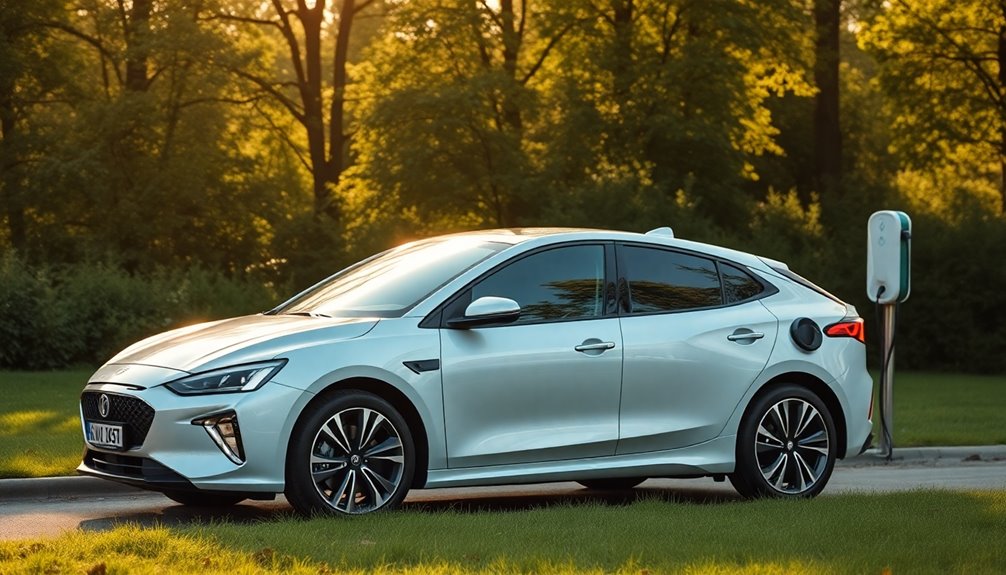

Plug in hybrids offer a flexible way to enjoy electric driving with the convenience of gasoline backup. The 2026 lineup features models like the 2024 Hyundai Tucson Plug-In Hybrid Limited as the top overall choice for its balanced mix of range, features, and affordability. For portable charging, the Lectron EV Charger, 16 ft Extension Cord stands out for its versatility and ease of use, while the 2022 Ford Escape SEL Plug-In Hybrid is a reliable pre-owned option with proven durability. Buyers face tradeoffs between electric-only range, charging infrastructure, and upfront costs. Keep reading for a detailed breakdown to help you find the best fit for your needs.

Get kitchen staples and gadgets delivered free with Prime
- Fast, free delivery on millions of items
- Prime Video, Amazon Music and more included
- Member-only deals all year
Key Takeaways
- Top picks balance electric range with charging convenience, with the Hyundai Tucson PHEV leading for overall value.
- Portable chargers like the Lectron models add flexibility but may not match the charging speed of dedicated station units.
- Pre-owned options like the Ford Escape PHEV provide budget-friendly choices with proven reliability.
- Higher-end models and chargers often include advanced features but come with increased costs and complexity.
- Choosing the right plug in hybrid depends heavily on your daily driving, charging access, and budget considerations.


More Details on Our Top Picks
2026 Upgraded Level 1 & 2 EV Charger for All J1772 EVs, NEMA 5-15/6-20 Plug
The Raylix 2026 EV charger stands out for its smart, adjustable current control and scheduling capabilities, making it highly efficient for various home setups. Compared with the simpler, fixed-output chargers like the EVDANCE, this model offers real-time data via a color display, providing greater insight into charging status. Its compatibility with all J1772 EVs and hybrids broadens its appeal, but the need for some electrical knowledge and potential professional installation could be a hurdle for less tech-savvy users. Its IP65 water resistance and advanced safety features make it a durable choice for both indoor and outdoor use. However, its reliance on North American outlets limits its use internationally, and understanding electrical outlets is recommended for optimal operation.Pros:- Adjustable current and customizable scheduling for energy efficiency
- Real-time charging data displayed on a color TFT screen
- Compatible with all SAE J1772 EVs and plug-in hybrids
- Durable, IP65 water-resistant design with safety certifications
Cons:- Requires understanding of electrical outlets for optimal setup
- May need professional installation for certain outlets
- Limited to North American electrical standards
Best for: Homeowners wanting a versatile, smart charger that adapts to different vehicle types and schedules
Not ideal for: Renters or users in regions with different electrical standards who may face installation or compatibility issues
- Charging Speed:Up to 4× faster than standard 8A chargers
- Adjustable Current:8A/10A/12A/16A
- Plug Types:NEMA 5-15, NEMA 6-20
- Power:3.68kW at 16A
- Voltage:120V/240V
- Water Resistance:IP65
Our verdict“This charger is best for those seeking a flexible, feature-rich solution with smart monitoring capabilities.”
Lectron EV Charger, 16 ft Extension Cord & J1772 Cable – Portable Electric Car Charger for J1772 EVs and Plug-in Hybrid Vehicles
The Lectron EV Charger excels in portability, offering a compact design with a 16-foot extension cord and WiFi app control that simplifies remote management. Compared with the more advanced but bulkier Raylix, this option prioritizes mobility, making it ideal for users who need to charge on the go or at multiple locations. Its compatibility with all J1772 EVs and hybrids ensures broad usability, but its limited 12A current means slower charging for some, especially compared to high-capacity Level 2 units like the Lectron 40A. The WiFi and app integration provide convenient scheduling and monitoring, yet the reliance on WiFi might be a drawback in areas with poor connectivity or for users who prefer wired controls. It’s a strong pick for those who value ease of transport over maximum charging power.Pros:- WiFi and app control for remote management
- Includes a 16 ft extension cord and carrying case for portability
- Compatible with all J1772 vehicles and hybrids
- Provides safe overnight charging with protections
Cons:- Limited to 12A, resulting in slower charging for some users
- Requires WiFi connection for full app features
- Only compatible with J1772 vehicles, excluding Tesla without adapters
Best for: Travelers or apartment dwellers needing portable, app-controlled charging solutions
Not ideal for: Fast charging enthusiasts or users with large batteries wanting rapid, high-current charging
- Connector Type:J1772
- Compatible Devices:J1772 EVs and PHEVs
- Input Voltage:120 volts
- Amperage:12 A
- Output Power:1.44 KW
- Connectivity Technology:WiFi
Our verdict“This charger is ideal for those prioritizing portability, remote control, and moderate charging speed.”
EVDANCE Level 1 & 2 EV Charger with 25FT Cable, Portable J1772 Electric Vehicle Charger, ETL Listed
The EVDANCE Level 1 & 2 charger offers a long 25-foot cable and dual voltage capability, making it well-suited for users with varying outlet types and larger property layouts. Its portability is enhanced by the included carrying bag, and its compatibility with most major EVs and PHEVs (excluding Tesla without an adapter) makes it a flexible choice. Compared to the compact Lectron chargers, this model sacrifices some portability for greater reach and versatility. The LED status indicator simplifies monitoring, but it doesn’t support the higher current levels of Level 2 fast chargers, limiting its speed to about 3.68kW at 240V. It’s best for those who need a portable, all-in-one charger that can handle different outlets and vehicle types, but not for users seeking rapid charging.Pros:- Long 25-foot cable for flexible placement
- Compatible with most major EVs and PHEVs
- Portable with carrying case for travel
- Weather-resistant and safety certified
Cons:- Limited maximum current at 16A, restricting charging speed
- Not compatible with Tesla without adapters
- Requires purchase of specific adapters for some outlets
Best for: Homeowners with diverse outlet setups and larger properties needing a flexible, portable charger
Not ideal for: Drivers seeking quick Level 2 charging or Tesla owners without adapters
- Cable Length:25 ft
- Voltage:120V/240V
- Current:12A (120V), 16A (240V)
- Power:1.44kW (120V), 3.68kW (240V)
- Certification:ETL, FCC, CE
Our verdict“This charger fits users needing extended reach and broad compatibility in a portable package.”
Lectron Level 2 EV Charger – ETL Certified, 240V, 40 Amp, NEMA 14-50 Plug, 16 ft Extension Cord & J1772 Cable
The Lectron Level 2 charger offers powerful 40A charging up to 9.6kW, making it suitable for quick top-ups and larger batteries. Its NEMA 14-50 plug and ETL certification align with safety and code compliance, making it a reliable choice for home installations. Compared with the smaller, portable chargers like the EVDANCE or the 16A Lectron, this model delivers significantly faster charging, ideal for busy households that need rapid turnaround. The 16-foot cable adds flexibility, but the higher current demands a robust electrical setup, potentially increasing installation costs. It’s best suited for users who want fast, consistent Level 2 charging and have compatible electrical infrastructure, but it’s less portable and more static in nature.Pros:- High-powered 40A charging up to 9.6kW for fast top-ups
- ETL certified for safety and compliance
- Includes a 16-foot cable for flexible placement
- NEMA 14-50 plug suitable for dedicated circuits
Cons:- Higher electrical requirements may increase installation costs
- Less portable; designed for fixed installation
- Price point may be higher than smaller chargers
Best for: Homeowners seeking high-speed, reliable Level 2 charging with a dedicated setup
Not ideal for: Renters or those with limited electrical capacity who need portable or lower-cost options
- Input Voltage:240V
- Charging Rate:9.6 kW
- Cable Length:16 ft
- Plug Type:NEMA 14-50
- Certification:ETL
Our verdict“This charger is ideal for owners who prioritize rapid charging and have the electrical infrastructure to support it.”
2022 Ford Escape SEL Plug-In Hybrid – Certified Pre-Owned
The 2022 Ford Escape SEL Plug-In Hybrid offers a balanced combination of fuel efficiency and SUV versatility, making it suitable for daily driving and family trips. Unlike the dedicated chargers in this roundup, this vehicle embodies the hybrid technology that many plug-in hybrid owners seek, blending electric and gas power for extended range and reduced fuel costs. Compared with pure EV chargers, it delivers a familiar driving experience with the added benefit of petrol backup. However, it’s limited by its cargo space and potentially higher maintenance costs associated with hybrid systems. This SUV is an excellent choice for those who want a practical vehicle that can run on electric for daily commutes but also handle longer trips without range anxiety.Pros:- Fuel-efficient hybrid powertrain reduces running costs
- Modern interior with tech features
- Versatile SUV design suitable for families
- Can run on electric mode for short trips
Cons:- Limited cargo space compared to larger SUVs
- Potential higher maintenance for hybrid components
- No dedicated fast charging features as in EV chargers
Best for: Families seeking a versatile, fuel-efficient hybrid SUV for daily and long-distance travel
Not ideal for: Pure EV owners or those seeking dedicated home charging solutions without hybrid capabilities
Our verdict“This vehicle is best for buyers wanting a hybrid SUV that balances efficiency with practicality for everyday life.”
Level 1 EV Charger – 2.8 Inch LED Touch Screen, 25FT, 110V/240V
This Level 1 charger stands out for its user-friendly 2.8-inch touch screen, making scheduling and current adjustments straightforward, especially compared to more complex options like the EVIQO Level 2 charger. Its compatibility with all North American EVs and hybrids provides broad flexibility, but it’s limited to standard household outlets, which means slower charging times—suitable for overnight needs rather than quick top-ups. The 25-foot cable offers convenient vehicle access in a typical garage or driveway, yet the absence of a Tesla adapter can be a hassle for Tesla owners, who must purchase one separately. Compared to the more powerful Level 2 chargers, this model excels in simplicity and cost but trades off charging speed and higher power capacity.
Pros:- Intuitive 2.8-inch touch screen interface for easy control
- Compatible with all North American EVs and hybrids
- Flexible 25-foot cable for convenient vehicle access
- Weatherproof and durable for all-season use
Cons:- Requires separate Tesla adapter for Tesla vehicles
- Limited to North American plug standards
- No included Tesla adapter adds extra cost
Best for: Homeowners seeking an affordable, easy-to-use charger for overnight charging of hybrids and EVs without complicated setup.
Not ideal for: Tesla owners or those needing rapid charging, as it requires an additional Tesla adapter and offers slower charging speeds.
- Output Voltage:240 volts
- Input Voltage:120 volts
- Amperage:16 A
- Cable Length:25 feet
- Plug Types:NEMA 5-15, NEMA 6-20
- Display:2.8-inch touch screen
- Standards:CE, FCC
Our verdict“This charger is perfect for budget-conscious homeowners who prioritize simplicity and compatibility over rapid charging capabilities.”
EVIQO Level 2 EV Charger J1772 40A NEMA 14-50 – 240V Wall Charging Station
This Level 2 charger makes a strong case for those who want faster, more efficient charging, especially compared to the Level 1 options like the previous pick. Its 40A output allows for significantly quicker charging times, ideal for daily drivers or those who want to minimize downtime. The addition of WiFi control via a mobile app enhances convenience, enabling remote scheduling and energy tracking—features not available on the Level 1 model. Its weatherproof build allows for outdoor installation, but the long cable and NEMA 14-50 outlet requirement may be cumbersome in smaller garages, and Tesla owners will need an adapter. Compared to the Level 1 charger, this model sacrifices simple setup for speed and smart features, making it a better choice for daily use or households with multiple vehicles.
Pros:- Faster 40A charging for quicker top-ups
- WiFi app control for remote start, scheduling, and energy monitoring
- Weatherproof construction for outdoor installation
- Glow-in-the-dark holster for nighttime use
Cons:- Requires dedicated 240V NEMA 14-50 outlet, not universal
- May be cumbersome in tight spaces due to long cable
- Tesla owners need an adapter for compatibility
Best for: Homeowners seeking rapid, remotely managed charging with compatibility for all non-Tesla EVs and hybrids.
Not ideal for: Small garage owners or those with limited outlet options, due to its longer cable and outlet requirements.
- Amperage:40 A
- Voltage:240V
- Connector:J1772
- Outlet Type:NEMA 14-50
- Cable Length:25 ft
- WiFi Compatibility:Yes
- Warranty:3 years
Our verdict“This charger is ideal for tech-savvy users who prioritize speed and remote management over installation simplicity.”
2024 Hyundai Tucson Plug-In Hybrid Limited
The 2024 Hyundai Tucson Plug-In Hybrid Limited offers a compelling mix of efficiency and comfort, making it a strong choice for those who want a versatile vehicle that can handle daily commuting with an electric edge. While it doesn’t compete directly with dedicated chargers, it’s important to note that owning this SUV means you’ll need an appropriate home charging setup, preferably a Level 2 station for faster charging. Compared to smaller or less tech-equipped hybrids, the Tucson provides modern safety features and a refined interior, but its larger size and higher price point might be less appealing for city dwellers with tight parking or budget constraints. For buyers seeking a stylish, efficient SUV that pairs well with a plug-in hybrid charger, this vehicle fits the bill.
Pros:- Fuel-efficient hybrid powertrain for daily commuting
- Modern technology and advanced safety features
- Comfortable, well-appointed interior
Cons:- Limited cargo space compared to larger SUVs
- Higher purchase price for the hybrid variant
- Charging speed depends on home setup, not built-in fast charging
Best for: Individuals or families looking for a stylish, fuel-efficient SUV with hybrid capabilities for daily driving.
Not ideal for: Urban dwellers with limited garage space or those prioritizing maximum cargo capacity over comfort and tech features.
Our verdict“This vehicle suits buyers who want a stylish, comfortable hybrid SUV with good fuel economy, assuming they can support proper home charging.”

How We Picked
To evaluate these products, I focused on performance, ease of use, build quality, and overall value. For vehicles, the main criteria included electric-only range, fuel efficiency, and feature set. For chargers, key factors were charging speed, portability, compatibility, and safety certifications. The rankings reflect a balance between these aspects, prioritizing models that best serve typical buyer needs—whether for daily commuting, long trips, or home installation. I also considered user convenience and long-term costs, ensuring the selections cover a broad spectrum of preferences and budgets.Factors to Consider When Choosing Plug In Hybrid
Choosing the right plug in hybrid involves understanding several key factors that can impact your ownership experience. Beyond just the vehicle’s electric range, consider your daily driving habits, charging options, and budget. A well-chosen hybrid can reduce fuel costs and emissions, but a poor fit might lead to frustration or extra expenses. This guide explores the main considerations to keep in mind when selecting a plug in hybrid vehicle or charger, helping you avoid common pitfalls and make a smarter investment.Electric Range and Charging Infrastructure
The primary advantage of a plug in hybrid is its electric-only range, which varies widely among models. If most of your daily trips are short, a vehicle with a higher electric range will maximize savings and reduce emissions. However, if you lack access to convenient charging stations, a model with a larger gasoline tank or hybrid-only features might serve you better. Consider your typical driving distance and the availability of charging points at home or in your community to make an informed choice.
Charging Speed and Compatibility
Charging speed can significantly influence your convenience, especially if you rely on public stations or need quick top-ups. Level 1 chargers are slower but easier to use, making them suitable for overnight home charging. Level 2 chargers offer faster charging times and are better suited for daily use if your home setup supports it. Compatibility with existing outlets and your vehicle’s charging port is critical, so verify that your chosen charger matches your vehicle’s specifications to prevent surprises.
Cost, Incentives, and Total Ownership
Upfront costs for plug in hybrids and chargers can be substantial, but federal and local incentives may offset part of the expense. Beyond initial price, consider long-term savings on fuel and maintenance. Cheaper models might lack advanced features or electric range, leading to higher ongoing costs. Investing in a higher-quality charger or vehicle can improve longevity and reduce repair costs, but weigh these benefits against your budget to find a balanced option.
Vehicle Features and Usage Needs
Different models cater to varied lifestyles—compact hybrids suit urban dwellers, while larger SUVs provide more cargo space and comfort for family trips. Look at features like driver assistance, infotainment, and interior quality to match your preferences. If you frequently go on long drives, prioritize models with extended electric range and efficient hybrid operation. Conversely, for city commutes, a smaller, more affordable option may suffice.
Maintenance, Reliability, and Resale Value
Hybrids tend to have different maintenance needs than traditional vehicles, with some components lasting longer and others requiring specialized service. Established brands with proven track records typically offer better reliability and resale value. Consider the manufacturer’s reputation, warranty coverage, and availability of service centers. Investing in a well-supported model can minimize unexpected costs and ensure smoother ownership over time.
Frequently Asked Questions
How much electric-only range do I need in a plug in hybrid?
The ideal electric range depends on your daily driving distances. For most commuters, a range of around 20-30 miles covers typical trips and can significantly cut fuel costs. If your daily trips are longer, look for models offering 40 miles or more to maximize electric driving and reduce gasoline use. Remember, the higher the electric range, the more flexibility you’ll have in daily use without relying on gasoline, but this often comes at a higher initial cost.
Can I charge my plug in hybrid at public charging stations?
Most plug in hybrids support standard charging protocols compatible with many public stations. However, charging speed varies depending on the station type—Level 1, Level 2, or fast chargers—so check your vehicle’s specifications. Having access to reliable, convenient charging options is vital if you plan to do frequent longer trips. In some cases, installing a dedicated home charger can save time and simplify your routine, making daily charging more practical.
Are plug in hybrids worth it compared to traditional hybrids?
Plug in hybrids can offer significant advantages if you can regularly charge at home or work, allowing more electric-only miles and reducing fuel costs. They also provide greater flexibility, as you’re not limited to electric mode alone. However, they tend to be more expensive upfront and require suitable charging infrastructure. If your driving patterns don’t support frequent charging, a traditional hybrid might deliver better value and lower ownership complexity.
What should I look for in a charging station for my plug in hybrid?
Focus on compatibility with your vehicle, charging speed, and safety features. Level 2 chargers are generally recommended for daily use, offering faster top-up times. Ensure the station has proper certifications, like UL listing, and matches your home’s electrical capacity. Additional features such as Wi-Fi connectivity or smart scheduling can add convenience, but they often come at a premium. Investing in a quality charger can extend the lifespan of your vehicle’s battery and improve overall ownership experience.
How does driving a plug in hybrid affect maintenance costs?
Compared to traditional vehicles, plug in hybrids typically have lower maintenance costs because of fewer engine parts and regenerative braking systems that reduce wear. However, some components like the battery and electric motors may require specialized service, which can be more expensive if issues arise. Regular maintenance, including fluid changes and software updates, is still essential. Choosing a reputable brand with a solid warranty can help mitigate potential repair costs and ensure reliability over time.
Conclusion
For everyday commuters who want a balance of electric driving and fuel backup, the 2024 Hyundai Tucson Plug-In Hybrid Limited offers an excellent mix of range, features, and affordability. Buyers seeking the best value should consider pre-owned options like the 2022 Ford Escape SEL PHEV, which provides proven reliability at a lower price. Those looking for a premium experience may prefer models with advanced tech and longer electric ranges, while beginners will benefit from simpler, more affordable chargers and vehicles. Ultimately, your choice should align with your driving habits, budget, and access to charging infrastructure to ensure a satisfying ownership experience.