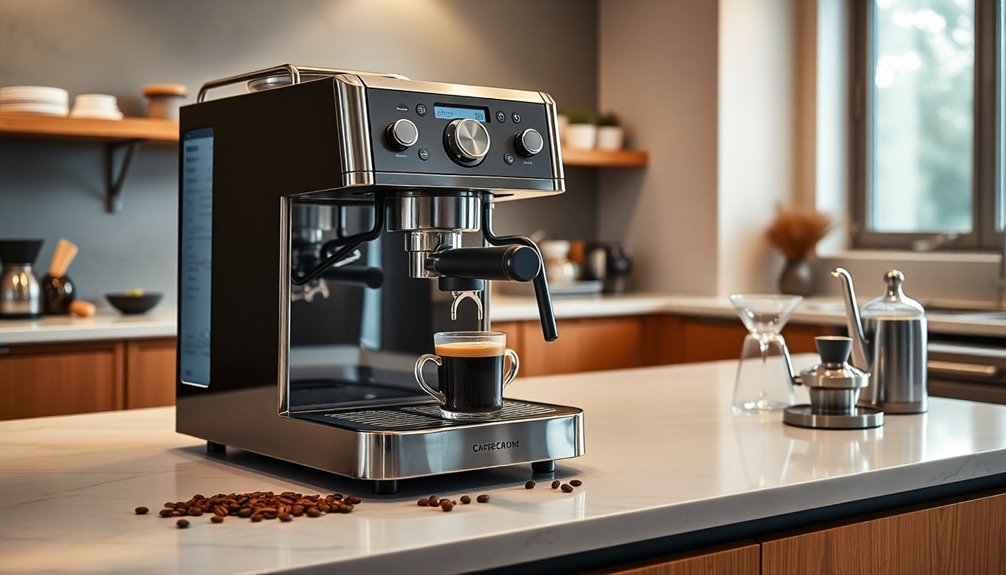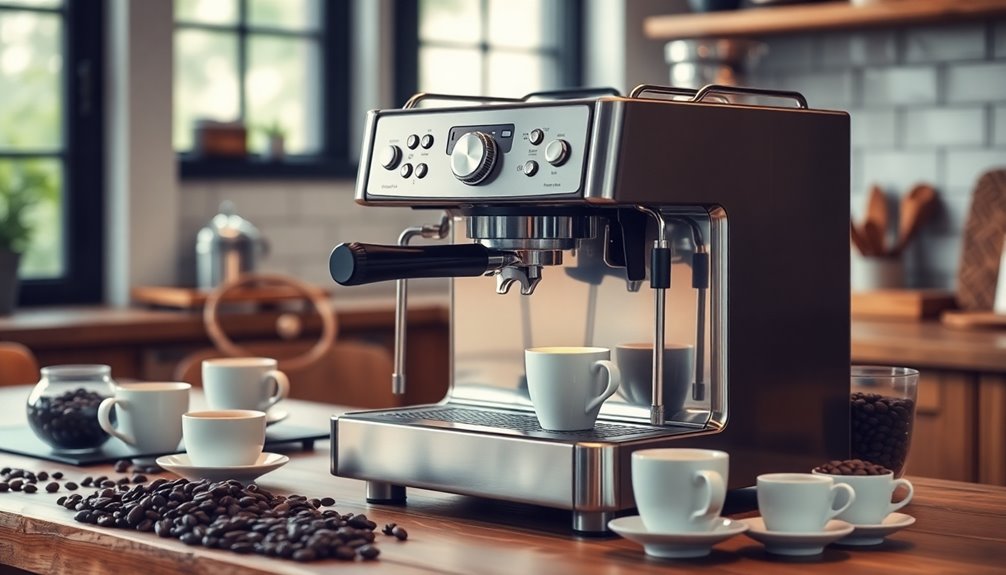
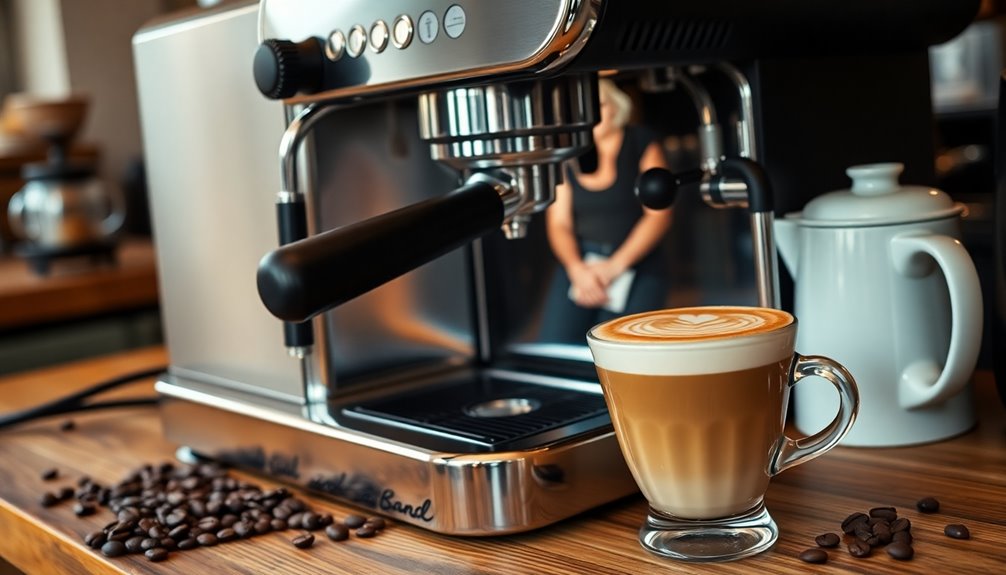
Shopping for a cheap espresso machine usually means choosing between real pressure and real convenience. My top pick, the AYCHIRO 20-Bar Semi-Automatic Espresso Machine, stands out because it pairs genuine 20-bar pump pressure with a pressure gauge and steam wand — features that actually move you toward café-quality shots instead of just strong coffee. Two other standouts: the CASABREWS 3700 Essential for its stainless steel build at a budget price, and the IMUSA USA Stovetop Espresso Maker for anyone who wants espresso-style coffee for the absolute least money and zero countertop clutter. The main tradeoff in this category is that most machines under a certain budget use 3.5 or 4 bars of steam pressure rather than a true pump, which affects crema and shot consistency. Read on for the full breakdown of all 15 machines and which one fits your kitchen.

Get kitchen staples and gadgets delivered free — and shop member deals
- Fast, free delivery on millions of items
- Access to Prime Big Deal Days deals on October 6–7
- Prime Video, Amazon Music and more included
Complete the kit


Key Takeaways
- Pressure rating is the biggest divide in this lineup: only the AYCHIRO (20-bar) and the Reemix 6-Bar approach true espresso extraction, while the many 3.5-bar machines produce moka-style coffee with thinner crema.
- The same 3.5-bar, 800-watt platform appears across several brands (KEENSTAR, SHARDOR, Ihomekee, XIXUBX), so the choice between them comes down to steam wand quality, carafe design, and warranty rather than brewing performance.
- The IMUSA stovetop maker is the outlier of the group — no electricity, no pump, and no frother — but it delivers the strongest, most traditional espresso-flavored cup per dollar of anything here.
- Digital and touchscreen options like the Chefman CraftBrew and Arecovas add programmability at a moderate cost premium but introduce more failure points than simple dial-based machines.
- Steam wand performance varied more than any other feature: machines like the CASABREWS and AYCHIRO produce microfoam suitable for latte art, while entry-level wands on the 3.5-bar models mostly make hot, soapy milk.




More Details on Our Top Picks
3.5-Bar Espresso Machine, 4-Cup Compact Coffee Maker with Steam Wand, 800W, Black
For a true espresso newcomer, this machine strips away everything intimidating. The single knob control means there is no programming, no menus, and no learning curve — turn it to brew, turn it to steam. Compared with the KEENSTAR, this model matches its 800W heating and steam wand performance but adds a glass carafe with a 4-cup capacity, which makes serving two people easier.
The tradeoff is honest and worth understanding: 3.5 bars of steam pressure cannot produce the dense, syrupy extraction of a 15-bar pump machine like the SHARDOR below. What you get is closer to strong moka-style coffee, which is perfectly drinkable in milk drinks. Also note the medium-coarse grind requirement — fine espresso grounds will clog the filter, so budget-minded buyers should plan their grinder accordingly.
Pros:- Dead-simple knob operation with no learning curve
- Genuinely compact and lightweight footprint
- Steam wand handles basic milk frothing for cappuccinos
- Removable filter, carafe, and holder make cleanup quick
Cons:- 3.5-bar steam pressure produces weaker extraction than pump machines
- Requires medium-coarse grounds, limiting grind flexibility
Best for: First-time espresso drinkers in dorms or small apartments who want café-style milk drinks without complexity
Not ideal for: Espresso purists chasing authentic 9-bar crema and dense shot texture — the low pressure simply cannot deliver it
- Pressure:3.5 Bar
- Capacity:4 cups
- Power:800W
- Steam Wand:Yes
- Recommended Grind:Medium-coarse
- Removable Parts:Filter, filter holder, carafe, measuring spoon
Our verdict“A sensible first machine for casual milk-drink drinkers who value simplicity over espresso authenticity.”
KEENSTAR 3.5 Bar Espresso Machine with Steam Wand, 800W Compact 4-Cup Espresso Maker
The KEENSTAR earns its value spot through speed: up to four cups of espresso in under two minutes, with a steam wand that reaches frothing temperature in roughly 40 seconds. For anyone racing through weekday mornings, that timing advantage over similarly-priced rivals like the black 3.5-bar model above is the whole story — both share 800W of power and one-knob simplicity, but this one is tuned for pace.
Where the savings show is in precision. The 240ml maximum water fill is a hard limit — overfill it and the nozzle leaks, so you are measuring every pour. The steam wand also demands manual cleaning after each use, which takes discipline the more casual buyer may not have. Still, at 4.7 pounds with a slim footprint, it is a low-risk entry point into home espresso that forgives most beginner mistakes.
Pros:- Brews up to 4 cups in under 2 minutes
- Steam wand froths milk in about 40 seconds
- Featherweight 4.7 lb design fits anywhere
- Single-knob operation anyone can master
Cons:- Overfilling past 240ml causes nozzle leaking
- Steam wand and filter need manual cleaning after every use
Best for: Budget-conscious students and office workers who want fast espresso and cappuccinos with minimal fuss
Not ideal for: Households serving more than two people at once — the small 240ml capacity and leak-prone overfill make batch brewing tedious
- Pressure:3.5 bar
- Power:800W
- Capacity:1-4 cups (240ml)
- Dimensions:13.1″ H x 7.7″ W x 10″ D
- Weight:4.7 lbs
- Brew Time:Under 2 minutes
- Steam Wand Heat-Up:40 seconds
- Material:BPA Free
Our verdict“The fastest route from zero to a morning cappuccino if you accept a small tank and some cleanup discipline.”
SHARDOR Espresso Machine with Milk Frother for Cappuccino and Latte
This is the pick that makes the most sense for buyers who want real espresso, not an approximation. The 15-bar pump paired with a 1550W motor delivers proper pressure-driven extraction, which puts it in a different category from the 3.5-bar KEENSTAR and black 4-cup models — you will taste the difference in body and crema. The one-touch touchscreen for single and double shots also removes the guesswork that plagues cheaper manual machines.
The 40 oz removable tank is the largest in this batch, meaning fewer refills when serving guests, and the steam wand produces genuine microfoam rather than large bubbles — enough for basic latte art. One genuinely annoying quirk: an orange shipping plug under the water tank must be removed before first use, or the machine simply will not work. It is a one-time fix, but it has tripped up plenty of first-time owners who assumed the unit was defective.
Pros:- True 15-bar pump extraction with 1550W of heating power
- Steam wand produces microfoam suitable for latte art
- Large 40 oz removable tank serves multiple drinks between refills
- One-touch touchscreen simplifies shot selection
Cons:- Shipping plug must be removed before first use or the machine appears broken
- Higher price point than steam-pressure budget models
Best for: Home baristas who want authentic 15-bar espresso and microfoam capability without stepping into semi-professional pricing
Not ideal for: Buyers wanting the absolute cheapest option — it costs more than the 3.5-bar machines, and pure convenience seekers may not notice the difference in milk-heavy drinks
- Pressure:15 bar
- Power:1550W
- Water Tank Capacity:40 oz
- Controls:Touchscreen
- Frother:Steam wand
- Removable Parts:Water tank, drip tray, portafilter
Our verdict“If genuine espresso quality is the goal and the budget stretches this far, this is the machine to beat in the lineup.”
AYCHIRO 20-Bar Semi-Automatic Espresso Machine with Pressure Gauge and Steam Wand
The AYCHIRO occupies the middle ground between appliance and hobby machine. Its 20-bar pump exceeds even the SHARDOR’s 15-bar rating, and the built-in pressure gauge gives you feedback the touchscreen SHARDOR does not — you can watch extraction pressure and learn to dial in your grind, which matters if you eventually want to upgrade your beans and technique. The brushed stainless steel body also looks and feels less like a budget appliance than the plastic KEENSTAR.
Included single and double baskets with the portafilter mean you can grow into double shots without buying accessories. The compromises are practical: the 37 oz tank is smaller than the SHARDOR’s 40 oz and will need refilling during extended serving sessions, and the steam wand is serviceable rather than exceptional. This is a machine for someone who sees espresso as a skill to develop, not a button to press.
Pros:- Pressure gauge provides real feedback for improving technique
- 20-bar pump with 1350W heater for solid extraction
- Brushed stainless steel build looks durable and premium
- Includes single and double shot baskets plus accessories
Cons:- 37 oz tank needs frequent refilling for multiple servings
- Steam wand performance is adequate but not standout
Best for: Aspiring home baristas who want to learn grind dialing and shot technique on a pump machine before investing in pro gear
Not ideal for: Set-and-forget drinkers — the semi-automatic workflow rewards effort and punishes impatience compared to one-touch models
- Pump Pressure:20 bar
- Power:1350W
- Water Tank:37 oz, removable
- Frother:Steam wand
- Controls:One-touch brewing with pressure gauge
- Material:Brushed stainless steel
- Accessories:Portafilter with single/double baskets, coffee scoop, manual
Our verdict“The best choice for buyers who want room to grow into the hobby rather than out of the machine.”
XIXUBX Compact Espresso and Cappuccino Machine with Steam Wand
At 3.3 pounds and 8.3 inches wide, the XIXUBX is the smallest machine in this roundup — meaningfully lighter than even the 4.7 lb KEENSTAR. That makes it the rare espresso maker that genuinely travels: RV kitchens, vacation rentals, and cramped office corners are all fair game. The included BPA-free Tritan cup with measurement marks is a thoughtful touch, replacing a glass carafe with something that survives being packed in a bag.
The tradeoffs mirror other steam-pressure machines but are amplified by the tiny format. The 3.5-bar extraction produces moka-style coffee rather than true espresso — the SHARDOR remains the pick if shot quality matters — and the machine’s small heating capacity means brewing for more than one person takes patience. Capacity goes undisclosed, reinforcing that this is a single-serve tool. As a one-cup companion that froths milk and stows away, though, it earns its place.
Pros:- Featherweight 3.3 lb build travels easily
- Tritan cup with measurement marks replaces fragile glass
- One-knob Brew, Steam, Off control keeps operation simple
- Steam wand still enables latte-style drinks on the road
Cons:- 3.5-bar pressure yields moka-style coffee, not true espresso
- No stated capacity — strictly single-serve in practice
Best for: Travelers, RV owners, and micro-kitchen dwellers who need espresso capability that packs into a bag or corner
Not ideal for: Anyone brewing for two or more — the small format and undisclosed capacity make it a strictly single-serve machine
- Extraction Pressure:3.5 bar
- Power:800W
- Dimensions:8.3 x 6 x 11.8 in
- Weight:3.3 lbs
- Cup Material:BPA-free Tritan
- Controls:Brew, Steam, and Off knob
- Warranty:1 year
Our verdict“A portable cappuccino solution for people whose kitchen fits in a backpack — everyone else should size up.”
XIXUBX Cold Brew Espresso Machine with Milk Frother, Grey
Among the budget tier, this XIXUBX model stands out for flexibility that cheaper machines rarely offer: it brews both hot espresso and one-touch cold brew, something the Reemix 6-Bar and SHARDOR 3.5-Bar simply cannot do. The 20-bar pump and roughly 30-second heat-up put it closer to the performance of the AYCHIRO 20-Bar than to the 3.5-bar crowd, and the included frothing pitcher means you are not shopping for accessories after checkout. The tradeoff is control: push-button presets replace pressure gauges and temperature dials, so experienced users who like to dial in shots manually will feel boxed in. Still, for a buyer who wants café-style drinks without a learning curve, it covers more ground than anything else at this price point.
Pros:- Brews both hot espresso and one-touch cold brew
- 20-bar pump with roughly 30-second heat-up
- Includes steam wand and rust-resistant frothing pitcher
- NTC temperature monitoring for consistent shots
Cons:- No pressure gauge or temperature dial for manual customization
- Pre-programmed settings limit tuning for experienced users
Best for: Casual coffee drinkers who want hot espresso, cold brew, and milk drinks from one affordable machine
Not ideal for: Hands-on hobbyists who want pressure gauges and manual extraction control
- Machine Type:Semi-automatic
- Pump Pressure:20 bar
- Power:1350W
- Heat-Up Time:Approximately 30 seconds
- Brewing Options:Hot espresso, cold brew
- Controls:Push-button panel with NTC sensor
- Accessories:Steam wand, rust-resistant milk pitcher
- Warranty:1 year
Our verdict“The best choice if you want maximum drink variety — including cold brew — from a single budget machine.”
Reemix Compact Espresso Machine with Steam Wand
At roughly 6 inches wide, the Reemix Compact earns its spot on footprint alone — it slides into desk corners and dorm shelves where the bulkier XIXUBX Cold Brew model would never fit. A steam wand at this size is the real selling point, since most machines this small drop milk frothing entirely, and the reusable filter keeps running costs near zero. The compromise is honest but real: 3.5-bar pressure is moka-pot territory, not true espresso extraction, so expect a smooth coffee-forward cup rather than a syrupy café shot. Compared with the SHARDOR 3.5-Bar, the two are near twins in output, so the decision comes down to which footprint and finish suits your counter. Preheating in under two minutes makes it a sensible single-cup workday machine.
Pros:- Steam wand included despite the tiny footprint
- Roughly 6-inch width fits desks and dorm shelves
- Reusable filter works with any ground coffee
- Preheats in under two minutes
Cons:- 3.5-bar pressure falls well short of true espresso extraction
- Small capacity limits back-to-back drinks
Best for: Office workers, students, and studio-dwellers who need frothed-milk drinks in a tiny footprint
Not ideal for: Espresso purists chasing true 9-bar extraction and dense crema
- Operation Mode:Semi-automatic
- Wattage:800W (120V)
- Output Pressure:3.5 bar
- Coffee Input:Ground coffee, reusable filter
- Special Feature:Steam wand
- Dimensions:6.1 × 9.4 × 13.3 inches
- Recommended Coffee:Dark-roasted beans
Our verdict“Buy it for the size and steam wand, not for authentic espresso intensity.”
Reemix 6-Bar Espresso Machine
The Reemix 6-Bar splits the difference between the 3.5-bar budget machines and true 9-bar espresso, producing noticeably richer crema than the SHARDOR 3.5-Bar while keeping the price honest. Its one-knob operation is the whole philosophy here: twist to brew, twist to stop — no presets to decode, no panel to learn. Automatic pressure relief is a genuinely useful safety touch that cheaper rivals skip, and food-grade stainless construction feels sturdier than the plastic-heavy entry tier. The four-cup tank is the weak point; refill it more often than you would on the larger XIXUBX Cold Brew machine, and households making multiple drinks back to back will notice. Note also that dark roasts are effectively required — lighter beans will taste thin at this pressure.
Pros:- 6-bar pressure produces richer crema than 3.5-bar rivals
- Genuinely simple one-knob operation
- Automatic pressure relief for safer brewing
- Food-grade stainless steel and BPA-free parts
Cons:- Four-cup water tank limits multi-drink sessions
- Dark-roasted beans strongly recommended for best results
Best for: Minimalists and first-time buyers who want richer-than-budget crema with one-knob simplicity
Not ideal for: Households brewing several drinks consecutively — the 4-cup tank runs dry quickly
- Pressure:6 bar
- Ready Time:2–3 minutes
- Water Tank Capacity:4 cups
- Operation:One knob
- Pressure Relief:Automatic
- Materials:Food-grade stainless steel, BPA-free parts
- Recommended Coffee:Dark-roasted beans
Our verdict“A smart middle path when 3.5 bars feels too weak but 20-bar machines bust the budget.”
IMUSA USA Aluminum Stovetop 6-Cup Espresso Maker, Silver
Sometimes the cheapest espresso-adjacent option is the smartest one, and the IMUSA moka pot proves it. With no heating element, pump, or electronics to fail, it outlasts every electric machine on this list and costs a fraction of even the Reemix Compact. The six-cup capacity actually beats the Reemix 6-Bar’s four-cup tank, making it better for serving two or three people at once, and the cool-touch Bakelite handle plus side pour spout make serving straightforward. The tradeoffs are structural: you need a stovetop, you control the brew entirely by eye and timing, and moka coffee is strong but not pressure-extracted espresso. Compared with the SHARDOR’s push-button convenience, this demands attention — but rewards it with zero maintenance and true portability, even camping.
Pros:- Extremely low cost with no electronics to fail
- Brews up to six cups at once
- Works on gas, ceramic, and electric coil stovetops
- Cool-touch Bakelite handle and side pour spout
Cons:- Requires a stovetop and hands-on brewing attention
- Moka brewing does not produce true espresso crema
Best for: Ultra-budget buyers, travelers, and campers who have a stovetop and want strong coffee with zero maintenance
Not ideal for: Anyone who wants milk frothing, push-button convenience, or a true pressure-extracted shot
- Capacity:6 cups
- Material:Aluminum
- Brewing Method:Stovetop moka pot
- Compatible Stovetops:Gas, ceramic, electric coil
- Handle and Knob:Cool-touch Bakelite
- Color:Silver
Our verdict“The cheapest reliable route to strong coffee at home — as long as you accept manual brewing and no frother.”
SHARDOR 3.5 Bar Espresso Machine with Milk Frother for Cappuccino and Latte
If your goal is a daily cappuccino or latte with minimal fuss, the SHARDOR is tuned for exactly that. Its one-knob control switches between brewing and steaming, the adjustable steam wand gives beginners a real shot at latte art, and overheat/overpressure protection adds peace of mind the Reemix Compact does not advertise. The die-cast aluminum boiler heats fast, so a milk drink comes together in a few minutes on busy mornings. Be clear-eyed about the physics, though: 3.5-bar pressure yields espresso-style coffee with delicate crema, not the dense shot a 20-bar machine like the XIXUBX Cold Brew delivers. Frothing also takes practice — expect a few watery attempts before your foam lands. As an entry point into milk drinks, though, it balances capability and simplicity better than most.
Pros:- One-knob control switches between brewing and steaming
- Adjustable steam wand for customized froth
- Overheat and overpressure safety protection
- Compact footprint suits dorms and small counters
Cons:- 3.5-bar pressure will not produce true high-pressure espresso
- Manual frothing involves a learning curve
Best for: Beginners whose priority is easy cappuccinos and lattes with safety features and fast heat-up
Not ideal for: Buyers who want authentic high-pressure espresso with thick crema
- Pressure:3.5 bar
- Heating System:800W, die-cast aluminum boiler
- Control:One-knob brewing and steaming
- Milk Frother:Adjustable steam wand
- Safety Features:Overheat and overpressure protection
- Materials:BPA-free
- Dimensions:11.8″ H × 8.3″ D × 6″ W
Our verdict“The right pick if milky café drinks matter more to you than purist espresso quality.”
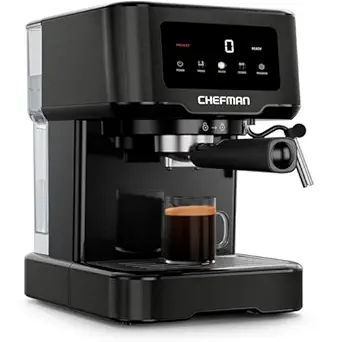
Chefman CraftBrew Digital Espresso Machine with Steam Wand
Most cheap espresso machines quietly punish you with vague maintenance needs, and the Chefman CraftBrew stands out for solving that. Its automatic descaling alert tells you exactly when the machine needs care — a feature the CASABREWS 3700 Essential and XIXUBX both leave entirely to guesswork. The touch controls and programmable shot timer also let you dial in a repeatable volume, so your morning double tastes the same every day rather than depending on your reflexes at the switch.
The tradeoff is the 15-bar pump, which sits below the 20-bar systems on the Arecovas and CASABREWS. In practice that means slightly less aggressive extraction, and espresso purists chasing maximum crema may notice the difference. Manual cleaning and a 120-volt-only power design round out a machine that prioritizes convenience over raw brewing muscle.
Pros:- Automatic descaling alert removes maintenance guesswork
- Touch controls and timer deliver repeatable shot volumes
- Steam wand handles lattes and cappuccinos
- Removable 1.5-liter tank is the largest in this batch
Cons:- 15-bar pump is lower than competing 20-bar models
- Requires full manual cleaning and descaling despite the alert
Best for: Busy households that want repeatable shots with the least amount of upkeep guesswork
Not ideal for: Espresso enthusiasts chasing maximum crema and pressure-driven extraction — the 15-bar pump underperforms the 20-bar alternatives here
- Machine type:Espresso machine
- Operation mode:Semi-automatic
- Pump pressure:15 bar
- Water tank capacity:1.5 liters
- Wattage:1350 watts
- Included shot baskets:Single and double
- Special feature:Built-in steam wand
Our verdict“This pick makes the most sense for buyers who value consistency and easy upkeep over cutting-edge extraction power.”
Ihomekee Espresso Machine, 3.5 Bar Espresso and Cappuccino Machine (Red)
The Ihomekee is the cheapest way into milk-based coffee at home, and it owns that role honestly. Its single-switch operation makes it the friendliest machine in this lineup for someone who has never pulled a shot — compare that to the CASABREWS 3700, whose semi-automatic workflow expects you to learn dose, tamp, and steam timing. It heats in about 90 seconds, faster than most of the larger machines here, and the cheerful red body weighs under five pounds, so it can live in a dorm, an RV, or a studio corner.
The honest tradeoff is the 3.5-bar pressure system, which produces something closer to strong moka-pot coffee than true espresso. Where the Arecovas hits 20 bars with PID temperature control, the Ihomekee relies on steam pressure alone. The 240 ml carafe capacity also caps you at small servings.
Pros:- Heats up in roughly 90 seconds
- Genuinely one-switch operation with no learning curve
- Ultra-compact and lightweight at 4.7 pounds
- Built-in milk frother for the price of a basic coffee maker
Cons:- 3.5-bar pressure falls far short of true espresso extraction
- 240 ml capacity limits servings to small drinks
Best for: Students, dorm dwellers, and first-time buyers who want cappuccino-style drinks for minimal money
Not ideal for: Anyone who wants authentic 9-bar espresso extraction with real crema — the 3.5-bar system can’t produce it
- Pressure:3.5 bar
- Capacity:240 ml
- Cup capacity:1-4 cups
- Dimensions:7.4″D x 10.6″W x 13.3″H
- Weight:4.7 lbs
- Operation mode:Fully automatic
- Special features:Cup warmer, milk frother, portable design
Our verdict“Choose this if absolute low cost and simplicity matter more than authentic espresso quality.”
Arecovas Espresso Machine with Touchscreen and Milk Frother
Temperature stability is what separates drinkable espresso from great espresso, and the Arecovas is the only machine in this batch that addresses it directly. Its PID control with dual NTC sensors holding ±2°C means water hits the coffee at the same temperature every shot — the CASABREWS 3700 and Chefman CraftBrew offer no comparable regulation, so their extraction can drift as the boiler cycles. The touchscreen and dedicated Americano setting add one-touch convenience for black-coffee drinkers who still want espresso-based brewing.
Compromises exist. The 1.2-liter tank is the smallest of the semi-automatic options here, so you’ll refill more often, and the 5.2-inch width means a cramped workspace around the portafilter. Ground-coffee-only input and semi-automatic operation still put the work of dosing and tamping on you.
Pros:- PID temperature control with dual sensors keeps shots consistent within ±2°C
- Dedicated Americano brew option adds versatility
- 20-bar pump supports proper espresso extraction
- Compact stainless steel body with easy shot programming
Cons:- Smallest water tank among the semi-automatics here at 1.2 L
- Narrow chassis makes the brewing area feel cramped
Best for: Flavor-focused home baristas who want shot-to-shot temperature consistency without a semi-pro machine price
Not ideal for: Households brewing for several people back-to-back — the 1.2 L tank forces frequent refills
- Type:Semi-automatic espresso machine
- Pressure:20 bar
- Wattage:1300 watts
- Temperature control:PID algorithm with dual NTC sensors; ±2°C
- Water tank capacity:1.2 L (41 oz)
- Brew options:Single shot, double shot, Americano
- Housing:Stainless steel
Our verdict“The strongest choice in this lineup for buyers who care most about extraction quality and temperature repeatability.”
CASABREWS 3700 Essential Stainless Steel Espresso Machine with Steam Wand
The CASABREWS 3700 Essential earns the top spot by getting the fundamentals right without a weak link. Its 20-bar pump and 1350W heating deliver proper espresso extraction, the steam wand produces micro-foam fine enough for latte art, and the near-44-ounce removable tank means fewer refills than the Arecovas and its 1.2-liter reservoir. The stainless steel finish also looks at home in an office kitchen in a way the bright red Ihomekee never will.
Where it falls short of the Arecovas is precision: there’s no PID temperature control and no pressure gauge, so you’re brewing by feel and timing rather than data. Beginners should also expect a genuine learning curve — the first-use setup cycle and milk-steaming technique both take practice before drinks taste right. Compared to the Chefman, you give up the descaling alert for stronger extraction.
Pros:- 20-bar pump delivers richer espresso extraction than 15-bar rivals
- Steam wand creates micro-foam suitable for latte art
- Large 43.9 oz removable tank supports multiple rounds of drinks
- Stainless steel build suits both kitchen and office settings
Cons:- No pressure gauge or PID temperature feedback
- Real learning curve on dosing, tamping, and milk steaming
Best for: Home or office users who want genuine 20-bar espresso and milk drinks in one balanced, presentable machine
Not ideal for: Complete beginners who want zero learning curve — the manual workflow and steaming technique take real practice
- Model:3700 Essential
- Operation mode:Semi-automatic
- Pump pressure:20 bar
- Wattage:1350 W
- Water tank capacity:43.9 oz removable
- Material:Stainless steel
- Filters:Stainless steel one-cup and two-cup
Our verdict“The most complete package here for buyers balancing extraction quality, capacity, and counter presence at a budget price.”
XIXUBX Espresso Machine with Milk Frother, Stainless Steel
What makes the XIXUBX interesting isn’t the machine alone — it’s that a stainless steel frothing pitcher comes in the box. Every other machine here assumes you already own one, and buying one separately quietly erodes the savings of a cheap espresso setup. The 360° rotating, detachable steam wand is also a genuine cleaning win: it detaches for rinsing in a way the fixed wands on the Ihomekee and CASABREWS don’t, which matters if you froth milk daily.
The 42-ounce tank keeps it competitive with the CASABREWS for serving capacity, but the machine itself is more anonymous — there’s no temperature regulation like the Arecovas offers, no descaling alert like the Chefman, and milk texturing is entirely manual. It’s a solid core package that leans on its included accessories rather than standout engineering.
Pros:- Includes a stainless steel milk frothing pitcher in the box
- 360° rotating, detachable steam wand simplifies cleaning
- 42 oz tank supports several servings per refill
- Compact footprint works in small kitchens
Cons:- No temperature control or maintenance alerts
- Entirely manual milk frothing with a learning curve
Best for: First-time espresso buyers who want a complete starter kit without shopping for a frothing pitcher separately
Not ideal for: Buyers who want guided features like descaling alerts or temperature control — this machine offers neither
- Pump pressure:20 bar
- Water tank capacity:42 oz
- Steam wand:360° rotating, detachable
- Body material:Stainless steel
- Included accessory:Stainless steel milk frothing pitcher
- Warranty:1 year
Our verdict“A sensible pick when you want everything needed for milk drinks on day one, provided you accept a plainer feature set.”

How We Picked
My ranking logic starts with one question: how close does this machine get to real espresso for the money? That meant prioritizing pump pressure above all — a 20-bar or even 6-bar pump system extracts oils and produces crema in a way that steam-driven 3.5-bar machines simply cannot match, no matter how polished their exterior looks. I then weighed milk frothing capability, because most buyers in this range want cappuccinos and lattes, and a weak steam wand is the most common disappointment at this price point.
Beyond that, I evaluated build quality, ease of cleaning, warm-up time, and footprint. Machines with stainless steel boilers and removable drip trays ranked higher than all-plastic rivals with identical internals. I also factored in versatility — cold brew capability, digital controls, and dual-shot support earned bonus consideration. Finally, I penalized models that duplicate another pick’s exact platform without offering a clear advantage, which is why several near-identical 3.5-bar machines are separated mostly by design and ergonomics rather than raw performance.
Factors to Consider When Choosing Cheap Espresso Machine
Before choosing a machine from this list, it helps to understand what actually drives performance and satisfaction at the budget end of espresso. These are the factors that separated the top picks from the rest — and the mistakes that leave buyers disappointed.Steam Pressure vs. Pump Pressure
This is the single most misunderstood spec in budget espresso. Machines advertised at 3.5 or 4 bars are steam-driven: they force hot water through coffee using boiler pressure, similar to an electric moka pot. The result is rich, strong coffee, but the crema is thin and shots lack the syrupy body of true espresso. Pump machines rated 15 to 20 bars — like the AYCHIRO in this lineup — extract at proper pressure and produce genuine crema. The mistake buyers make is assuming higher wattage equals better espresso; an 800W steam machine will never match a lower-wattage pump machine for shot quality. If authentic espresso is your goal, a pump machine is non-negotiable. If you mostly drink milk-heavy drinks, a steam machine’s limitations matter far less.
Steam Wand Quality
Almost every machine on this list includes a steam wand, but they are not equal. The difference between microfoam and soap bubbles determines whether you can make a proper cappuccino or just hot milk with large bubbles on top. Wands with adjustable angle and decent pressure — like those on the CASABREWS and AYCHIRO — can stretch milk properly for latte art. Entry-level wands on 3.5-bar machines often sputter and produce dry, Styrofoam-like foam. A common mistake is buying based on the presence of a wand rather than its capability. If frothed milk drinks are your priority, prioritize machines where the wand is a highlighted feature with metal construction, not an afterthought plastic tube.
Build Materials and Longevity
At this price, housing material is a reliable proxy for durability. Stainless steel bodies — like the CASABREWS 3700 and the stainless XIXUBX — resist heat warping and typically house better internal components than glossy plastic shells. That said, plastic isn’t disqualifying: the IMUSA aluminum stovetop maker will outlive most electric machines here because it has no pump, boiler, or electronics to fail. The real question is what can break and how expensive is the machine to replace. A cheap plastic pump machine that dies in eighteen months is worse value than a slightly pricier steel one that lasts five years. Check whether the boiler, portafilter, and drip tray are metal or plastic before deciding.
Counter Space and Capacity
Compact machines dominate this category for a reason: most budget buyers have small kitchens, dorms, or offices. But compact size creates real tradeoffs. Tiny boilers mean longer waits between brewing and steaming, smaller drip trays need emptying daily, and short wand clearance forces you to use small milk pitchers. The 4-cup steam machines here are genuinely apartment-friendly, while the Chefman and Arecovas take noticeably more space for their digital controls. Measure your counter and cabinet height before buying — many budget machines won’t fit under standard cabinets with the portafilter locked in. If you brew for two people regularly, a larger reservoir saves more hassle than any feature upgrade.
Digital Controls vs. Simplicity
Touchscreens and digital displays, like those on the Arecovas and Chefman CraftBrew, add programmable shot volumes and temperature readouts that help consistency. But they also add cost and potential failure points — a failed display board often totals the machine, whereas a mechanical dial machine can run for a decade. Beginners sometimes assume digital means easier, when in fact a simple two-dial machine teaches you the fundamentals of grind, dose, and extraction faster. My advice: choose digital controls only if you want repeatable one-touch convenience, and choose manual controls if you want to learn the craft. For a first machine, simplicity usually wins.
When to Skip Electric Entirely
The stovetop moka pot deserves more respect than it gets in espresso conversations. It produces strong, concentrated coffee with a bold flavor that many people prefer over thin steam-machine shots, it costs a fraction of any electric option, and it will never need descaling or a replacement pump. The tradeoffs are no crema, no milk frothing, and hands-on attention on the stove. If your actual goal is strong coffee at minimal cost rather than replicating a café shot, a moka pot is the honest answer. It’s also the perfect low-risk way to discover whether you even like espresso enough to upgrade later.
Frequently Asked Questions
Can a 3.5-bar espresso machine make real espresso?
Not technically. True espresso requires roughly 9 bars of pressure at the coffee puck, which steam-driven 3.5-bar machines cannot achieve. What they produce is closer to strong moka-style coffee — rich and concentrated, but with minimal crema and a different mouthfeel. That said, if you drink lattes or cappuccinos where milk dilutes the shot, the difference is barely noticeable in the final cup. If you drink straight espresso or want to learn shot dialing, only a pump machine like the AYCHIRO 20-bar or Reemix 6-bar in this lineup will deliver the real thing. This is why my rankings place pump machines above steam machines for espresso purists.
Is a cheap espresso machine worth it, or should I save for a mid-range model?
It depends on what you’re brewing now. If you’re replacing daily café visits with milk-based drinks, even a 3.5-bar machine pays for itself quickly and the quality gap matters less. But if you want straight shots with proper crema, budget steam machines will frustrate you, and saving for a true pump machine is the better path. One hidden cost most buyers forget: the grinder matters more than the machine. Pre-ground coffee will undermine any espresso machine at any price, so factor a decent burr grinder into your budget. Within this list, the AYCHIRO and CASABREWS offer the most headroom before you’d feel the need to upgrade.
What’s the difference between the similar-looking 3.5-bar machines in this roundup?
Several models here — the KEENSTAR, SHARDOR, Ihomekee, and compact XIXUBX — share essentially the same 800-watt, 3.5-bar steam platform, so brewing performance is nearly identical. The differences come down to steam wand ergonomics, carafe style and capacity, control layout, and finish quality. Some have better clearance under the wand for taller cups, others have more durable-feeling knobs or easier-to-clean drip trays. I ranked them based on those usability details rather than pretending the internals differ. If two of them look identical to you, pick the one with the better warranty and the look you prefer — you won’t taste the difference.
Do I need a milk frother if I mostly drink black espresso?
No, and paying for a steam wand you never use is wasted budget. If you drink straight shots or Americanos, you can prioritize pressure quality and build materials instead — which is an argument for the Reemix 6-Bar or even the IMUSA stovetop maker over wand-equipped rivals. Frothers also add cleaning obligations: milk residue inside a wand goes rancid quickly and affects every subsequent drink if not flushed after use. That said, wands add flexibility for guests or evolving tastes. My suggestion is to be honest about your actual habits, because the most common regret I see described in this category is buying frothing capability that collects dust.
How much maintenance do budget espresso machines need?
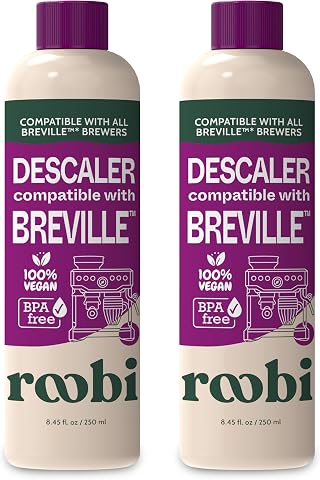
More than most buyers expect, and skipping it is the fastest way to kill a cheap machine. You should descale every one to three months depending on water hardness, since mineral scale is the top killer of budget boilers and pumps. Steam wands need wiping and purging immediately after each use, and the drip tray and water tank should be washed weekly to prevent mold. The advantage of the simplest machines here — especially the stovetop IMUSA — is that there’s almost nothing to maintain. Machines with digital controls and internal tubing, like the Chefman and Arecovas, demand the most consistent care. Budget for descaling solution as an ongoing cost of ownership.
Conclusion
Matching the right machine to your habits matters more than any single spec on this list. For the best overall balance of pressure, frothing, and control, the AYCHIRO 20-Bar with its pressure gauge is my top recommendation — it’s the one machine here that can produce genuine espresso. For best value, the IMUSA stovetop maker delivers the most flavor per dollar with nothing to break, while the CASABREWS 3700 takes the value crown among electric machines thanks to its stainless build and capable steam wand. Beginners who want a forgiving, no-technique-required start should go with the KEENSTAR or SHARDOR 3.5-bar machines — cheap enough to experiment on, simple enough to master in a week. For a step-up premium feel within the budget category, the Chefman CraftBrew’s digital controls and the Arecovas touchscreen offer one-touch convenience for busy mornings. And for specific needs: the Reemix 6-Bar suits espresso drinkers who skip milk drinks, the XIXUBX Cold Brew model handles iced coffee lovers, and the compact Ihomekee in red fits tiny spaces with personality. Whatever you choose, remember that fresh, properly ground coffee will improve your cup more than any upgrade in this price range.
Fall Picks
fall essentials
As an affiliate, we earn on qualifying purchases.