For a holiday table that needs one bottle to carry the meal from the first toast to dessert, I would start with Moët & Chandon Impérial Brut: its Champagne style is the most flexible match across this lineup. Duckhorn Napa Valley Chardonnay is my choice for seafood or creamy poultry dishes, while Caymus Cabernet Sauvignon suits a richer red-wine centerpiece. The tradeoff is clear: these bottles take distinct approaches to the table, from celebratory bubbles and oak-rich white wine to full-bodied reds, and the Yours nonalcoholic sampler adds a lower-alcohol option with up to 0.5% ABV per bottle. I ranked them by how well their described style, pairing range, and format fit common holiday occasions.

Get kitchen staples and gadgets delivered free with Prime
- Fast, free delivery on millions of items
- Prime Video, Amazon Music and more included
- Member-only deals all year
Key Takeaways
- Moët & Chandon Impérial Brut earns the most versatile role here, pairing across appetizers, seafood, white meats, and dessert.
- Duckhorn Chardonnay is the richest white in this group, making it a better fit for butter and cream sauces than for drinkers seeking a lighter Chardonnay.
- Caymus Cabernet Sauvignon is the bold Napa red for dark fruit and cocoa flavors; its vintage may vary.
- Upper Left Syrah gives savory dishes a peppery, tobacco-tinged red option, though its 14.1% ABV may not suit everyone.
- Yours Non-Alcoholic Wine Sampler provides four styles for guests avoiding most alcohol, but each wine may contain up to 0.5% ABV and the sampler contains sulfites.
| Moët & Chandon Impérial Brut, 750 ml | 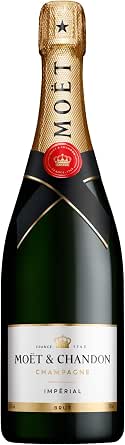 | Best Overall Holiday Wine | Brand: Moët & Chandon | Type: Champagne | Style: Brut | VIEW LATEST PRICE | See Our Full Breakdown |
| Duckhorn Vineyards Napa Valley Chardonnay White Wine, 750 mL |  | Best for Rich Seafood and Poultry | Wine type: Chardonnay | Region: Napa Valley, USA | Bottle size: 750 mL | VIEW LATEST PRICE | See Our Full Breakdown |
| Caymus Vineyards Cabernet Sauvignon Red Wine, 750 mL |  | Best for a Bold Holiday Red | Brand: Caymus Vineyards | Varietal: Cabernet Sauvignon | Origin: Napa Valley, California, USA | VIEW LATEST PRICE | See Our Full Breakdown |
| Yours Non-Alcoholic Wine Sampler, Red and White, 4 Bottles |  | Best for a Mixed Table Seeking Very Low Alcohol | Wines: Red Blend, Cabernet Sauvignon, Chardonnay, and Sauvignon Blanc | Pack size: 4 bottles | Bottle size: 750 mL each | VIEW LATEST PRICE | See Our Full Breakdown |
| Upper Left Syrah Red Wine, 750 mL |  | Best for Savory Food Pairings | Varietal: Syrah (Shiraz) | Wine type: Red wine | Region: Columbia Valley, Washington State | VIEW LATEST PRICE | See Our Full Breakdown |
| holiday wine | Bottle size | Suggested pairings |
|---|---|---|
| Moët & Chandon Impérial Brut | — | Sushi, oysters, white meats, and desserts |
| Duckhorn Vineyards Napa Valley | 750 mL | Lobster, fish, shrimp, chicken, or pork with butter and cream sauces |
| Caymus Vineyards Cabernet Sauv | 750 mL | — |
| Yours Non-Alcoholic Wine Sampl | 750 mL each | — |
| Upper Left Syrah Red Wine | 750 mL | Tomato sauce ravioli, barbecue ribs, or mushroom risotto |
More Details on Our Top Picks
Moët & Chandon Impérial Brut, 750 ml
I put Moët & Chandon Impérial Brut first because its described pairing range covers more of a holiday gathering than any other bottle here. The listing presents it as suitable from aperitif through dessert, with examples including sushi, oysters, white meats, and desserts. That breadth makes it the easiest choice when one bottle needs to work across changing plates and guests, while Duckhorn Chardonnay is more specifically geared to butter-and-cream preparations and the reds call for heartier dishes. Its role is celebratory and flexible rather than a narrow food match.
The product description emphasizes bright fruitiness, an appealing palate, and maturity, and notes the house Champagne’s history. The supplied information does not give grape composition, dosage, aging details, or nutritional and ingredient information, so I would not infer a precise flavor profile beyond the stated notes. That gap matters to buyers who want technical detail before choosing a Champagne. Still, among these five, the combination of sparkling-wine occasion and broad pairing suggestions gives it the strongest all-purpose holiday case. It is less suited to someone who specifically wants a still wine or a bottle with detailed production information.
Pros:- Champagne format fits a holiday toast and celebratory service.
- Described as pairing with foods from oysters and sushi to white meats and desserts.
- The stated range can cover more courses than the red and white wines in this selection.
Cons:- Listing provides little nutritional or ingredient detail.
- The supplied description offers fewer technical production specifics than the Duckhorn Chardonnay listing.
Best for: Hosts who want a Champagne for a toast and a range of courses, from appetizers to dessert.
Not ideal for: Buyers seeking a still wine, detailed ingredient and nutrition information, or a focused match for a single rich main course.
- Brand:Moët & Chandon
- Type:Champagne
- Style:Brut
- Volume:750 ml
- Described profile:Bright fruitiness and an elegant, mature palate
- Suggested pairings:Sushi, oysters, white meats, and desserts
- Suggested serving role:Aperitif through dessert
- Listing detail:Nutritional and ingredient information is limited
Our verdict“Choose Moët & Chandon Impérial Brut when one celebratory bottle needs to span the most holiday courses.”
Duckhorn Vineyards Napa Valley Chardonnay White Wine, 750 mL
Duckhorn is my pick when the holiday menu leans toward lobster, fish, shrimp, or poultry served with butter or cream. The stated pairing advice is more specific than Moët’s broad course-spanning role, and the winemaking details point to a rich Chardonnay style: most of the wine is barrel fermented, it spends ten months in French oak, and lees stirring contributes to the described complexity. For a creamy main course, that fuller approach gives it a clearer purpose than the Sauvignon Blanc or the sparkling wine in this selection.
Its breadth of vineyard sources across Carneros, Oak Knoll, Saint Helena, and Atlas Peak is another distinction, but the buyer-facing tradeoff is weight. The listing explicitly says this style may not suit people who prefer lighter-bodied Chardonnay. I would skip it for a menu built around delicate flavors or for guests who want a crisp, restrained white. Compared with the reds, it is the obvious white-table option; compared with Moët, it offers more detailed production information but a narrower pairing identity. That makes it an excellent food-led choice, not the most universal bottle here.
Pros:- Stated pairings suit seafood, poultry, and pork in rich sauces.
- Ten months of French oak aging and lees stirring support the described richer style.
- Sourcing spans several Napa Valley vineyard areas.
Cons:- The rich style may not appeal to fans of lighter Chardonnay.
- Its food-led profile is less broadly positioned than the Champagne pick.
Best for: Hosts serving seafood, chicken, or pork with butter or cream sauces who prefer a richer Chardonnay.
Not ideal for: Drinkers who favor light-bodied Chardonnay or a crisp white for delicate dishes.
- Wine type:Chardonnay
- Region:Napa Valley, USA
- Bottle size:750 mL
- Vineyard areas:Carneros, Oak Knoll, Saint Helena, and Atlas Peak
- Fermentation:95% barrel fermented; 5% stainless steel
- Barrel aging:10 months in 100% French oak
- Oak composition:40% new, 30% second vintage, 30% neutral French oak
- Suggested pairings:Lobster, fish, shrimp, chicken, or pork with butter and cream sauces
Our verdict“Choose Duckhorn for a holiday meal built around seafood or poultry with a creamy sauce.”
Caymus Vineyards Cabernet Sauvignon Red Wine, 750 mL
Caymus is the lineup’s bold red for people who want a Napa Cabernet centered on ripe dark fruit, cocoa, and cassis. The description attributes its color and ripe, velvety tannins to extended hang time and notes fruit from eight Napa Valley sub-appellations. At a holiday table, that stated profile points toward a substantial red-wine role, quite different from the brighter, peppery Syrah below it and the Champagne at the top of the ranking. If the centerpiece calls for a dark-fruited Cabernet, Caymus is the most direct match among these five.
The supplied details focus on origin and flavor, but they do not specify a particular vintage, and the listing says the vintage may vary. Buyers who want to select a specific harvest or compare vintage conditions should account for that uncertainty. It also has a narrower use than Moët: its identity is built around a red wine profile rather than the full spread of courses. I would choose it for Cabernet drinkers and a menu that can stand up to a ripe red, while guests who prefer lighter wines or a peppery savory style may find Upper Left more appealing.
Pros:- Napa Valley fruit is sourced across eight sub-appellations.
- Described with cocoa, cassis, and dark berry flavors.
- Extended hang time is associated in the description with ripe, velvety tannins.
Cons:- Vintage may vary, which limits vintage-specific selection.
- Its bold red-wine role is less flexible across courses than the Champagne.
Best for: Cabernet drinkers serving a substantial holiday meal who want Napa dark-fruit and cocoa notes.
Not ideal for: Buyers who need a guaranteed vintage or guests who prefer light, sparkling, or pepper-forward wines.
- Brand:Caymus Vineyards
- Varietal:Cabernet Sauvignon
- Origin:Napa Valley, California, USA
- Bottle size:750 mL
- Style:Red wine
- Fruit sourcing:Grapes from eight Napa Valley sub-appellations
- Described notes:Cocoa, cassis, and dark berries
- Vintage:May vary
Our verdict“Choose Caymus when a ripe, dark-fruited Napa Cabernet is the red centerpiece you want.”
Yours Non-Alcoholic Wine Sampler, Red and White, 4 Bottles
Yours earns a distinct place in this roundup because it gives a host four wine styles in one sampler, with each bottle listed under 0.5% ABV. The set includes a Red Blend, Cabernet Sauvignon, Chardonnay, and Sauvignon Blanc, so guests can choose between red and white styles instead of being offered one substitute. That variety is its main advantage over every single-bottle option here, particularly when a gathering includes people who avoid most alcohol. The description says these are made from real wine with alcohol gently removed and includes tasting and food-pairing suggestions.
The qualifier matters: under 0.5% ABV is not the same as zero alcohol, and the product information says each wine may contain up to that amount. The sampler also contains sulfites. Anyone who needs to avoid all alcohol or sulfites should read the product information carefully and decide whether it fits their needs. Compared with Moët, Yours is not positioned as the celebratory sparkling centerpiece; compared with Duckhorn, it offers more styles but less detail about winemaking and specific pairings. I rank it below the conventional wines for the broad holiday-wine promise, but it is the clearest choice for a multi-style, very-low-alcohol offering.
Pros:- Four bottles provide two red and two white styles for varied preferences.
- Each bottle is listed under 0.5% ABV.
- Made from real wine with alcohol gently removed, according to the description.
- Includes tasting and food-pairing suggestions.
Cons:- Each wine may contain up to 0.5% ABV, so it is not necessarily alcohol-free.
- Contains sulfites.
- The listing supplies less detailed production information than Duckhorn’s.
Best for: Hosts who want several dealcoholized red and white choices for guests avoiding most alcohol.
Not ideal for: People who require a strictly alcohol-free drink, or who need to avoid sulfites.
- Wines:Red Blend, Cabernet Sauvignon, Chardonnay, and Sauvignon Blanc
- Pack size:4 bottles
- Bottle size:750 mL each
- Alcohol content:Under 0.5% ABV each; may contain up to 0.5% ABV
- Origin:California reds and Chardonnay; Washington State Sauvignon Blanc
- Production description:Made from real wine with alcohol gently removed
- Contains:Sulfites
- Included guidance:Tasting and food-pairing suggestions
Our verdict“Choose the Yours sampler when variety and very low alcohol matter more than a conventional wine centerpiece.”
Upper Left Syrah Red Wine, 750 mL
Upper Left is the savory red in this group. Its Columbia Valley Syrah is described with dark cherries, fresh tobacco, black pepper, and a round finish; the suggested matches include tomato sauce ravioli, barbecue ribs, and mushroom risotto. That makes it more naturally tied to savory, robust dishes than the broadly positioned Moët, and it gives red-wine drinkers a different direction from Caymus’s cocoa, cassis, and dark berry emphasis. The eight months in American and neutral oak add context to the style, though the listing does not describe a precise level of oak flavor.
The stated 14.1% ABV is a relevant tradeoff for guests monitoring alcohol intake. Caymus may be the better fit for someone specifically seeking Napa Cabernet fruit, while Upper Left makes more sense when pepper and savory food are the draw. It is not the most flexible bottle for a multi-course table: the suggested pairings lean toward hearty dishes, and the non-vintage designation gives fewer vintage details for selection. I would put it on the table for a meal that suits Syrah’s savory side, rather than treating it as an all-purpose red.
Pros:- Dark cherry, tobacco, and black pepper notes distinguish it from Caymus Cabernet.
- Suggested pairings cover ribs, ravioli, and mushroom risotto.
- Aging combines American and neutral oak.
Cons:- The listed 14.1% ABV may not suit guests limiting alcohol.
- Suggested pairings focus on savory, substantial foods.
- The listing identifies it as non-vintage.
Best for: Guests who enjoy savory Syrah and are serving barbecue, tomato-sauce pasta, or mushroom dishes.
Not ideal for: People seeking a lower-ABV red, a Napa Cabernet profile, or a wine chosen to cover many unrelated courses.
- Varietal:Syrah (Shiraz)
- Wine type:Red wine
- Region:Columbia Valley, Washington State
- Vintage:NV
- Alcohol by volume:14.1%
- Aging:8 months in oak
- Oak composition:70% American oak and 30% neutral oak
- Bottle size:750 mL
- Suggested pairings:Tomato sauce ravioli, barbecue ribs, or mushroom risotto
Our verdict“Choose Upper Left Syrah for a peppery, savory red alongside hearty holiday dishes.”

How We Picked
I ranked these wines for the occasions implied by a holiday table: a toast, a shared meal, guests with different preferences, and pairings that span more than one course. The descriptions and specifications provided are the basis for my comparisons; I do not treat them as evidence of personal tasting or independent testing. I looked at style and serving role, the stated food pairings, alcohol information where supplied, and whether each option offers a clear reason to choose it over the others.
That approach puts Moët & Chandon first for its stated range from aperitif through dessert. Duckhorn follows as the specific pick for richer seafood and poultry preparations, while Caymus and Upper Left divide the red category by profile and occasion: the former emphasizes ripe dark fruit and cocoa, and the latter brings cherry, tobacco, and pepper alongside savory dishes. Yours stands apart as a four-bottle dealcoholized sampler, useful for a varied table where some guests want a wine-like choice with very little alcohol. Each bottle has limits, too: the information supplied flags variable vintage, rich Chardonnay weight, higher Syrah ABV, sulfites and residual alcohol in the sampler, or sparse product details for Champagne.
| holiday wine | Suggested pairings |
|---|---|
| Moët & Chandon Impérial Brut | Sushi, oysters, white meats, and desserts |
| Duckhorn Vineyards Napa Valley | Lobster, fish, shrimp, chicken, or pork with butter and cream sauces |
| Caymus Vineyards Cabernet Sauv | — |
| Yours Non-Alcoholic Wine Sampl | — |
| Upper Left Syrah Red Wine | Tomato sauce ravioli, barbecue ribs, or mushroom risotto |
Factors to Consider When Choosing Best Holiday Wines
I would choose a holiday wine by starting with the meal and the guests, then deciding whether the bottle needs to anchor one course or span several.Match the wine to the shape of the meal
For a gathering where guests move from snacks to dinner and dessert, Moët & Chandon Impérial Brut has the broadest stated pairing role in this comparison. Its suggested range includes oysters, sushi, white meats, and desserts. That makes it a practical choice when the menu is varied or the host wants sparkling wine for the opening toast. Duckhorn is a more targeted white: its rich Chardonnay profile is described for seafood, poultry, and pork with butter or cream sauces. The reds are more tied to hearty plates, with Caymus centered on a ripe Napa Cabernet style and Upper Left suggesting barbecue, tomato sauce, and mushrooms.
Think about the main dish before choosing a bottle for the whole evening. If it is delicate fish, a weighty red may dominate; if it is a cream-rich poultry dish, Duckhorn’s stated style has a direct rationale. For a table with many different courses, favor the sparkling option’s suggested range or serve more than one style if that suits the gathering.
Choose a red by flavor direction
Caymus and Upper Left both fill the red-wine role, but they do not make the same case. Caymus is a Cabernet Sauvignon described through cocoa, cassis, and dark berries, with ripe tannins. Upper Left is a Syrah with dark cherry, tobacco, and black pepper, plus pairings aimed at savory food. Choose Caymus if the dinner and guests call for a ripe, dark-fruited Napa Cabernet. Choose Upper Left when peppery notes and dishes such as ribs, mushroom risotto, or tomato-based pasta sound more appropriate.
The available information also differs. Caymus may arrive in a varying vintage, while Upper Left is listed as NV. Upper Left specifies 14.1% ABV; the supplied Caymus details do not give an ABV. If alcohol content is a deciding factor, do not assume values that are not listed—check the bottle or full product information.
Decide how much weight you want in a white wine
Duckhorn’s Chardonnay is deliberately described as rich, supported by ten months in French oak and lees stirring. Those details suit a meal with butter or cream sauce, where a fuller white can hold its place. That same character may feel too broad for a drinker who prefers light-bodied Chardonnay. The choice is less about which wine is universally better and more about whether richness is an asset at your table.
The lineup also includes a Chardonnay inside the Yours sampler, alongside a Sauvignon Blanc, Red Blend, and Cabernet Sauvignon. That set offers multiple styles in four bottles, but the supplied description does not provide the same detailed winemaking breakdown as Duckhorn’s listing. Choose Duckhorn for a single, food-led Napa Chardonnay; choose Yours when guests need options and very low alcohol is a priority.
Read low-alcohol information precisely
The Yours sampler is listed as under 0.5% ABV per bottle, with the caveat that each wine may contain up to 0.5%. It is made from real wine with alcohol gently removed, and it contains sulfites. That makes it a potential fit for people avoiding most alcohol who still want several wine styles. It does not establish that the wines are completely alcohol-free, so anyone who needs to avoid alcohol entirely should use the stated product information to make their choice.
For other bottles in this roundup, alcohol details are not consistently supplied. Upper Left lists 14.1% ABV, while the descriptions for Moët, Duckhorn, and Caymus do not include ABV figures here. If that information matters for you or your guests, verify the specific bottle rather than comparing on incomplete data.
Consider how much product detail you need
Some listings provide a more precise basis for comparison than others. Duckhorn specifies fermentation proportions, oak aging, and suggested dishes; Upper Left gives a non-vintage designation, ABV, and oak composition. The Yours listing identifies its four wines, origins, residual alcohol range, and sulfites. Caymus describes its fruit sourcing and flavor notes but says vintage may vary. The Moët description gives a broad pairing role and style notes, while nutritional and ingredient information is limited.
If you want to plan tightly around a vintage, alcohol figure, or ingredient detail, check the exact bottle or listing before ordering. When those details are less important than the serving role, choose by the distinctions that are supplied: bubbles for broad celebration, rich Chardonnay for creamy dishes, Cabernet for ripe dark fruit, Syrah for savory pepper, or the sampler for wine-style variety with very little alcohol.
Frequently Asked Questions
Which wine in this comparison is most versatile for a holiday meal?
Moët & Chandon Impérial Brut has the broadest stated pairing range, from sushi and oysters to white meats and desserts. I would favor it when the menu spans several courses or guests bring different dishes. Duckhorn Chardonnay is more specifically suited to rich seafood and poultry preparations, while the reds lean toward heartier food.
Which bottle should I choose for a rich seafood or poultry dish?
Duckhorn Napa Valley Chardonnay is the most directly matched option here for lobster, fish, shrimp, chicken, or pork in butter and cream sauces. Its described rich style and French oak aging give it a different role from the sparkling Moët. If you or your guests prefer lighter-bodied Chardonnay, the stated richness may make it a less suitable fit.
How do Caymus Cabernet and Upper Left Syrah differ?
Caymus is described with cocoa, cassis, dark berries, and ripe tannins, making it the Napa Cabernet choice for a dark-fruited red profile. Upper Left emphasizes dark cherry, tobacco, and black pepper, with suggestions such as ribs, mushroom risotto, and tomato sauce ravioli. Upper Left also lists 14.1% ABV, while Caymus’s supplied details do not give an alcohol figure and say the vintage may vary.
Is the Yours nonalcoholic sampler completely alcohol-free?
The listing says each wine is under 0.5% ABV and may contain up to 0.5%, so it does not establish that the wines are completely alcohol-free. The set includes two reds and two whites and contains sulfites. Anyone who must avoid all alcohol or sulfites should review the product information closely before choosing it.
Which of these wines works best when guests have different preferences?
For a single bottle, I would choose Moët & Chandon Impérial Brut because its stated pairings span several courses. If you want several styles on hand and very low alcohol is a priority, the Yours sampler supplies four different wines. These solve different hosting needs: one is a broadly paired Champagne, while the other is a multi-bottle dealcoholized selection with up to 0.5% ABV per bottle.
Conclusion
For a toast and a bottle that can follow a varied menu, I recommend Moët & Chandon Impérial Brut. Hosts serving seafood or poultry with butter and cream sauces should choose Duckhorn Chardonnay, while Cabernet drinkers planning a substantial red-wine meal will find the clearest match in Caymus. Pick Upper Left Syrah for peppery, savory notes with ribs, mushroom dishes, or tomato-based pasta. For guests avoiding most alcohol who want several styles to choose from, the Yours sampler offers four bottles under 0.5% ABV each; its residual alcohol caveat and sulfites matter to the decision. The best fit comes down to the menu, the guests, and whether you want one versatile bottle or a more specific pairing.