TL;DR

Get kitchen staples and gadgets delivered free — and shop member deals
- Fast, free delivery on millions of items
- Access to Prime Big Deal Days deals on October 6–7
- Prime Video, Amazon Music and more included
Choosing the right lunch box for your kid involves balancing safety, durability, and fun. Modern options include eco-friendly, insulated, and customizable designs that keep food fresh and make lunchtime exciting.
Imagine sending your kid to school with a lunch box that’s safe, sturdy, and makes them excited to eat. It’s not just about keeping food fresh—it’s about choosing a container that boosts healthy habits and makes mornings smoother.
There’s a world of options out there, from stainless steel classics to playful, character-themed boxes. This guide will help you navigate the choices, so you can pick a lunch box your child will love (and you’ll feel good about).
Choose BPA-free plastics or stainless steel for safety and durability.
Match lunch box size to your child’s appetite and age.
Prioritize features like compartments, insulation, and easy cleaning to make lunchtime enjoyable.
Eco-friendly options like stainless steel last longer and help reduce waste.
Proper packing and cleaning are key to keeping food safe and tasty.
What Makes a Lunch Box Safe and Kid-Friendly?
Safety starts with the materials. BPA-free plastics, stainless steel, and silicone top the list. These materials don’t leach harmful chemicals and are durable enough to handle daily drops.
For example, a stainless steel lunch box can last for years, resisting cracks and stains. Its non-reactive nature means it won’t absorb flavors or odors, which helps keep food tasting fresh over time. Plus, stainless steel is inherently resistant to bacteria and mold, making it a hygienic choice. The durability means fewer replacements, reducing waste and ongoing costs. However, it can be heavier than plastic, which might be a tradeoff for some parents. Leak-proof features matter too. Look for tight-sealing lids and secure clasps. Imagine your kid tossing their lunch in a backpack—without leak-proof seals, you risk messes and spoiled food. The right safety features prevent accidents and ensure your child’s lunch stays intact, encouraging healthier eating habits without the stress of spills or contamination.
As an affiliate, we earn on qualifying purchases.
How to Pick a Size That Fits Your Child’s Appetite
Size matters because a lunch box that’s too small can leave your child hungry and distracted during the day, while one that’s too large can be cumbersome and discourage proper use. Choosing the right size involves understanding your child’s age, activity level, and eating habits. For most school-aged children, a container holding about 8-12 cups of food—roughly 1.5 to 2 quarts—is appropriate. This size comfortably fits a sandwich, some fruit, a snack, and a drink without overwhelming the child or adding unnecessary weight. For younger children, smaller, compartmentalized boxes can help manage portion sizes and make it easier to organize different food types, encouraging a balanced diet. Conversely, older children with bigger appetites or those involved in sports might prefer larger or more flexible containers that accommodate hearty meals. The key is to strike a balance: enough capacity to satisfy their hunger but not so large that it becomes a burden to carry or leads to food waste. Proper sizing supports healthy eating habits and ensures your child’s lunch remains manageable and appealing.
Top 3 Features That Make Lunch Boxes Fun and Functional
Kids are more likely to enjoy and eat their meals if their lunch boxes are both fun and practical. Bright colors, popular characters, and customizable designs catch their eye and make lunchtime feel special. But beyond aesthetics, functionality plays a crucial role in encouraging healthy eating habits and convenience.
Here are the must-have features:
- Multiple compartments: These allow parents to pack a variety of foods without mixing flavors or textures, which can help kids try different foods and prevent sogginess or spoilage. For example, a separate section for fruit and snacks keeps everything fresh and appealing.
- Insulation: Insulation isn’t just about keeping food warm or cold; it also extends the freshness of ingredients, reduces the need for additional packaging, and minimizes waste. Proper insulation can make a significant difference in food safety and quality, especially for longer school days or outdoor activities.
- Ease of cleaning: A lunch box that’s dishwasher safe or simple to hand wash reduces the effort required to maintain hygiene. This encourages regular cleaning, which is essential for preventing bacteria buildup, odors, and mold, ultimately protecting your child’s health.
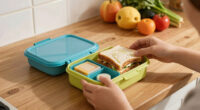
Imagine a bento-style box with three sections, each filled with colorful, fresh food—your kid’s lunchtime turns into a vibrant feast. When these features are combined with appealing design, they promote a positive mealtime experience and reinforce healthy eating habits.
Eco-Friendly Lunch Boxes: Do They Really Last?
Eco-friendly lunch boxes, such as those made from stainless steel or bamboo, are not only better for the environment—they often provide superior durability over traditional plastic options. Stainless steel, for instance, can withstand years of daily use without cracking, staining, or warping, making it a cost-effective choice in the long run. The durability means fewer replacements, which reduces waste and saves money, aligning with environmentally conscious values. Additionally, these materials are typically free from harmful toxins like BPA, phthalates, or lead, ensuring safer food contact. They are also resistant to bacteria and mold, which enhances hygiene and reduces the need for frequent replacements. Proper care, such as hand washing and avoiding drops from high heights, can extend their lifespan even further. Many parents find that switching to eco-friendly options not only minimizes environmental impact but also instills eco-conscious habits in their children—who often take pride in using a sleek, modern, and sustainable lunch box. This combination of durability, safety, and environmental benefits makes eco-friendly lunch boxes a practical and responsible investment for families aiming to reduce their ecological footprint.
Insulated Lunch Boxes: Are They Worth the Extra Buck?
Insulated lunch boxes serve a dual purpose: maintaining food at the desired temperature and enhancing safety by reducing bacterial growth that can occur if food remains at unsafe temperatures for too long. This is particularly important for perishable items like dairy, meats, or salads. The insulation creates a microclimate that keeps hot foods hot and cold foods cold for extended periods—sometimes up to several hours—allowing children to enjoy fresh-tasting meals even hours after packing. For instance, a hot pasta dish can stay warm for up to 4 hours with the right gel packs, making leftovers a viable option. Cold items, such as yogurt or fruit, stay chilled and fresh without melting or becoming soggy. While these boxes typically cost more—around $20-$30—they can significantly reduce food waste and the need for disposable packaging, saving money and reducing environmental impact over time. They also offer convenience, as parents don’t need to pack extra containers or worry about food safety. The investment pays off by ensuring that your child’s meals are not only tasty and appealing but also safe and nutritious, promoting healthier eating habits and peace of mind.
Comparison Table: Plastic vs. Steel vs. Insulated Lunch Boxes
| Feature | Plastic | Steel | Insulated |
|---|---|---|---|
| Durability | Moderate; can crack or stain over time, especially with rough handling | High; withstands drops and impacts, often lasting for years without damage | High; resists cracking and warping, maintains integrity over time |
| Safety | BPA-free plastics are common, but quality varies; check labels | 100% food-grade stainless steel, free from toxins, highly safe | Depends on materials; look for BPA-free and non-toxic insulation components |
| Cost | $10-$20 | $20-$40 | $20-$30 |
| Temperature Control | None; food can spoil if not eaten promptly | None; similar to plastic, unless combined with insulation | Yes, maintains hot or cold temperatures for hours |
| Design Variety | Wide range of colors and patterns, often customizable | Sleek, minimal designs; some customizable options | Varies; often customizable with different colors and patterns |
How to Keep Lunch Safe and Tasty All Day
- Use the right containers: Leak-proof, food-safe, and appropriately sized to prevent spills and contamination, ensuring the food stays fresh and secure during transport.
- Pack smart: Incorporate ice packs or thermal containers based on the type of food. Proper packing not only maintains temperature but also prevents crushing or mixing of different items, preserving taste and presentation.
- Seal tightly: Ensure lids and clasps are secure to avoid spills, especially when kids are on the move. Well-sealed containers reduce messes and prevent cross-contamination.
- Clean after each use: Regular washing with soap and water, or dishwasher cleaning if possible, eliminates bacteria, odors, and mold, safeguarding your child’s health and extending the life of the lunch box.
- Involve your kid: Teach them how to pack their lunch properly. When children take part in preparing their meals, they are more likely to eat everything and develop healthy habits, making lunchtime more engaging and enjoyable.
For example, prepping a cold pasta salad with a frozen gel pack and packing it in an insulated, leak-proof container ensures it arrives at school fresh and ready to eat. This routine minimizes stress and maximizes enjoyment, encouraging kids to eat well and stay healthy.
Frequently Asked Questions
What is the safest material for a kid’s lunch box?
Look for BPA-free plastics, stainless steel, or silicone. These materials are non-toxic, durable, and resistant to stains and odors, making them ideal for kids’ lunch boxes.
Are insulated lunch boxes worth it?
Yes, especially if your child eats later in the day or if you want leftovers to stay fresh. Insulated boxes keep food warm or cold for several hours, enhancing taste and safety.
How do I clean a lunch box properly?
Most are dishwasher-safe, but if not, hand wash with mild soap and warm water. Ensure all compartments and seals are thoroughly cleaned to prevent bacteria buildup and odors.
What size should I choose for my child’s lunch box?
Typically, 8-12 cups capacity suits most school-age children. Adjust based on your child’s appetite and whether they prefer a smaller or larger meal.
Are eco-friendly lunch boxes durable?
Many eco-friendly options like stainless steel or bamboo are highly durable and can last for years with proper care, making them a smart long-term investment.
Conclusion
Picking the right lunch box isn’t just about looks—it’s about safety, function, and making mealtime exciting. A well-chosen container can turn boring sandwiches into a colorful adventure and keep food fresh and safe until lunchtime.
So go ahead—invest in a lunch box that matches your child’s needs and personality. After all, the right box makes every lunchtime a small daily celebration.
Fall Picks
fall essentials
As an affiliate, we earn on qualifying purchases.