
🔍 Read the full analysis: Zuppa Di Farro: Spelt Soup From The Garfagnana on Mad Tasting

Get kitchen staples and gadgets delivered free with Prime
- Fast, free delivery on millions of items
- Prime Video, Amazon Music and more included
- Member-only deals all year
TL;DR
Zuppa di farro is a filling Tuscan soup of grain, beans, vegetables and herbs, particularly associated with the Garfagnana area of northern Tuscany. Garfagnana farro is generally identified as emmer, not necessarily the spelt suggested by some English-language labels; grain type and processing affect cooking time. The supplied source describes the dish and practical preparation, but does not report a new event or announcement.
Zuppa di farro, a substantial Tuscan soup of grain, beans and vegetables associated with the Garfagnana in northern Tuscany, is the subject of a practical cooking guide that stresses a key distinction for shoppers: regional farro is generally identified as emmer, not necessarily spelt. The source material offers cooking and ingredient guidance rather than reporting a new announcement or change to the dish.
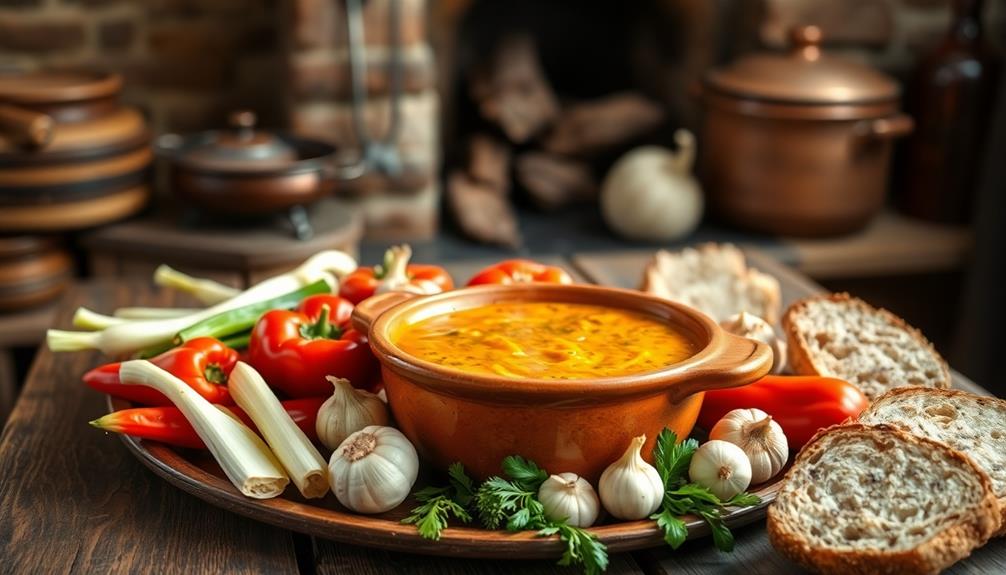
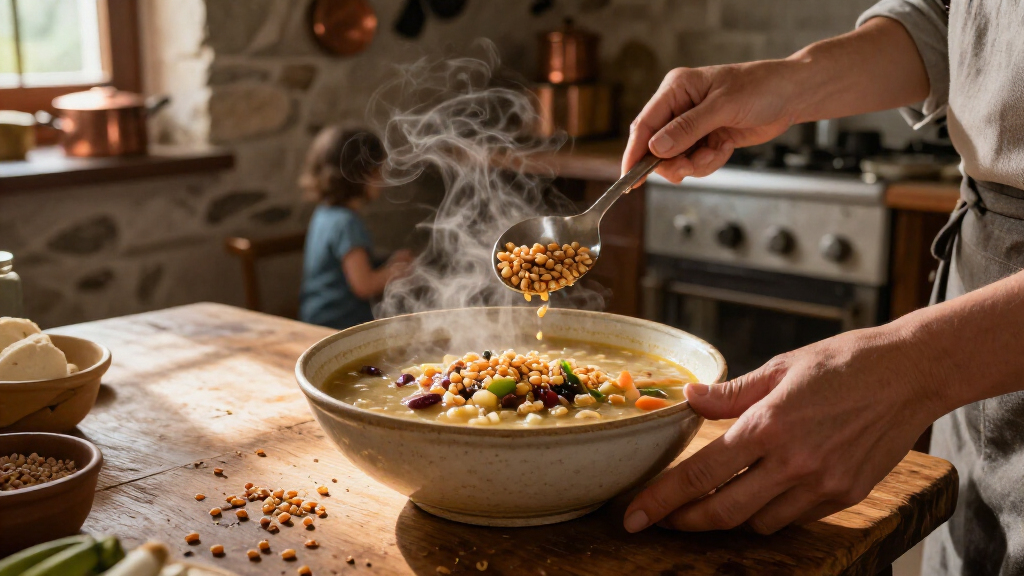
The soup combines farro with beans and a vegetable base typically built from onion, carrot, celery, garlic and tomato. Herbs such as rosemary add aroma. Beans soften in the broth and contribute starch, while the grain retains a chewy texture; together, those ingredients can make a filling meal from comparatively modest pantry staples. The guide describes the result as adaptable, with a thicker, grain-forward bowl or a looser soup served with bread.
There is no single definitive recipe in the account. Some cooks add potatoes for a softer, more filling broth; others keep the soup meat-free or use pancetta for a smoky, savory note. These variations change the flavor and texture, not whether the dish qualifies as zuppa di farro. A slowly cooked base gives the vegetables time to release sweetness before water or broth is added.
The guide advises checking both the grain species and its processing. Italian farro can refer to emmer, einkorn or spelt, depending on the product and region, while whole and pearled grains can cook at different rates. Package directions are the practical reference: taste a kernel near the end of cooking, add more liquid if needed, and continue until the center is no longer chalky.
Why the Grain Label Matters
The distinction matters because the English phrase “spelt soup” can misidentify the grain associated with the Garfagnana. The source describes the regional farro as generally emmer, another ancient hulled wheat. That does not mean a soup made with spelt cannot be enjoyable; it means the name on an English recipe may not specify the same grain as the regional product.
Species and processing also affect the cooking plan. Pearled farro, with much of its outer bran removed, generally cooks faster and can become softer. Whole kernels keep more of the outer layer, may benefit from soaking and can take longer to tenderize. If a cook follows timing intended for one kind while using another, the beans may soften well before the grain. Reading the package and tasting as it cooks are more reliable than assuming every bag labeled farro behaves alike.
For readers, this makes the guide useful both as a recipe outline and as a shopping clarification. Its central point is practical: choose the grain you want, understand what the label says, and adjust the cooking time rather than treating “farro” and “spelt” as interchangeable names.
Products Worth Considering

Le Creuset Alpine Enameled Cast Iron Fondue Set, 2.5 qt., Nuit

Vitamix 5200 Blender with 64 oz Container, Black

Vitamix 64 oz Low-Profile Blender Container with SELF-DETECT, BPA-Free
As an affiliate, we earn on qualifying purchases.
A Garfagnana Pantry Soup
The Garfagnana is a mountainous area in northern Tuscany, and the source links the soup’s hearty ingredients to cucina povera, or resourceful home cooking. Grain, beans and vegetables can provide a substantial meal without relying on large amounts of meat or rich dairy. In that account, patiently cooking everyday vegetables is part of building flavor from affordable ingredients.
For shoppers seeking a product specifically from the area, the source points to Farro della Garfagnana PGI. PGI, or Protected Geographical Indication, is an EU designation linking a product with a defined place and production requirements. The designation applies to that regional product; the word farro alone does not establish that a grain was grown in the Garfagnana. The guide does not give a detailed recipe with fixed quantities, so its approach is best read as a flexible method rather than a single authoritative formula.
Recipe Details Still Vary
The source does not give a dated news development, a single standardized ingredient list or fixed quantities and cooking times. It describes a family of preparations and says household choices vary, so readers should not treat one combination as the only traditional version. The grain in a particular product also cannot be confirmed from the word farro alone; shoppers may need to check the package or ask the seller.
The guide’s general identification of Garfagnana farro as emmer is not a guarantee about every product sold under a broad farro label. Nor does the source specify a single ratio of broth to grain, or whether beans should be cooked separately in every version. Those details depend on the product and method, and remain matters for the recipe or package instructions being followed.
Check the Grain and Cooking Time
For a home cook, the next step is to check the grain package for its species, processing and cooking directions, then choose a method that suits the planned meal. A cook using dried beans should prepare them according to their package guidance before adding them to the soup; canned beans offer a quicker option and can be added with attention to how long they need to heat through. Cook onion, carrot, celery and garlic gently, add tomato and herbs, then combine with beans, grain and liquid.
Cooking the grain directly in the broth lets it absorb the soup’s flavor, while cooking it separately gives more control over the broth, particularly for leftovers. Taste the grain before serving and add liquid if the pot has thickened more than intended. Refrigerate leftovers promptly in a covered container and reheat until steaming hot; the source does not provide a specific storage duration. No further announcement or event is identified in the material.
Key Questions
Is Garfagnana farro the same as spelt?
Not necessarily. The source says Garfagnana farro is generally identified as emmer. Italian farro can refer to emmer, einkorn or spelt, so check the product label rather than assuming the terms are interchangeable.
What ingredients are typical in zuppa di farro?
The soup is built around farro, beans and vegetables, often including onion, carrot, celery, garlic and tomato, with herbs such as rosemary. Potatoes or pancetta appear in some variations, but the source does not describe a single required recipe.
Can I make the soup with canned beans?
Yes. The source describes the recipe as flexible and suitable for dried or canned beans. Add canned beans with enough time to heat through, and follow package guidance when preparing dried beans.
Why do farro cooking times differ?
Both the grain species and processing matter. Pearled farro usually cooks faster than whole farro, which may benefit from soaking and can take longer. Follow the package directions and taste a kernel before serving.
Source: Mad Tasting