
🔍 Read the full analysis: Pasta Alla Gricia: The Ancestor Of Carbonara Deserves Its Own Night on Mad Tasting

Get kitchen staples and gadgets delivered free with Prime
- Fast, free delivery on millions of items
- Prime Video, Amazon Music and more included
- Member-only deals all year
TL;DR
Pasta alla gricia is a Lazio dish made with pasta, guanciale, Pecorino Romano, black pepper and starchy cooking water, without egg or tomato. It is often called carbonara’s ancestor, but that lineage and the dish’s precise origins are not established. The case for giving gricia its own place at the table rests on its distinct ingredients and preparation.
Pasta alla gricia, a classic associated with Italy’s Lazio region and the area around Amatrice, is being presented as a dish with an identity beyond its frequent billing as carbonara’s ancestor. Mad Tasting describes it as a pasta of guanciale, Pecorino Romano, black pepper and starchy cooking water, while cautioning that a direct historical link to carbonara is a popular story, not a settled fact.
Gricia’s defining combination is cured pork jowl, sheep’s-milk cheese and black pepper, mixed with pasta and some of its cooking water. It contains neither egg nor tomato, and traditional versions do not require cream. The cooking water helps bring the rendered pork fat and cheese together into a coating for the pasta rather than leaving them in separate greasy or clumped patches.
Mad Tasting’s account emphasizes that each ingredient has a distinct role: guanciale contributes savory fat, Pecorino Romano adds salt and sharpness, and pepper gives the dish warmth. The pasta water supplies starch to help the sauce cling. The feature recommends patience with the guanciale and care when combining the cheese and water; the short ingredient list leaves little room to hide stale cheese or hurried cooking.
The dish is sometimes called amatriciana bianca, or “white amatriciana,” because it shares ingredients with amatriciana but has no tomato. The source treats that label as a useful comparison rather than a complete definition. It also distinguishes gricia from carbonara, which typically includes egg, and cacio e pepe, which leaves out the pork.
Pasta alla Gricia deserves its own night
This Lazio classic has a distinct ingredient combination and technique. Its frequent label as carbonara’s ancestor is a popular story, not established history.
What makes gricia
Four ingredients build its character, with pasta water helping the sauce come together.
Guanciale
Cured pork jowl contributes savory fat to coat the pasta.
Pecorino Romano
Sheep’s-milk cheese adds salt and sharpness.
Black pepper
Adds warmth to the rich pork and cheese.
Starchy water
Helps fat and cheese form a coating instead of separating or clumping.
Related, but distinct
These broad descriptions help cooks see what sets each Lazio pasta apart.
| Dish | Defining difference |
|---|---|
| Gricia | Guanciale, Pecorino Romano and pepper; no egg or tomato |
| Carbonara | Typically includes egg |
| Amatriciana | Includes tomato |
| Cacio e pepe | Leaves out the pork |
A useful comparison
“White amatriciana” points to shared ingredients, but it does not fully define gricia.
- Gricia is associated with Lazio, especially the area around Amatrice.
- Its method brings rendered pork fat, cheese and pasta water together.
- A direct line from gricia to carbonara is unproven.
- Its precise origins and the name’s meaning are unsettled.
Gricia Beyond the Carbonara Comparison
For cooks, the distinction is practical as well as historical. Gricia offers a pork-and-cheese pasta without egg or tomato, with a sauce built from rendered fat, cheese and pasta water. That makes it more than a carbonara variation with an ingredient removed: the balance and method give it its own character.
The distinction also helps readers understand a familiar group of Lazio dishes without treating them as interchangeable. Carbonara typically brings egg to the sauce; amatriciana includes tomato; cacio e pepe centers on cheese and pepper without guanciale. These are broad descriptions, and household recipes can vary, but they give a useful starting point for deciding what to cook.
Giving gricia a night of its own does not require a firm origin story. Its value can be described through what is known about the dish: a concise ingredient list, a particular method and a flavor profile distinct from its better-known counterparts. That is a stronger claim than presenting an uncertain family history as fact.
Products Worth Considering

De'Longhi Stilosa Compact Manual Espresso Machine with Milk Frother

KitchenAid Go Cordless Hand Blender with Battery, KHBRV71
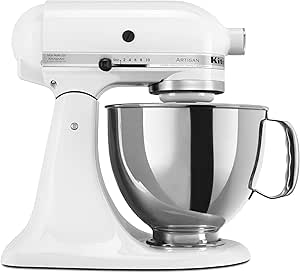
KitchenAid Artisan 5-Quart Tilt-Head Stand Mixer, White
As an affiliate, we earn on qualifying purchases.
How Gricia Relates to Lazio Pasta
Gricia is associated with Lazio, especially the area around Amatrice. It shares important ingredients with amatriciana, a regional specialty that includes tomato. The phrase “white amatriciana” captures that overlap, but gricia’s identity is not simply a tomato sauce with the tomato left out.
The connection to carbonara is also commonly made because both dishes pair cured pork with Pecorino Romano and black pepper. Carbonara typically adds egg, which changes the sauce’s texture. Gricia instead relies on the rendered pork fat, cheese and starchy water. The resemblance helps explain why people group the dishes together, but it does not establish which came first or prove a direct line of descent.
Stories linking gricia to shepherds and rural cooking describe how durable cured pork and hard cheese could serve as practical provisions. The feature presents such accounts as tradition rather than settled history. It also notes competing explanations for the name: a connection to Grisciano near Amatrice, or to the Roman word gricio, associated with bread sellers. Neither explanation is presented as definitive.
““The exact beginnings of gricia remain uncertain.””
— Mad Tasting
Origins and Ancestry Remain Unsettled
The source does not establish when gricia originated or whether it directly preceded carbonara. Calling it carbonara’s ancestor is common, but the shared ingredients alone do not prove that sequence. Accounts connecting the dish to shepherds are presented as tradition, and the two proposed explanations for its name remain disputed rather than confirmed.
The feature also does not provide a publication date or report a formal event, campaign or announcement behind the “own night” framing. It is a culinary feature making a case for recognizing the dish on its merits, not evidence of a new official observance. Recipes can vary in pasta shape and ingredient balance, so the distinctions offered are general guideposts rather than rules for every kitchen.
A Place at the Dinner Table
No event or scheduled next step is identified in the source. For readers, the immediate next step is a cooking choice: prepare gricia as its own dish, using guanciale, Pecorino Romano, black pepper and pasta water, rather than treating it as an incomplete carbonara or amatriciana.
When explaining its history, the careful wording is that gricia is often described as carbonara’s ancestor, but the direct connection is unproven. The feature offers no new historical evidence or forthcoming research that would settle that question. For now, the dish can be understood through its ingredients, technique and place among Lazio’s related pasta traditions.
Key Questions
What is pasta alla gricia?
It is a Lazio pasta dish made with guanciale, Pecorino Romano, black pepper and starchy pasta water. It contains no egg or tomato in the description provided by Mad Tasting.
Is gricia definitely the ancestor of carbonara?
No. Gricia and carbonara share cured pork, Pecorino Romano and black pepper, but the source says the direct historical link is a popular story, not a settled fact.
How is gricia different from carbonara and amatriciana?
Carbonara typically includes egg, while amatriciana includes tomato. Gricia has neither. All three have related ingredients, but those differences shape the sauce and flavor.
Why is pasta water used in gricia?
The starch in the cooking water helps combine the cheese with the fat released by the guanciale, forming a coating for the pasta instead of leaving the ingredients separated.
Where did the name gricia come from?
The origin is uncertain. Accounts connect it either to Grisciano near Amatrice or to the Roman term gricio, associated with bread sellers; the source does not identify either explanation as definitive.
Source: Mad Tasting