
🔍 Read the full analysis: Fig Season In Italy: Sweet And Savory Ways To Use Fresh Figs on Mad Tasting

Get kitchen staples and gadgets delivered free with Prime
- Fast, free delivery on millions of items
- Prime Video, Amazon Music and more included
- Member-only deals all year
TL;DR
Italy’s fig season runs from June to October, peaking in August and September. Fresh figs are best enjoyed immediately, either raw or in simple preparations, with a variety of sweet and savory uses. The season’s short window makes it highly anticipated for local markets and culinary traditions.
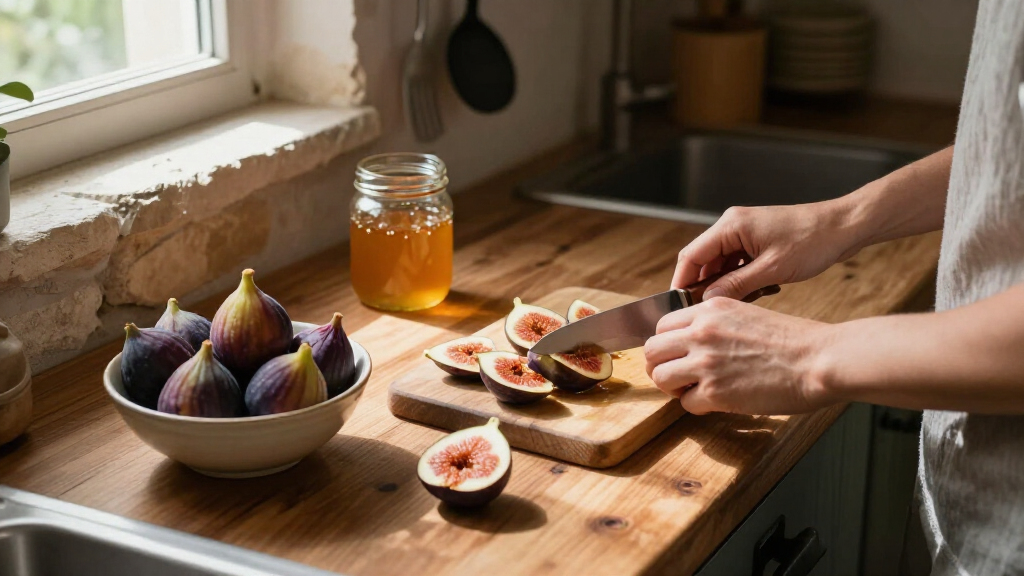
Italy’s fig season reaches its peak from August through September, bringing an abundance of fresh, tree-ripened figs to markets across the country. This short but highly anticipated period offers a unique opportunity for both locals and visitors to enjoy the fruit at its peak flavor, often with minimal preparation. Because figs barely ripen after picking, consumers are advised to select soft, fragrant specimens for immediate use, highlighting Italy’s emphasis on freshness and quality during this time.
The main harvest in Italy occurs between August and September, with a smaller early crop called fioroni appearing in June and early July. The southern regions such as Sicily, Calabria, and Puglia produce figs that can be available into October, while central Italy follows a similar pattern at higher elevations. Unlike many fruits, fresh figs do not ripen after picking, making early selection crucial. Italians prefer figs that are soft, fragrant, and slightly drooping at the neck, with a minor nectar bead indicating ripeness.
Italy cultivates numerous varieties, including the popular Dottato, with green skin and honeyed flavor, and the dark, intense Brogiotto Nero. These varieties influence how figs are eaten—either raw, baked, or preserved. The fruit’s delicate nature and quick spoilage mean that consumers should buy only ripe figs and use them within two to three days. For creative ideas on how to enjoy figs, see this collection of fig recipes. Proper storage involves refrigeration in a single layer, and rinsing just before consumption preserves quality. Learn more about versatile ways to prepare figs in this guide to fig uses.
Why Italy’s Short Fig Season Matters to Food Lovers
The short window of Italy’s fig season creates a sense of urgency and exclusivity, encouraging locals and tourists to indulge in peak freshness. Figs are integral to Italian cuisine, appearing in simple, authentic dishes such as prosciutto-wrapped antipasti, fresh cheese pairings, and traditional desserts like crostate and fig mostarda. The season also supports regional identities, with protected DOP varieties like Fico Bianco del Cilento and Fichi di Cosenza emphasizing local terroir and craftsmanship. For consumers, understanding the timing and varieties enhances appreciation of Italy’s culinary heritage and the importance of seasonal eating.
As an affiliate, we earn on qualifying purchases.
Italy’s Fig Cultivation and Regional Variations
Fig season in Italy is characterized by two main harvests: the early fioroni in June-July and the main crop from August to September. The southern regions, such as Sicily, Calabria, and Puglia, dominate fig production, with some varieties extending into October. These regions benefit from warm climates that promote tree-ripening, which is essential because figs do not ripen after harvest. The cultivation of specific varieties, like Dottato and Brogiotto Nero, is closely tied to regional traditions and protected designations, ensuring high-quality, locally distinctive products. Historically, figs have been a staple in Italian diets, used fresh or dried, and featured in festive and everyday dishes alike.
Uncertainties About Post-Harvest Ripening and Storage
It is not yet clear whether new techniques or varieties could allow figs to ripen or improve in shelf life after harvest, as current practices emphasize immediate consumption. Additionally, the impact of climate variability on the timing and quality of the harvest remains an open question, with some regions experiencing earlier or later seasons due to weather fluctuations. The extent to which consumers can or should store figs for longer periods without compromising flavor is also still being explored by producers and food scientists.
Upcoming Developments in Italy’s Fig Market and Culinary Use
As the season progresses, markets will showcase the peak of fig abundance, with local festivals and special dishes highlighting regional varieties. Producers and chefs are expected to experiment further with preservation methods, such as drying and making fig preserves, to extend the season’s enjoyment. Consumers are encouraged to buy ripe figs early in the season and explore traditional recipes that emphasize the fruit’s natural sweetness and delicate texture. The ongoing climate situation may also influence future harvests, prompting adaptation in cultivation and harvesting practices.
Key Questions
When is the best time to buy fresh figs in Italy?
The best time to buy fresh figs is during August and September, when the main crop is at its peak, and the fruit is abundant, sweet, and fragrant.
How should I select ripe figs at the market?
Choose figs that are soft, fragrant, and slightly drooping at the neck. Avoid those with mold, sour smells, or large wet patches. Ripe figs should yield gently to pressure and may have a small bead of nectar at the base.
Can I store figs for later use?
Yes, refrigerate ripe figs in a single layer and use within two to three days for optimal freshness. Rinse just before eating to preserve flavor and texture.
Are all figs suitable for eating raw?
Most Italian varieties are enjoyed raw, but some dried or processed types are better suited for cooking or baking. Fresh, tree-ripened figs are best eaten raw for their natural sweetness.
What are common traditional Italian fig dishes?
Traditional dishes include prosciutto-wrapped figs, fig crostate (tarts), and fig mostarda, a sweet and spicy preserve often served with cheeses and cured meats.
Source: Mad Tasting
Fall Picks
fall essentials
As an affiliate, we earn on qualifying purchases.