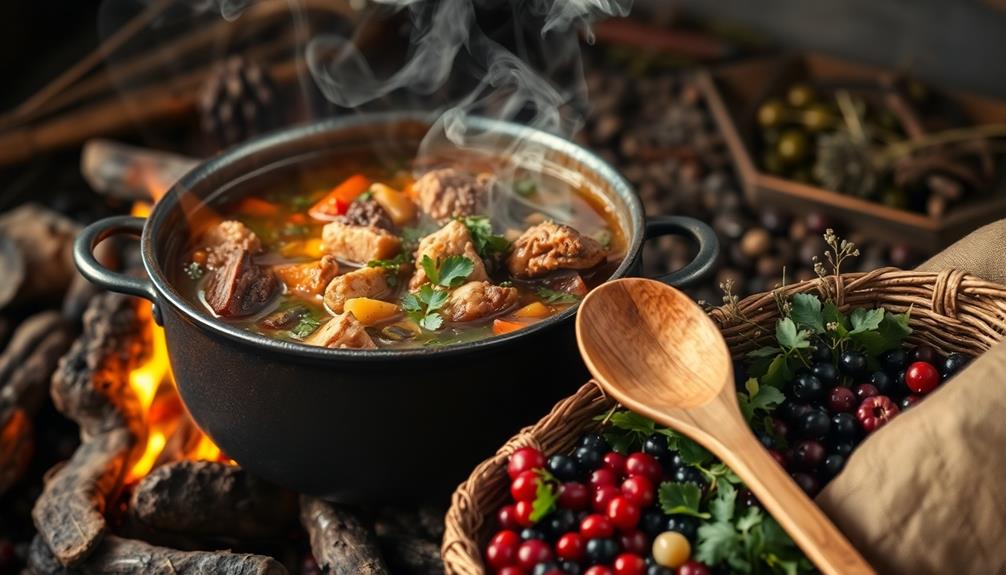
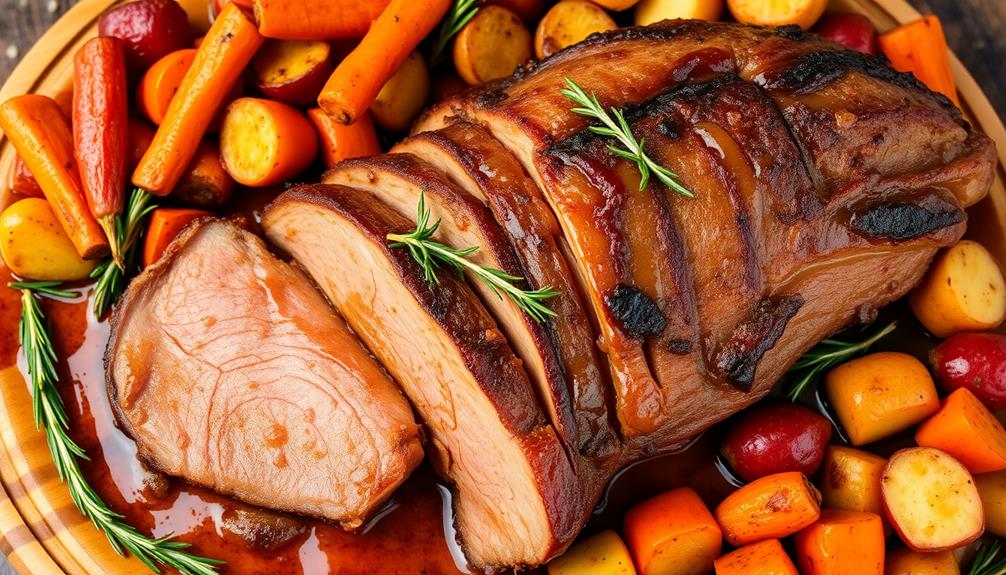
During ancient Roman New Year’s feasts, you’d experience grand banquets decorated with aromatic spices and roasted meats, reflecting social status. Guests recline on couches, enjoying multi-course meals, rituals, and entertainment like poetry or music. The event emphasizes renewal, community, and hierarchy through elaborate rituals, offerings, and shared wine. The layout and customs reinforce cultural values and social bonds. Want to learn more about how these festivities shaped Roman society and tradition? Keep exploring.

Get kitchen staples and gadgets delivered free with Prime
- Fast, free delivery on millions of items
- Prime Video, Amazon Music and more included
- Member-only deals all year
Key Takeaways
- Roman New Year’s feasts featured multi-course meals with roasted meats, seafood, and fruit, emphasizing abundance and celebration.
- Guests reclined on couches, dressed in fine attire, and participated in rituals like prayers and libations to gods.
- Entertainment such as poetry, music, and dance was integral, enhancing social bonds during the festivities.
- Offerings and blessings to gods underscored the religious significance of the New Year celebration.
- The banquet layout and courses reflected social hierarchy, showcasing wealth, status, and communal identity.
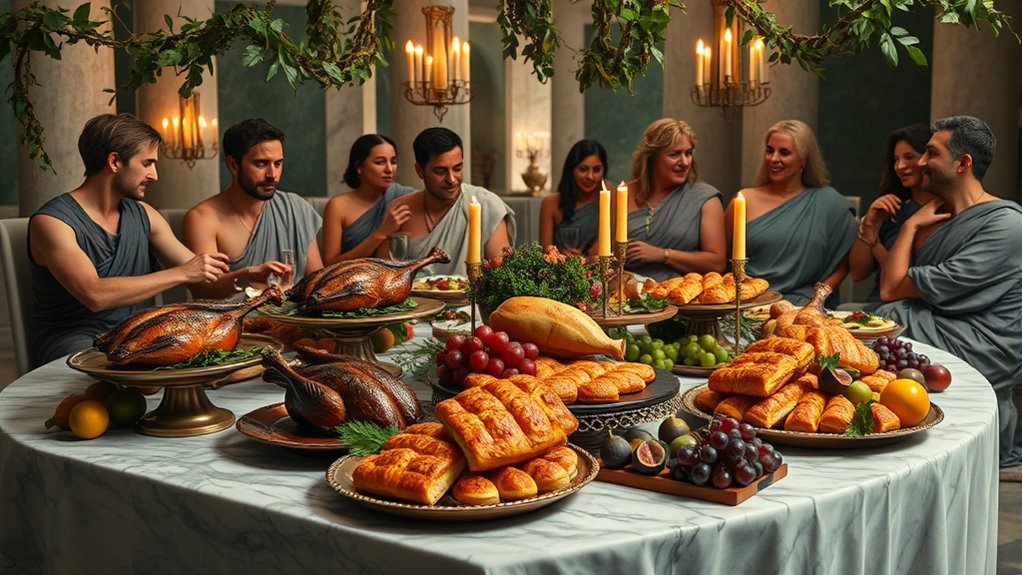
Have you ever wondered what Roman feasts were like? Imagine stepping into a grand Roman dining room, where the scent of exotic spices and roasted meats fills the air. Roman dining customs were intricate, reflecting both social hierarchy and cultural values. During these gatherings, the host typically reclined on a couch, leaning on their left elbow while eating with their right hand, a practice reserved for the wealthy and elites. Guests would arrive dressed in their finest to demonstrate status, and the layout of the banquet was carefully arranged to emphasize social order. The most important guests sat closest to the host, while others filled the remaining couches. It wasn’t just about eating; these meals were social events, opportunities to display wealth, power, and taste.
Ancient banquet rituals played a pivotal role in these festivities. The host often welcomed guests with a libation or offering, and the meal itself was preceded by prayers or blessings to gods for prosperity and health. Food was served in multiple courses, starting with appetizers like olives, nuts, and fresh fruits, followed by more substantial dishes such as roasted meats, fish, and hearty stews. The Romans loved their sauces and condiments, often using garum, a fermented fish sauce, to enhance flavors. During the feast, entertainment was almost always present—poets recited poetry, musicians played lyres, and dancers performed to keep guests engaged and create a lively atmosphere.
Ancient Roman banquets featured multi-course meals, entertainment, and offerings to gods, emphasizing social bonds and cultural traditions.
The ritualistic aspect extended beyond what was served; how the food was presented and consumed was essential. Guests often reclined on couches arranged around a central table, and they used their fingers or small spoons for eating. The ancient banquet rituals fostered camaraderie and shared experience, reinforcing social bonds among attendees. Drinking wine was fundamental, often diluted with water, and wine-drinking customs varied depending on the occasion. It was customary to toast and make speeches, praising the host or celebrating the New Year, which marked a fresh start and a time for renewal. Additionally, the prominence of entertainment and social display during these feasts underscored their role as wealth symbols.
In essence, Roman feasts weren’t just about sustenance—they were performances of social identity, tradition, and culture. Every detail, from the layout of the dining space to the timing of courses, reflected the importance Romans placed on order, hospitality, and community. These customs created a vibrant, symbolic tableau that celebrated both the individual and the collective, making each feast a memorable event rooted in centuries of tradition.
As an affiliate, we earn on qualifying purchases.
Frequently Asked Questions
What Ingredients Were Considered Luxury Items in Roman New Year’s Feasts?
You’ll find that luxury spices like pepper, saffron, and cinnamon, along with exotic ingredients such as oysters and peacock, featured prominently in Roman New Year’s feasts. These items symbolized wealth and status, so you’d want to include them if you aim to impress your guests. The Romans prized these ingredients for their rarity and flavor, making their celebrations truly opulent and memorable.
How Did Roman Culinary Practices Influence Modern New Year’s Celebrations?
You see, Roman culinary symbolism and ancient dining etiquette still shape modern New Year’s celebrations. They encourage sharing special dishes, symbolizing prosperity and renewal. Romans believed certain foods brought luck, like lentils or fish, influencing today’s traditions like black-eyed peas or fish dinners. By embracing these ancient customs, you celebrate with symbolism and style, linking past and present in a timeless toast to new beginnings.
Were There Regional Variations in Roman New Year’s Feast Menus?
Yes, there were regional differences in Roman New Year’s feast menus. You’d notice culinary diversity across the empire, with local ingredients and traditions shaping each celebration. In some areas, people favored seafood, while others included more game or vegetarian dishes. These regional variations reflect the diverse culinary practices within the Roman world, making each feast unique and tailored to local tastes and resources.
What Role Did Religious Rituals Play in Roman New Year’s Meals?
Religious rituals deeply shaped Roman New Year’s meals, as you participate in sacrificial offerings to gods, seeking their favor. Sacred symbols, like laurel wreaths and incense, are incorporated to honor deities and guarantee good fortune. These rituals reinforce the sacred nature of the feast, making the meal more than just food—it’s a spiritual act that connects you to divine powers, assuring a prosperous year ahead.
How Were Leftovers From Roman New Year’s Feasts Typically Reused?
Imagine the Roman banquet leftovers as treasure chests of flavors, carefully saved for future delight. You’d reuse Roman banquet leftovers by employing culinary preservation techniques, like reheating or turning them into new dishes. Romans valued these leftovers, transforming them into stews, pies, or cold cuts, ensuring no morsel went to waste. This practice reflected their resourcefulness and respect for food, turning a feast into a lasting culinary legacy.
Conclusion
Think of the ancient Roman New Year’s feast as a grand tapestry, woven with vibrant threads of tradition, celebration, and unity. Each dish and ritual forms a pattern that connects you to a past filled with hope and renewal. Just as the loom brings colors together to create something beautiful, these feasts remind you that, through shared customs, you’re part of a timeless story—one where food becomes the thread binding generations across centuries.
Fall Picks
fall essentials
As an affiliate, we earn on qualifying purchases.