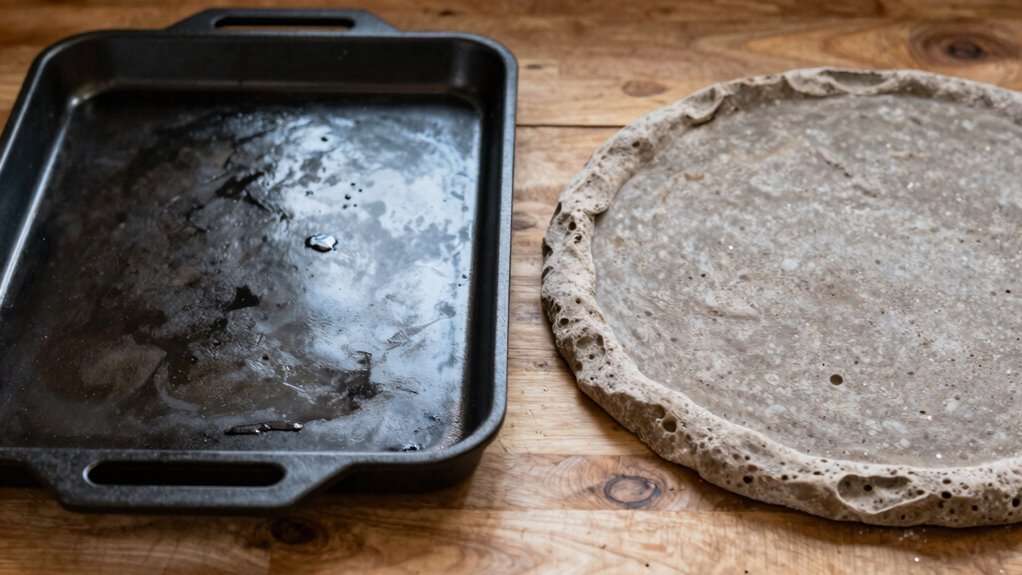

When choosing between a baking steel and a pizza stone, consider your baking style. Steel heats faster, transfers heat more efficiently, and produces crisper, more flavorful crusts quickly. Pizza stones are more affordable and traditional but require longer preheating and are more prone to cracking. Both tools improve your pizza results, but if you want speed and durability, steel is the way to go. Keep exploring to discover which option suits your home kitchen best.

Get kitchen staples and gadgets delivered free with Prime
- Fast, free delivery on millions of items
- Prime Video, Amazon Music and more included
- Member-only deals all year
Key Takeaways
- Baking steels heat faster, transfer heat more efficiently, and produce crisper, more evenly browned crusts than pizza stones.
- Pizza stones are more affordable but prone to cracking; steels are durable but generally cost more.
- Steels require shorter preheat times, while stones need longer to fully absorb heat for optimal baking.
- Both tools influence crust flavor—steels enhance caramelization and smoky notes, stones offer steady, traditional results.
- Proper handling and maintenance extend the lifespan of both, with steels being more resilient to thermal shock.
As an affiliate, we earn on qualifying purchases.
What Are Baking Steel and Pizza Stone Made Of?
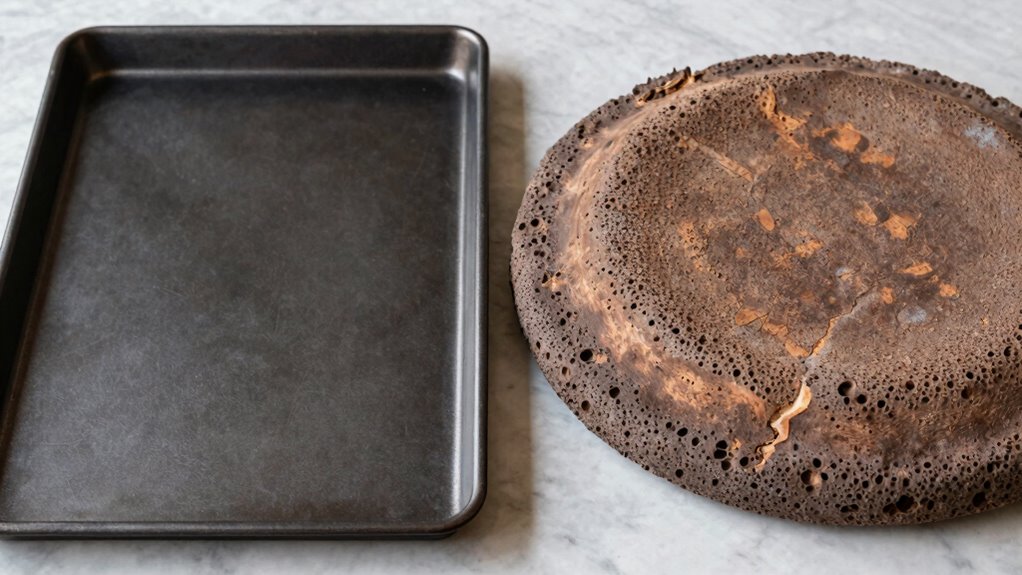
Baking steels and pizza stones are both designed to withstand high temperatures, but they’re made from different materials. Material origins play a key role here. Baking steels are typically made from steel alloys, often carbon steel or sometimes stainless steel, which provides durability and excellent heat conduction. Their manufacturing process involves molding or rolling steel into flat sheets and then heat-treating them for strength. Pizza stones, on the other hand, are usually made from natural materials like ceramic, clay, or cordierite. These materials are shaped into flat disks through processes like extrusion or pressing, then fired at high temperatures to harden them. Each material’s origin and manufacturing process influence how they perform in your oven, affecting heat retention and durability. Material composition significantly impacts their heat transfer efficiency and lifespan. Additionally, the thermal properties of these materials determine how evenly they cook your pizza and how quickly they heat up, with heat retention playing a crucial role in achieving that perfect crust. The manufacturing process also affects their overall strength and resistance to cracking or breaking over time. Choosing the right material based on heat conduction and durability can make a noticeable difference in your pizza’s crust quality.
How Do Baking Steel and Pizza Stone Conduct Heat?
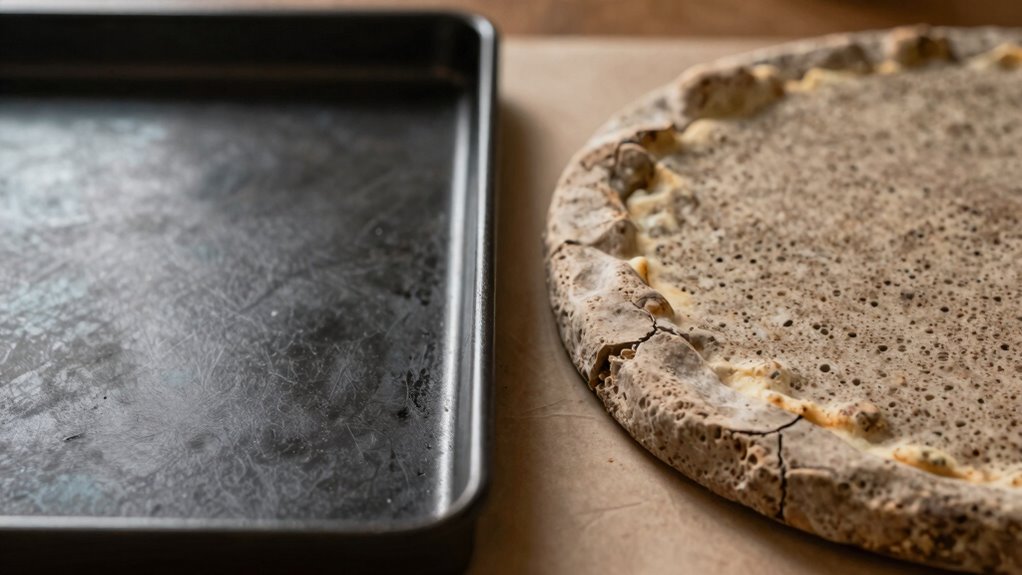
Baking steel conducts heat more efficiently than a pizza stone, allowing for quicker and more even cooking. Material differences, like steel’s high thermal conductivity versus stone’s slower heat transfer, impact how well they heat up and transfer heat to your pizza. You’ll need to preheat a steel longer to reach ideal temperatures, while stones often require shorter, more consistent preheating.
Heat Transfer Efficiency
When it comes to conducting heat, baking steel generally outperforms a pizza stone due to its superior thermal conductivity. This means that baking steel heats up faster and transfers heat more efficiently to your pizza crust, resulting in a crispier finish. Because of this, you’ll find that baking steel can reach ideal temperatures quickly, which is essential for oven safety—avoiding the risk of uneven heating or damage to your oven. Additionally, steel’s durability means it’s more sustainable over time, lasting longer without cracking or breaking like a pizza stone might. The enhanced heat transfer efficiency makes baking steel a practical choice for serious bakers who want quick, consistent results while also considering material sustainability and oven safety. thermal conductivity plays a key role in how effectively these tools perform.
Material Conductivity Differences
The key difference in how baking steel and pizza stone conduct heat lies in their materials’ inherent thermal properties. Baking steel, made of steel, has high thermal conductivity, meaning it transfers heat quickly and evenly. This results in excellent temperature consistency, helping you achieve a crisp crust every time. In contrast, pizza stones, typically made from ceramic or cordierite, have lower thermal conductivity. They heat more slowly but store heat effectively, offering stable, consistent heat over time. This makes pizza stones durable and resistant to thermal shock, contributing to their material longevity. Steel’s rapid heat transfer allows for quick preheating, but it can be more susceptible to warping if not handled carefully. Understanding these material conductivity differences helps you choose the right tool for your baking style. Additionally, considering the thermal properties of each material can help you optimize your baking process for the best crust. Knowing the heat retention characteristics of each can also guide your baking techniques to achieve optimal results.
Preheating Requirements
Because of their differing thermal properties, baking steel and pizza stone require distinct preheating times to perform ideally. Baking steel conducts heat quickly, so reaching the oven temperature typically takes about 20-30 minutes. In contrast, a pizza stone needs longer, around 30-45 minutes, to absorb enough heat. Proper preheating guarantees the crust gets crispy and cooks evenly.
Here’s what you should keep in mind:
- For baking steel, set the oven to your desired temperature and preheat for at least 20 minutes.
- For the pizza stone, aim for 30-45 minutes to allow full heat absorption.
- Adjust your cooking time accordingly, as a hotter preheated surface reduces overall baking time.
- Always verify your oven is fully preheated before placing your pizza or bread on the surface.
How Each Affects Your Pizza Crust’s Texture and Flavor

Choosing between a baking steel and a pizza stone considerably impacts the texture and flavor of your crust. A baking steel, with its superior heat conduction, promotes greater crust crispness, giving your pizza a satisfying crunch. It also enhances flavor development by evenly transferring heat, which helps caramelize the sugars in your dough. Additionally, heat conduction plays a crucial role in how effectively each tool influences your pizza’s final result. The steel’s ability to deliver higher, more direct heat can produce a more robust, smoky flavor, and a crisper crust, making it ideal if those qualities are your priority. Moreover, understanding the thermal mass of each material can help you optimize your oven’s performance and achieve more consistent results.
Which Tool Is Easier to Use at Home?
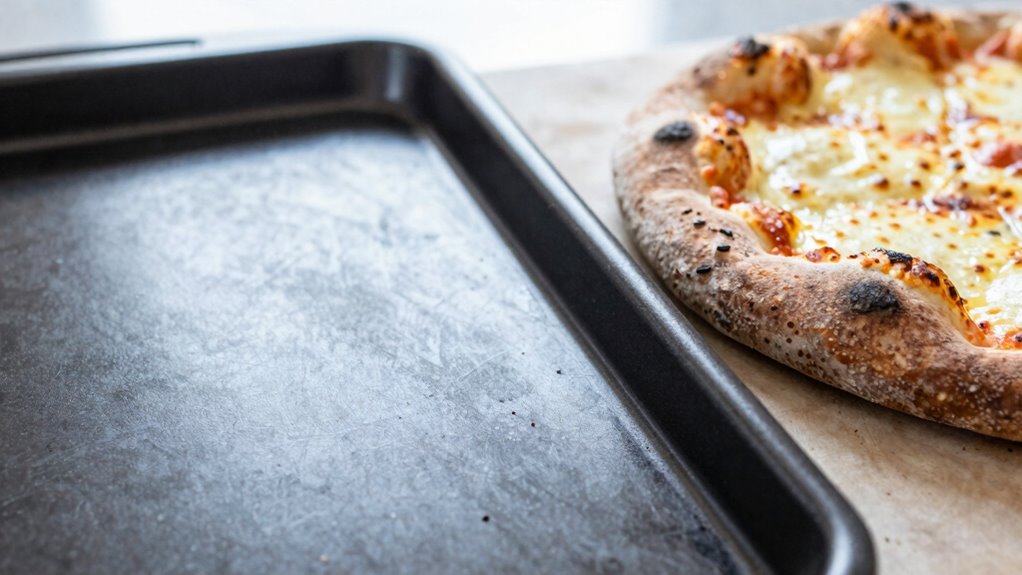
You’ll find that baking steels are generally easier to set up and handle because they’re lighter and don’t require special tools. Cleaning and maintaining them is straightforward, often needing just a wipe-down after use. Pizza stones, on the other hand, may be heavier and need careful handling to prevent cracking, plus they require more thorough cleaning to avoid absorbing odors. Additionally, understanding the material properties of each option can help you choose the best tool for your needs. Baking steels are often more durable due to their thermal conductivity, making them a reliable choice for consistent results. Moreover, their heat retention capabilities contribute to more even baking, which can be a significant advantage for home cooks. Recognizing the material differences can also guide you in selecting the most suitable option based on your typical usage.
Setup and Handling
When it comes to setup and handling at home, many find that a pizza stone is more straightforward to use than a baking steel. It’s simple to handle, heats evenly, and requires minimal prep. Here are a few reasons why:
- Ease of placement: Pizza stones typically come pre-seasoned and are lightweight, making them easy to position in your oven. Their traditional use has made them a well-known choice for home bakers, contributing to their ease of use. Additionally, their natural material composition often allows for more forgiving handling compared to heavier metals. Their familiarity among home bakers also makes them easier to incorporate into regular baking routines. The application process for pizza stones is generally less complex, especially for beginners.
- Versatility: They’re great for creative flavor pairings, allowing you to experiment with different toppings and crust styles.
- Preheating: Heating a pizza stone is straightforward—just place it in a cold oven and turn it on.
- Alternative baking materials: Pizza stones are familiar, making them less intimidating for beginners, while baking steels may require more careful handling.
- Historical familiarity: The traditional use of pizza stones has made them a familiar and accessible option for many home bakers. This longstanding history adds to their appeal and ease of use for home cooks.
Maintenance and Cleaning
Maintaining and cleaning your baking steel or pizza stone can considerably impact their longevity and performance, but generally, pizza stones are easier to keep in good condition. Pizza stones require simple cleaning—just scrape off residue and occasionally wipe with a damp cloth, avoiding soap to preserve flavor enhancement. They can be stored easily in a dry, protected spot, making storage solutions straightforward. Baking steels, on the other hand, may need more careful handling; they shouldn’t be soaked or cleaned with soap, but might require more effort to remove stubborn residue. Both tools benefit from proper maintenance to prevent cracking or warping, but overall, pizza stones are more user-friendly for quick, effective cleaning and storage solutions at home. Proper maintenance practices are essential for both tools to prevent damage and ensure optimal baking results. Understanding the importance of proper maintenance can help ensure both tools last longer and perform well during your baking adventures. Additionally, using the right cleaning techniques can help maintain their thermal properties and prevent damage over time, especially considering that some textile techniques, like protective styling, also require careful handling to prolong their usability.
How Durable Are Baking Steel and Pizza Stone?
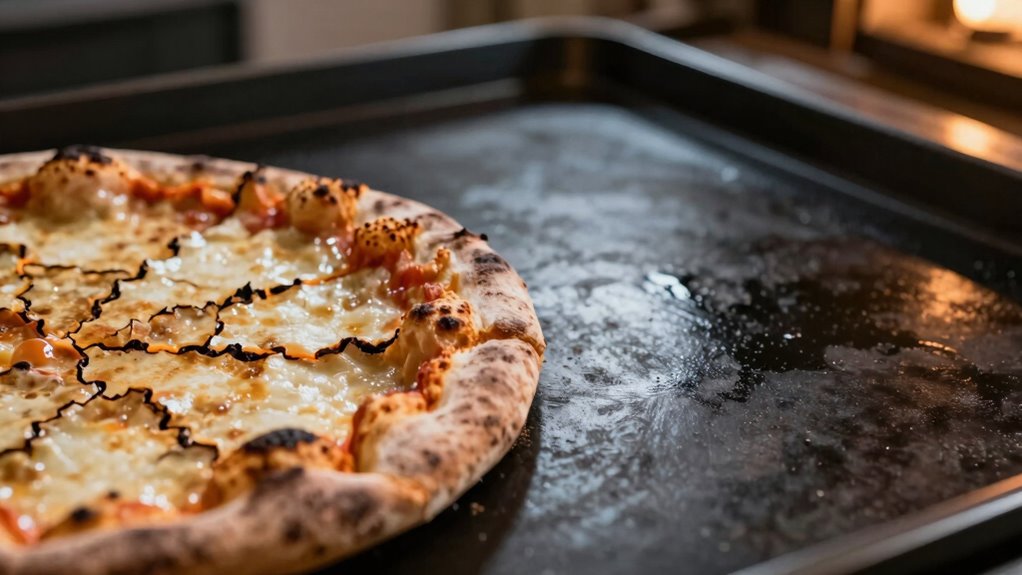
Both baking steel and pizza stone are built to last, but their durability can vary based on material and usage. You’ll find that with proper care, they stand the test of time, even through frequent use for creative recipe ideas rooted in historical baking techniques. Here are four key points to evaluate:
- Baking steels are highly durable and resistant to thermal shock, making them less prone to cracking.
- Pizza stones, typically made of ceramic or cordierite, can crack if exposed to sudden temperature changes.
- Proper handling, like avoiding dropping or rapid cooling, extends their lifespan.
- Regular seasoning or cleaning maintains their performance without compromising integrity.
How Quickly Do They Bake Pizza?
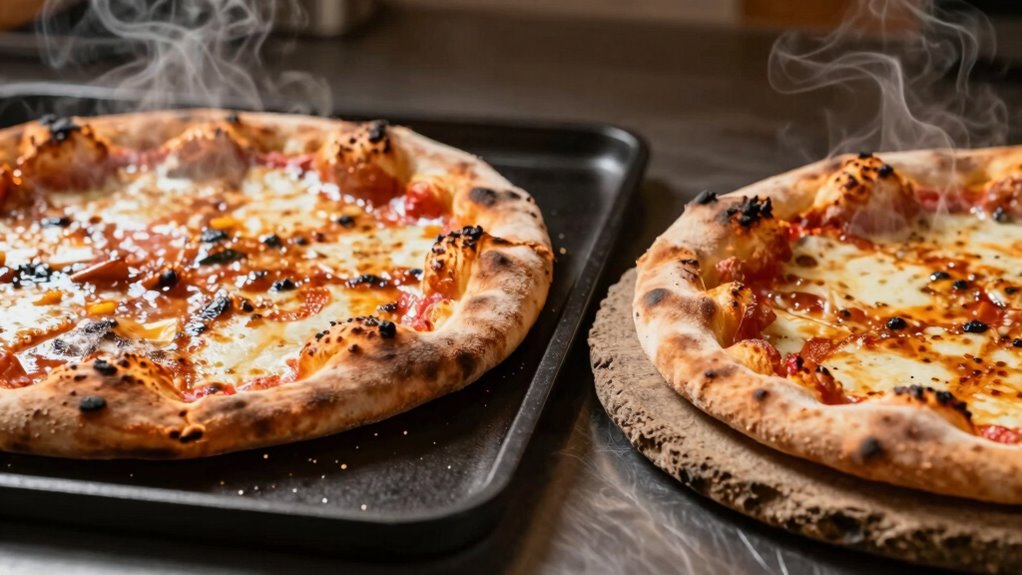
Baking steel generally heats up faster and conducts heat more efficiently than a pizza stone, which means it can bake your pizza in a shorter amount of time. This quick heat transfer results in a crisp crust with excellent flavor enhancement, as high temperatures help caramelize toppings and cheese more effectively. Because of its speed, you can achieve that perfect, restaurant-quality bake in less time. The rapid heat also helps preserve the aesthetic appeal of your pizza, giving you a nicely browned, professional look. If you’re aiming for efficiency and a beautifully baked crust, the baking steel‘s quicker baking process is a clear advantage. It’s perfect for those who want a flavorful, visually appealing pizza in a fraction of the time. Additionally, heat conduction plays a crucial role in how evenly your pizza bakes, making steel a popular choice among home chefs.
What Do Baking Steel and Pizza Stone Cost?
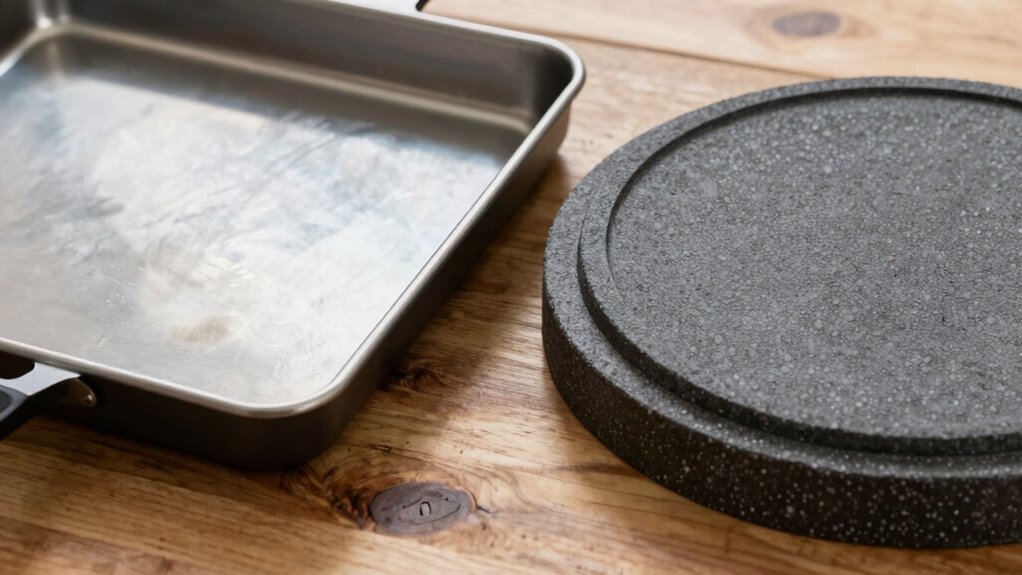
The cost of baking steel and pizza stone varies widely depending on quality and size, but generally, baking steel tends to be more expensive upfront. The price range for baking steels typically runs from $50 to $150, while pizza stones are usually between $20 and $50. When doing a cost comparison, consider these factors:
- Baking Steel: Higher initial investment, but offers durability and better heat transfer.
- Pizza Stone: More affordable, lightweight, but may crack over time.
- Size and Thickness: Larger or thicker options cost more but can improve performance.
- Material Quality: Premium materials increase price but may last longer.
Ultimately, your choice depends on your budget and baking needs.
Tips for Using Baking Steel and Pizza Stone for Perfect Crusts

Achieving a perfectly crispy crust relies on proper technique and preparation. To do this, preheat your baking steel or pizza stone thoroughly—at least 30 minutes—to guarantee even heat transfer. Use a pizza peel or parchment paper for easy transfer, and avoid excess flour or cornmeal that can burn. Experiment with creative flavor combinations by adding toppings that complement your crust, like fresh herbs or spicy oils. Remember, these alternative baking surfaces can influence your crust’s texture and browning, so adjust baking times accordingly. For an extra boost, consider pre-baking your crust slightly before adding toppings. Properly handling your baking steel or pizza stone helps you achieve consistent, restaurant-quality results and release the full potential of your crust.
Troubleshooting Common Pizza Crust Problems
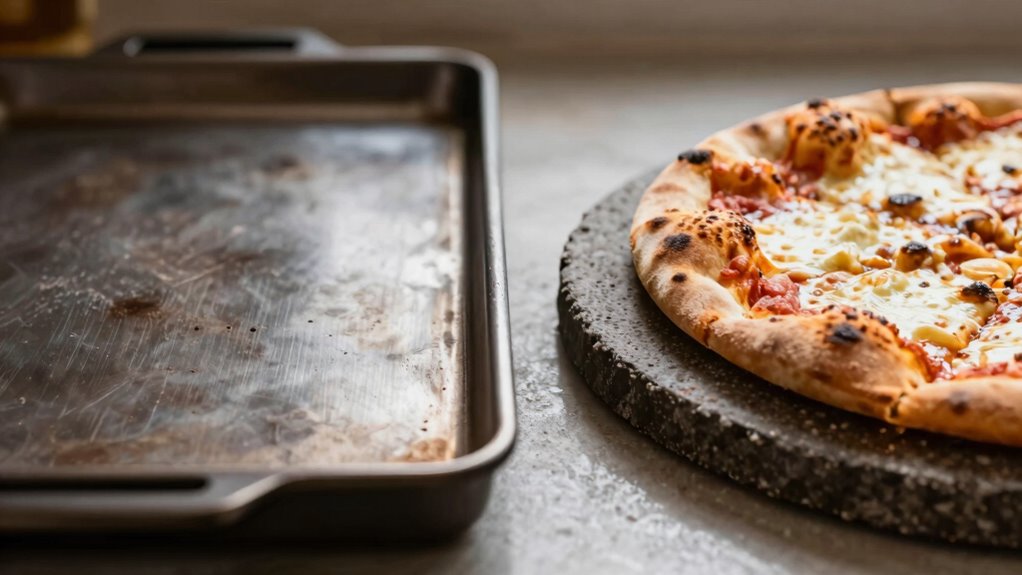
Even with the right equipment and techniques, you might encounter some common pizza crust issues. Here’s how to troubleshoot them:
- Uneven cooking: If your crust isn’t evenly baked, check your oven temperature and preheat your baking steel or pizza stone longer. Also, avoid overcrowding with creative toppings, which can cause uneven heat distribution.
- Dough sticking: If the dough sticks to the surface, ensure you’ve properly dusted your pizza peel or baking surface with flour or cornmeal.
- Thick or dense crust: This often results from poor dough consistency. Knead your dough thoroughly, and let it rest adequately for a lighter, airy crust.
- Burnt edges: Keep an eye on baking time and temperature. Sometimes, a slightly lower temp prevents over-browning while still crisping your crust.
Frequently Asked Questions
Can Baking Steel or Pizza Stone Be Used for Other Baked Goods?
Yes, you can use baking steel or pizza stone for other baked goods. They’re great for alternative uses like roasting vegetables, baking bread, or making crispy cookies. Your creative recipes will benefit from their even heat distribution and high heat capacity. Just make sure to adjust baking times and temperatures accordingly. These versatile tools can elevate your baking game beyond just pizza, giving you more options to experiment in the kitchen.
How Do I Clean and Maintain Baking Steel and Pizza Stone?
Imagine your baking steel or pizza stone as a blank canvas, ready for seasoning techniques that enhance its non-stick qualities. To clean, avoid soap—simply scrub with a stiff brush or damp cloth after cooling. For maintenance, regularly season it by heating in the oven, developing a natural non-stick surface. Keep it dry and store in a dry place to prevent moisture, ensuring your baking surface stays in top shape for every bake.
Which Is More Suitable for High-Temperature Commercial Baking?
You’ll find baking steel more suitable for high-temperature commercial baking because it offers superior heat retention and thermal conductivity. Its ability to quickly transfer and maintain heat helps you achieve consistent, crispy crusts efficiently. The steel’s durability also withstands frequent, intense baking sessions. While pizza stones retain heat well, they don’t conduct heat as effectively at high temps, making baking steel the better choice for demanding commercial environments.
Are Baking Steel and Pizza Stone Safe to Use in a Home Oven?
Imagine you’re baking a perfect pizza when your stone suddenly cracks—that’s why you wonder if baking steel and pizza stone are safe. The good news is, both are designed for home oven safety and are made from durable materials like steel and ceramic. With proper handling, they withstand high temperatures without warping or cracking. Just follow the manufacturer’s instructions to guarantee safe, long-lasting use in your home oven.
How Do Size and Shape Affect Baking Performance?
Size and shape substantially impact baking performance because material differences and heat retention vary with design. A larger baking steel or stone provides more surface area, promoting even heat distribution, but may take longer to heat up. Thinner shapes heat faster but might not retain heat as effectively. Choose a size and shape that match your oven and baking needs to optimize crust crispness and overall baking results.
Conclusion
Choosing between a baking steel and a pizza stone ultimately depends on your baking style. Baking steel heats up faster and conducts heat more evenly, resulting in crispier crusts—some say up to 30% crisper than with a pizza stone. With proper use and maintenance, both tools can last for years. So, consider your priorities, budget, and baking habits to pick the best fit for creating perfect homemade pizzas every time.
Fall Picks
fall essentials
As an affiliate, we earn on qualifying purchases.