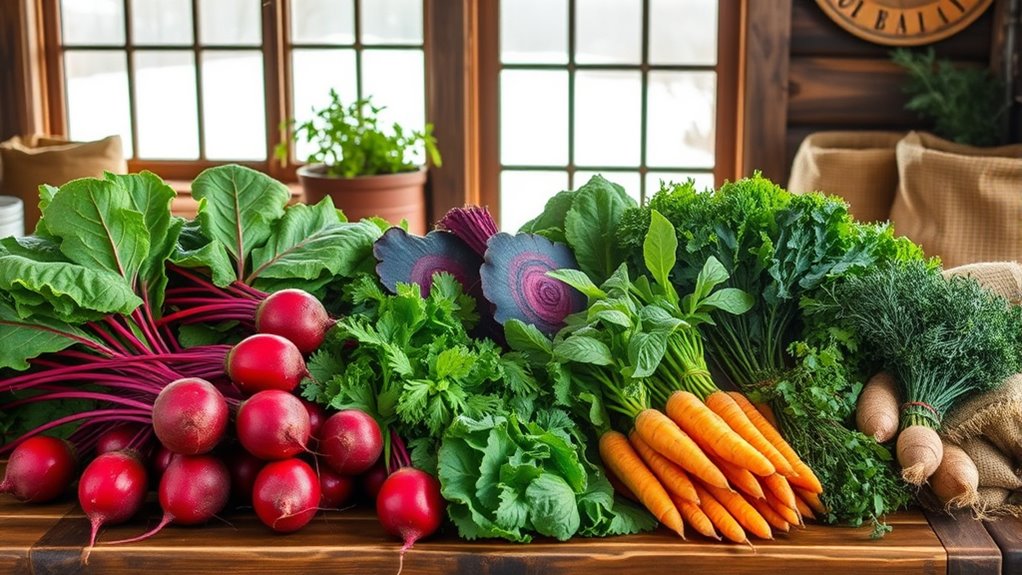
Supporting local farms through winter CSAs allows you to enjoy fresh, seasonal produce and helps keep regional agriculture thriving year-round. By participating, you contribute to a resilient local food system, reduce environmental impact, and enjoy nutritious foods even during colder months. Many farms diversify their offerings with hardy crops, fermented goods, and preserved foods, making winter eating both sustainable and flavorful. Keep exploring how your support can make a difference beyond just seasonal eating.
Key Takeaways
- Winter CSAs ensure access to fresh, seasonal produce while supporting local farms during colder months.
- They promote farm diversification by including fruits, herbs, and dairy, broadening local food options.
- Participating in winter CSAs encourages sustainable practices like crop preservation and seasonal cooking.
- Supporting local farms through winter CSAs strengthens community resilience and reduces environmental impact.
- Winter CSAs foster a deeper connection to local food systems, promoting healthier eating and environmental consciousness.
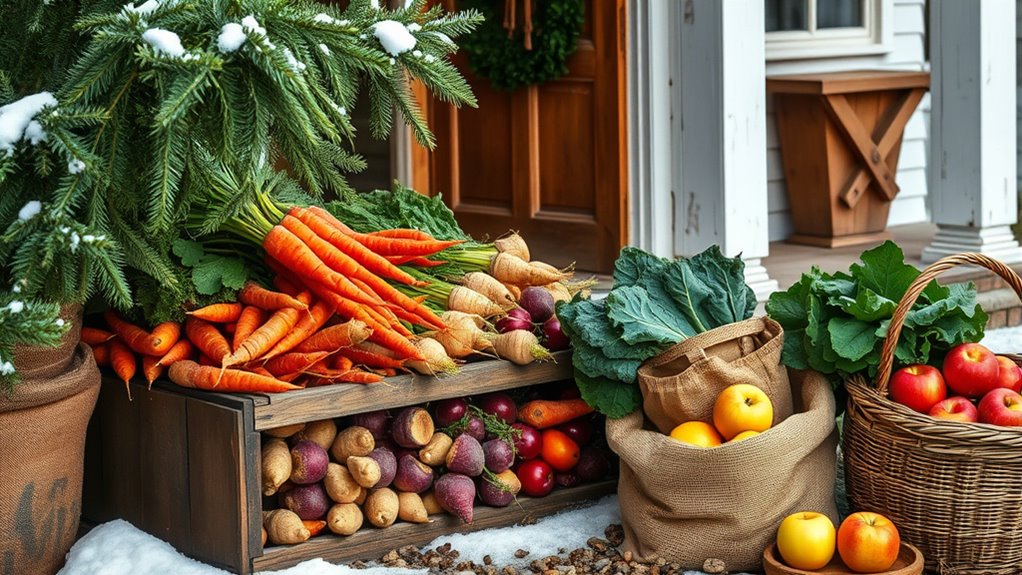
Farm-to-table is a movement that emphasizes sourcing food directly from local farms, guaranteeing freshness and supporting nearby communities. When you choose to participate in winter CSAs (Community Supported Agriculture), you’re actively helping sustain local farms during the colder months. This approach encourages farmers to embrace seasonal harvesting, which means they focus on crops that thrive during winter, like root vegetables, hardy greens, and stored crops. By prioritizing seasonal harvesting, farms reduce reliance on imported produce and minimize their environmental footprint, while you get to enjoy the freshest, most flavorful foods available during the season.
One of the key benefits of supporting local farms through winter CSAs is farm diversification. Many farmers expand their offerings beyond traditional crops to include a variety of fruits, vegetables, herbs, and even small-scale livestock or dairy products. This diversification helps stabilize the farm’s income year-round, making them less vulnerable to the fluctuations of seasonal markets. As a consumer, you benefit by gaining access to a broader array of nutritious, locally produced foods that you might not find at your regular grocery store. Furthermore, farm diversification often introduces you to new ingredients and seasonal recipes, enriching your culinary experience.
Participating in a winter CSA also encourages you to adapt your cooking to seasonal harvests. Since farms focus on hardy crops like carrots, parsnips, kale, and cabbages, you get to explore hearty, warming dishes that highlight these ingredients. This shift not only supports the farm’s sustainability but also promotes healthier eating habits by incorporating more fresh, local produce into your diet, even during the colder months. As you receive weekly shares of seasonal harvests, you’re prompted to get creative in the kitchen, learning to preserve, ferment, or store excess produce for later use. This practice reduces food waste and deepens your connection to the farm’s ecosystem.
Supporting local farms through winter CSAs also nurtures a resilient local food system. By choosing seasonal harvesting and farm diversification, you’re helping farmers invest in sustainable practices that conserve soil health, reduce transportation emissions, and promote biodiversity. Your commitment to eating seasonally and diversifying your diet aligns with these environmentally conscious farming methods, creating a positive cycle of support. Additionally, incorporating diverse farm products can introduce you to innovative farming techniques, which can further enhance sustainability and environmental benefits. Ultimately, participating in winter CSAs strengthens your community’s economy, fosters a deeper appreciation for local agriculture, and ensures that fresh, nutritious food remains accessible year-round.
Frequently Asked Questions
How Do Winter CSA Memberships Differ From Summer Shares?
Winter CSA memberships differ from summer shares mainly due to seasonal variations. You typically receive root vegetables, hearty greens, and stored crops that last longer, thanks to storage techniques like root cellars or refrigeration. Summer shares focus on fresh, tender produce like berries and leafy greens, while winter shares emphasize preservation methods to keep produce fresh through colder months. This shift guarantees you enjoy local, seasonal produce year-round.
What Are the Best Ways to Store Winter Farm Produce?
Think of your winter produce as treasure waiting to be uncovered. To keep it fresh, use a root cellar for cool, dark storage—perfect for carrots, potatoes, and beets. For leafy greens and herbs, employ freezing techniques by blanching first, then storing in airtight containers. These methods preserve flavor and nutrients, ensuring you enjoy farm-fresh goodness all winter long. Proper storage transforms your home into a winter farm oasis.
How Do Farms Ensure Crop Diversity During Winter Months?
You can guarantee crop diversity during winter by using greenhouse techniques, which extend growing seasons and protect plants from harsh weather. Additionally, implementing crop rotation helps maintain soil health and prevents pest buildup, enabling a variety of crops to thrive year-round. Combining these methods, you support a diverse range of produce, ensuring your farm remains productive and sustainable even during colder months.
Can I Customize My Winter CSA Box Preferences?
Yes, you can customize your winter CSA box preferences. While some farms offer standard boxes, many provide customization options to suit your tastes and dietary needs. You can often request specific vegetables or exclude certain items through box preference adjustments. Keep in mind, early communication helps guarantee your preferences are accommodated. This personalized approach enhances your farm-to-table experience while supporting local farms effectively.
What Are the Environmental Benefits of Supporting Local Farms in Winter?
Supporting local farms in winter helps reduce your carbon footprint because they often use sustainable practices, like crop rotation, that improve soil health. When you buy locally, your food travels fewer miles, cutting emissions from transportation. Plus, winter farming encourages soil to stay healthy and absorb more carbon, benefiting the environment. By choosing local, you contribute to a healthier planet while enjoying fresh, seasonal produce.
Conclusion
Supporting local farms through winter CSAs nurtures more than just your plate; it gently sustains the heartbeat of your community. Every shared harvest, even in colder months, helps keep dreams alive and roots deep. By choosing to participate, you’re quietly helping a farmer’s story continue, weaving warmth and hope into the quiet winter days. It’s a simple act, but one that blooms into a lasting bond, reminding us all of the power in small, caring choices.