Cooking with late fall harvest vegetables lets you enjoy their peak flavors while supporting local farms and sustainable practices. You can elevate root vegetables like carrots and parsnips through roasting, or sauté hearty greens such as kale and Brussels sprouts for nutritious sides. Using seasonal ingredients not only tastes better but reduces environmental impact. By choosing farm-to-table options, you help strengthen local communities and promote ecological balance—discover more ways to make the most of these fresh, seasonal bounties.
Key Takeaways
- Use fresh, seasonal late fall vegetables like carrots, kale, and Brussels sprouts for nutrient-rich, flavorful dishes.
- Prepare simple recipes such as roasting, sautéing, or hearty stews to highlight the vegetables’ natural sweetness.
- Shop at local farmers’ markets to connect directly with growers and support sustainable farming practices.
- Incorporate herbs and spices to customize flavors while emphasizing seasonal ingredients’ freshness.
- Emphasize eco-friendly cooking methods that reduce environmental impact and promote biodiversity.

Have you ever wondered where your food really comes from? When you shop at your local farmers’ market or visit a farm stand, you’re connecting directly with the source of your ingredients. Late fall harvest vegetables are a prime example of how farm-to-table eating supports sustainable farming practices. These vegetables, harvested at the peak of their season, not only taste better but also reduce the environmental impact associated with long-distance transportation and storage. By choosing seasonal recipes that highlight these hearty vegetables, you can enjoy meals that are fresh, nutritious, and environmentally friendly.
Connecting with local farms through seasonal late fall vegetables supports sustainability and fresh, flavorful meals.
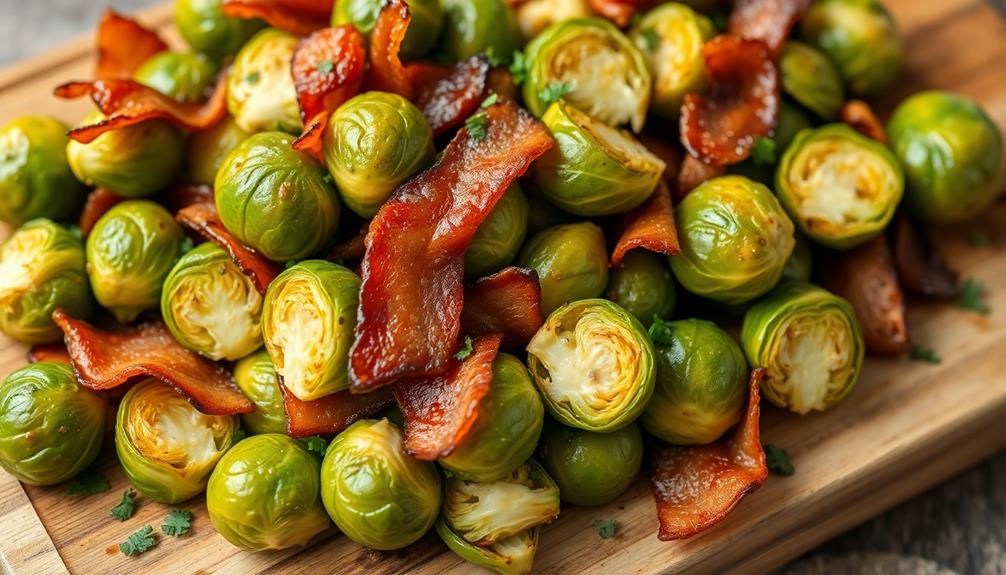
Focusing on late fall vegetables encourages you to embrace the bounty of the season. Think of root vegetables like carrots, parsnips, and beets, along with hearty greens such as kale and Brussels sprouts. These ingredients are often grown using sustainable farming methods that prioritize soil health, crop rotation, and reduced chemical use. When you incorporate them into your cooking, you’re supporting farmers who care for the land and prioritize long-term ecological balance. This approach helps preserve biodiversity and promotes responsible resource use, making your meals not only delicious but also more ethical and sustainable.
Creating seasonal recipes with late fall vegetables is straightforward and rewarding. Roasting carrots and parsnips brings out their natural sweetness, while a hearty kale and Brussels sprout sauté makes for a nutritious side dish. Soups and stews are excellent ways to combine these ingredients, offering comfort and warmth during the chilly months. Plus, these dishes are easy to customize with herbs, spices, and other fresh ingredients available at the end of the season. By focusing on seasonal recipes, you maximize flavor and nutritional value, making the most of what’s fresh and abundant.
Eating locally and seasonally also means supporting your community’s economy. When you buy from local farms, your money stays within the community, helping farmers invest in sustainable practices and maintain their land for future harvests. It fosters a deeper connection between you and the food you eat, giving you a greater appreciation for the effort that goes into bringing late fall vegetables to your plate. As you prepare meals, think about the journey those vegetables took—from the farm to your table—and savor the unique flavors that only come from seasonal, locally grown produce.
Additionally, choosing vegetables that are part of market-related returns can help safeguard your investment in sustainable agriculture. In the end, embracing farm-to-table principles during late fall means more than just cooking with fresh vegetables. It’s about making mindful choices that support sustainable farming, enjoy seasonal recipes, and strengthen your connection to your food and community. When you prioritize these aspects, you’re not only nourishing your body but also contributing to a healthier planet for generations to come.
TomorrowSeeds – Golden Beet Seeds – 300+ Count – for 2026 Planting Yellow Beets Orange Beetroot Gold Sunset Turnips Detroit Non-GMO Heirloom Root Vegetable Grow Your Own Home Farm Patio Healthy
Bright golden color adds a unique, vibrant touch to your dishes
As an affiliate, we earn on qualifying purchases.
As an affiliate, we earn on qualifying purchases.
Frequently Asked Questions
How Do I Store Late Fall Vegetables to Prolong Freshness?
To prolong freshness, you should store late fall vegetables using refrigeration techniques and a root cellar if available. Keep root vegetables like carrots and beets in a cool, dark place, ideally in perforated containers to maintain airflow. For refrigeration, place leafy greens in damp cloths or perforated containers in the crisper drawer. Proper storage helps retain flavor and nutrients, ensuring your vegetables stay fresh longer.
Can I Substitute Late Fall Vegetables With Summer Varieties?
Yes, you can substitute summer vegetables for late fall ones, but consider seasonal flavor pairings and vegetable flavor profiles. Summer varieties like zucchini or tomatoes bring a different freshness and texture, so adapt your recipes accordingly. While the vibrant flavors of summer veggies might brighten your dish, they may lack the earthy richness of fall harvest vegetables, so adjust seasonings to balance the flavors and maintain a cohesive dish.
What Are Some Beginner-Friendly Late Fall Harvest Recipes?
You can try easy roasting root vegetables like carrots, parsnips, and sweet potatoes, which are perfect for beginners. Simple soups featuring butternut squash, pumpkin, or kale make delicious, comforting dishes. Just chop your vegetables, toss them with olive oil and seasonings, then roast or simmer. These recipes are straightforward, flavorful, and showcase late fall harvests without fuss, making them ideal for those new to farm-to-table cooking.
How Do I Select the Freshest Late Fall Vegetables at the Market?
Choosing late fall vegetables at the market is like picking the ripest fruit from a tree. Look for vegetables with vibrant colors and firm textures, as these are signs of freshness. Check for seasonal indicators like heavy, well-shaped produce that feels sturdy in your hand. Avoid vegetables with blemishes or soft spots. Trust your senses—fresh, market-fresh produce will brighten your dishes and enhance your cooking with seasonal flavor.
Are There Any Specific Nutritional Benefits of Late Fall Vegetables?
You’ll find that late fall vegetables provide great nutritional benefits, like high antioxidant properties that help combat free radicals and boost your immune system. They’re also rich in dietary fiber, aiding digestion and promoting fullness. By choosing these seasonal vegetables, you give your body essential nutrients, supporting overall health. Incorporating late fall harvest vegetables into your meals is an easy way to enjoy their delicious flavors while nourishing your body.

Cuisinart Stainless Steel, 5.5 Quart Sauté Pan w/ Cover, Helper Handle, Chef's Classic, 733-30H
EXCEPTIONAL DESIGN: The 5.5-Quart Saute Pan with Helper Handle and Flavor Lock Lid has straight high sides and…
As an affiliate, we earn on qualifying purchases.
As an affiliate, we earn on qualifying purchases.
Conclusion
By cooking with late fall harvest vegetables, you support local farmers and enjoy fresher, more flavorful meals. Did you know that consuming seasonal produce can reduce your carbon footprint by up to 30%? So, next time you plan your meals, embrace these seasonal ingredients. Not only will you taste the difference, but you’ll also be helping the environment. Farm-to-table isn’t just a trend—it’s a delicious way to connect with your community and the seasons.
DAISHO Plant-Based Paitan Style Hot Pot Soup Base, 26.45-oz (Pack of 1) Ready to Use
Collaboration product with the famous ramen shop "IPPUDO".
As an affiliate, we earn on qualifying purchases.
As an affiliate, we earn on qualifying purchases.

Juvale Pulp Fiber Berry Baskets – 4 x 4 x 1.81 in Brown Molded Pulp – Ventilated Design for Farmers Market Produce – Cardboard Fruit Containers & 60 Mini Berry Cartons
Versatile Storage Solutions: Juvale Pulp Fiber Berry Baskets are perfect for organizing and displaying fresh produce. They are…
As an affiliate, we earn on qualifying purchases.
As an affiliate, we earn on qualifying purchases.