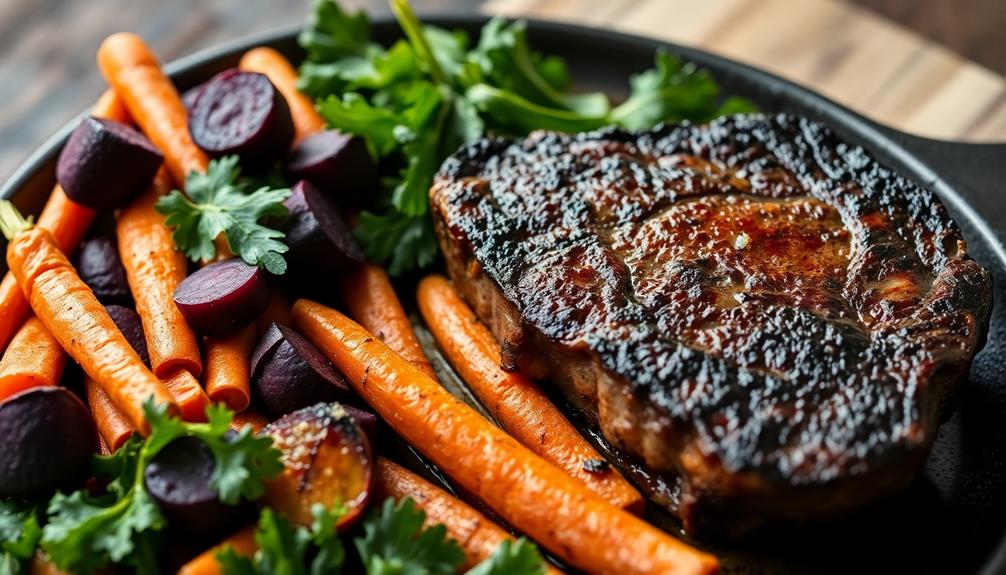
The low-FODMAP diet empowers you to manage irritable bowel syndrome (IBS) through strategic meal planning. You'll focus on nutrient-dense, low-FODMAP ingredients like bananas, spinach, and chicken. By understanding key cooking principles – rinsing ingredients, sautéing for flavor, and gentle simmering – you can craft satisfying recipes like roasted chicken with lemon and rosemary. Throughout your dietary journey, you'll monitor your progress, stay hydrated, and consult a dietitian for personalized guidance. With patience and persistence, you can enhance your quality of life and find joy in eating, laying the foundation for further exploration.

Get kitchen staples and gadgets delivered free — and shop member deals
- Fast, free delivery on millions of items
- Access to Prime Big Deal Days deals on October 6–7
- Prime Video, Amazon Music and more included
Key Takeaways
- Emphasize simple, nutrient-dense low-FODMAP ingredients like fruits, vegetables, proteins, and gluten-free grains for meal preparation.
- Utilize key cooking principles such as rinsing ingredients, sautéing, and gentle simmering to enhance flavor and maintain dish quality.
- Explore new cooking techniques and substitute high-FODMAP ingredients with low-FODMAP alternatives to create enjoyable, symptom-managing meals.
- Maintain consistent meal patterns, monitor food intake, and gradually incorporate fiber to regulate digestion and identify potential triggers.
- Engage in community support and celebrate successes in managing IBS symptoms through a personalized low-FODMAP diet.
History
The low-FODMAP diet was first developed in the early 2000s by researchers at Monash University in Australia. They discovered that certain carbohydrates, known as FODMAPs (Fermentable Oligosaccharides, Disaccharides, Monosaccharides, and Polyols), can trigger gastrointestinal symptoms in people with irritable bowel syndrome (IBS).
By eliminating high-FODMAP foods and gradually reintroducing them, individuals can identify their personal triggers and manage their IBS through diet.
The low-FODMAP approach quickly gained recognition in the medical community as an effective way to alleviate IBS symptoms. It's now considered a first-line dietary intervention for IBS, recommended by gastroenterologists and dietitians worldwide.
As the diet's popularity has grown, so has the availability of low-FODMAP recipes and cookbooks, empowering people with IBS to take control of their condition through mindful meal planning and preparation.
Recipe
Adhering to a low-FODMAP diet doesn't mean you have to sacrifice flavor or enjoyment in your meals. This easy-to-prepare recipe for Roasted Chicken with Rosemary and Lemon showcases how you can create a delicious, low-FODMAP dish that's perfect for any occasion.
In addition, incorporating essential oils for wellness can enhance your cooking experience and promote overall health. The combination of tender, juicy chicken with the fragrant notes of rosemary and bright citrus makes this a true crowd-pleaser.
Plus, with minimal prep time and simple ingredients, this recipe is an ideal choice for busy weeknights or relaxed weekends.
Ingredients:
- 4 boneless, skinless chicken breasts
- 2 tablespoons olive oil
- 2 tablespoons fresh rosemary, chopped
- 1 lemon, zested and juiced
- Salt and black pepper, to taste
Instructions:
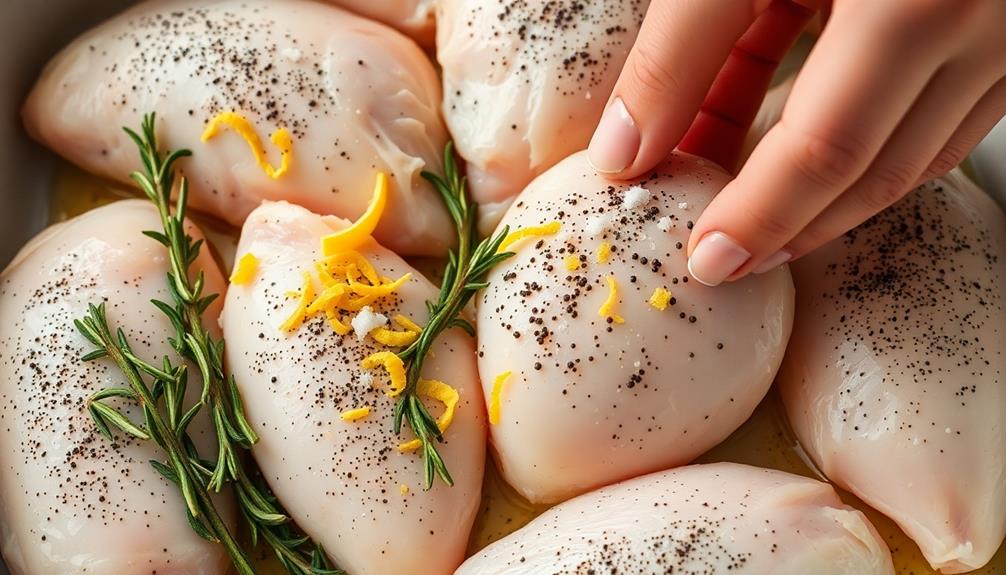
Preheat your oven to 400°F (200°C). In a large baking dish, arrange the chicken breasts in a single layer. Drizzle the olive oil over the chicken, then sprinkle with the chopped rosemary, lemon zest, salt, and black pepper.
Gently rub the seasoning into the chicken to ensure even coverage. Bake the chicken for 25-30 minutes, or until the internal temperature reaches 165°F (75°C). Squeeze the lemon juice over the chicken before serving.
When cooking this dish, be sure to use fresh rosemary for the best flavor. You can also experiment with other low-FODMAP herbs, such as thyme or oregano, to vary the taste.
Serve the Roasted Chicken with Rosemary and Lemon alongside your favorite low-FODMAP sides, such as roasted potatoes or a simple green salad, for a complete and satisfying meal.
Cooking Steps
First, rinse and chop your ingredients to prep them for cooking.
Next, sauté the chopped ingredients in a pan until they're fragrant.
Then, add the spices and liquid, and let it all simmer until the vegetables become tender.
Step 1. Rinse and Chop Ingredients

Rinse your ingredients under cool running water to remove any dirt or debris. This step is crucial for low-FODMAP cooking, as it helps ensure your dishes are free from impurities that could upset your digestive system.
Once rinsed, pat the ingredients dry with a clean kitchen towel or paper towels.
Next, use a sharp knife to carefully chop the ingredients. Aim for even, bite-sized pieces that will cook evenly. If you're working with leafy greens, stack the leaves and roll them into a tight bundle before slicing crosswise to create ribbons.
For harder vegetables, like carrots or potatoes, slice them into thin, uniform pieces to promote faster, more even cooking.
Remember to wash your knife and cutting board between ingredients to prevent cross-contamination. This step helps maintain the integrity of your low-FODMAP meal and ensures you don't accidentally introduce high-FODMAP foods into the dish.
Step 2. Sauté the Chopped Ingredients

With your ingredients prepped, it's time to fire up the stovetop. Heat a large skillet or saucepan over medium heat. Once it's hot, add a drizzle of low-FODMAP friendly oil, like olive or avocado oil.
Carefully add the chopped vegetables, herbs, and any other ingredients you've prepared. Sauté the mixture, stirring occasionally, until the vegetables are tender and fragrant, about 5-7 minutes. Be mindful not to overcrowd the pan, as this can lead to steaming instead of sautéing.
Adjust the heat as needed to prevent the ingredients from burning. You want a gentle sizzle, not an aggressive fry. Incorporate any additional low-FODMAP seasonings, such as ginger, turmeric, or dried herbs, during the sautéing process. This allows the flavors to meld and infuse the dish.
As the vegetables become tender, you can add a splash of low-FODMAP broth or water to the pan, if needed, to prevent sticking or drying out.
Step 3. Add the Spices
As the vegetables have now become tender and fragrant, it's time to incorporate the spices. Sprinkle in the cumin, coriander, and paprika, stirring them into the sautéed mixture. These aromatic spices will infuse the dish with depth of flavor, complementing the natural sweetness of the vegetables.
Be sure to toast the spices briefly, just until their aroma blooms, taking care not to burn them.
Next, add a pinch of cayenne pepper. This will lend a subtle heat that balances the other flavors. If you prefer a milder dish, use less cayenne or omit it entirely. Freshly ground black pepper is also a must, providing an earthy, peppery note.
Finally, stir in the dried oregano, allowing its herbal notes to permeate the dish. The combination of these spices creates a well-rounded, low-FODMAP seasoning blend that will make your taste buds sing.
Adjust the amounts to suit your personal preferences, and enjoy the burst of flavor in every bite.
Step 4. Add the Liquid

Adding the liquid is the next crucial step in this low-FODMAP recipe. Carefully measure the amount of liquid called for, whether it's broth, water, or non-dairy milk. Avoid using high-FODMAP liquids like regular milk, yogurt, or fruit juices. Instead, opt for low-FODMAP options like lactose-free milk, almond milk, or FODMAP-friendly vegetable broth.
Gently pour the liquid into the pan, making sure to incorporate it fully with the other ingredients. Stir continuously to prevent any lumps from forming. Simmer the mixture on low heat, allowing the flavors to meld and the liquid to thicken, if desired. Pay close attention to the recipe's instructions regarding the amount of time needed for this step.
Overcooked liquids can result in a watery or overly thick final dish, so keep a close eye on the consistency. Once the liquid is added and simmered, you're one step closer to a delicious and gut-friendly low-FODMAP meal.
Step 5. Simmer Until Vegetables Are Tender

Once the liquid has been added and allowed to simmer, it's time to focus on cooking the vegetables until they're tender.
Adjust the heat to maintain a gentle simmer, and let the vegetables cook, stirring occasionally, until they're easily pierced with a fork. This could take anywhere from 10 to 20 minutes, depending on the size and type of vegetables you're using.
Keep a close eye on the pot, as you don't want the vegetables to overcook and become mushy. If the liquid starts to evaporate too quickly, add a bit more broth or water to keep everything nicely simmering.
The key is to let the vegetables cook through at a steady, gentle pace, allowing their flavors to meld with the other ingredients in the dish.
Once they reach the desired tenderness, you're ready to move on to the next step in your low-FODMAP recipe.
Final Thoughts
With the key principles of low-FODMAP cooking now explored, you can confidently incorporate these strategies into your daily meals.
Remember, the low-FODMAP diet isn't a one-size-fits-all solution. Each person's digestive system is unique, so you may need to experiment to find what works best for you. Don't be afraid to try new recipes and make adjustments as needed.
Ultimately, the goal of low-FODMAP cooking is to help manage your IBS symptoms and improve your overall quality of life.
By focusing on nutrient-dense, low-FODMAP ingredients, you can create delicious, satisfying meals that won't trigger your digestive issues.
Stay patient, stay persistent, and trust the process. With time and practice, you'll become a pro at navigating the low-FODMAP landscape, and you'll be well on your way to better gut health.
Frequently Asked Questions
What Is the Difference Between a Low-Fodmap and Gluten-Free Diet?
A low-FODMAP diet focuses on limiting certain carbohydrates that can cause digestive issues, while a gluten-free diet avoids gluten, a protein found in wheat, barley, and rye. They're different dietary approaches that may overlap but have distinct goals.
Can I Still Eat Out at Restaurants on a Low-Fodmap Diet?
You can still eat out at restaurants on a low-FODMAP diet, but you'll need to be vigilant about the ingredients used in the dishes. Avoid high-FODMAP foods and ask the staff about their preparation methods.
How Long Does It Take to See Results From a Low-Fodmap Diet?
You may start to see results from a low-FODMAP diet within 2-4 weeks, though it can take up to 6-8 weeks for your gut to fully adjust. Be patient and stick with the diet to experience the full benefits.
Can I Consume Alcohol on a Low-Fodmap Diet?
Yes, you can consume alcohol on a low-FODMAP diet, but it's best to stick to low-FODMAP drinks like wine, distilled spirits, and some beers. Avoid high-FODMAP beverages like beer, cider, and cocktails with high-FODMAP mixers.
Are There Any Supplements Recommended for a Low-Fodmap Diet?
While on a low-FODMAP diet, your doctor or dietitian may recommend certain supplements like probiotics or digestive enzymes to help manage your symptoms. However, it's best to consult with them first before starting any new supplements.
NFL season / tailgating Picks
team gear
As an affiliate, we earn on qualifying purchases.