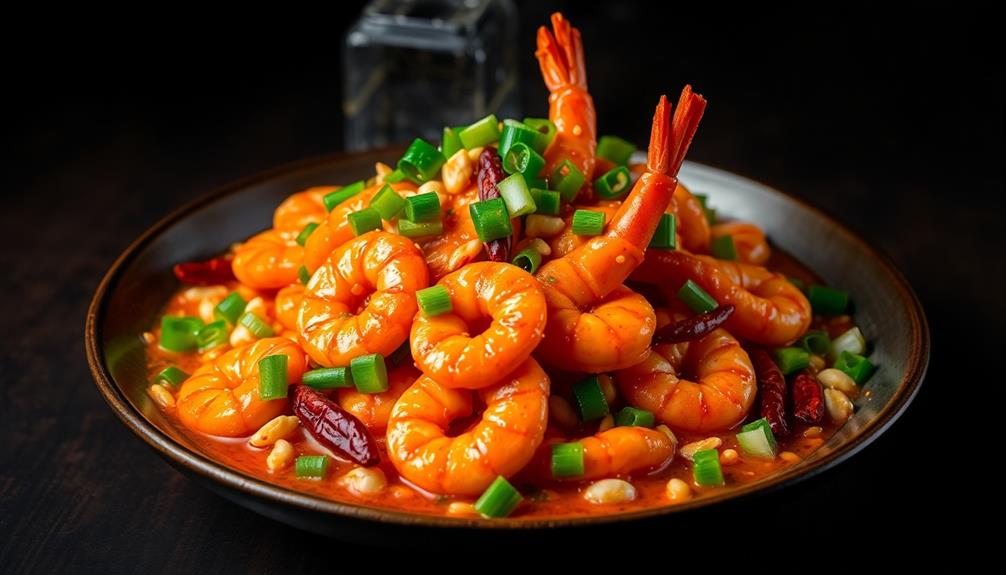
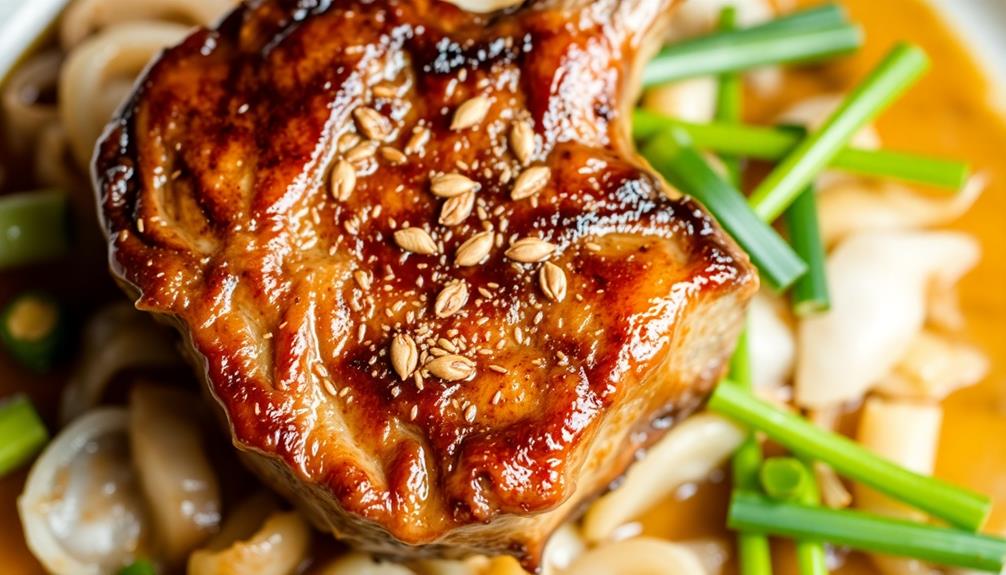
To spice up your winter with authentic Sichuan Mapo Tofu, focus on layering bold flavors like chili bean paste, Sichuan peppercorns, garlic, and ginger. Use stir-frying and gentle simmering to preserve textures and develop complex spice profiles. This dish’s fiery, numbing heat will warm you from the inside out and showcase the region’s vibrant culinary style. Keep exploring, and you’ll uncover more techniques to elevate your Chinese cooking.
Key Takeaways
- Mapo Tofu features bold, spicy flavors with chili peppers and Sichuan peppercorns, perfect for warming winter meals.
- The dish’s layered flavors and numbing sensation help invigorate cold winter days.
- Mastering the stir-frying and simmering techniques enhances the dish’s aroma and texture.
- Using fresh ingredients and proper heat control ensures an authentic, fiery taste experience.
- Incorporating Mapo Tofu into winter menus adds warmth and authentic Sichuan flavor to your cuisine.

Chinese cuisine is renowned worldwide for its rich flavors, diverse ingredients, and centuries-old culinary traditions. When you explore its depths, you realize how regional flavors and unique cooking techniques come together to create truly unforgettable dishes. Each region offers its own signature tastes—whether it’s the fiery, bold spices of Sichuan or the delicate sweetness of Cantonese cuisine—giving you a vast palette to enjoy. As you immerse yourself in these culinary traditions, you’ll discover how regional flavors are shaped by local ingredients, climate, and history, making every dish a reflection of its origin.
Discover how regional flavors and cooking techniques create unforgettable Chinese dishes.
In Sichuan cuisine, renowned for its bold spice and complex flavors, the regional flavors are deeply rooted in the use of chili peppers, Sichuan peppercorns, garlic, and ginger. These ingredients come together to produce a taste that’s simultaneously numbing, spicy, and fragrant. To truly appreciate Sichuan dishes like Mapo Tofu, you need to understand the cooking techniques that bring out these flavors. Stir-frying, steaming, and quick sautéing are common methods that help lock in freshness and intensify the taste of ingredients. For a dish like Mapo Tofu, you typically start by preparing a fragrant base with minced garlic, ginger, and Sichuan peppercorns, then add chili bean paste to build the fiery sauce. The tofu is gently simmered in this spicy, savory mixture, allowing it to soak up the flavors without falling apart. This technique highlights the importance of controlling heat and timing, ensuring each ingredient retains its texture and aroma.
The art of Chinese cooking is all about precision and balance. You might think that spicy dishes are just about adding heat, but in Sichuan cuisine, it’s about layering flavors—spicy, numbing, salty, and sometimes even a hint of sweetness—all harmonized through expert techniques. Recognizing how these regional flavors are developed through specific cooking methods helps you appreciate the complexity behind each dish. Whether it’s quick stir-frying vegetables to preserve their crunch or slow-cooking meats for tenderness, these techniques serve as a foundation for the vibrant taste profiles that define Chinese cuisine.
Ultimately, understanding regional flavors and mastering traditional cooking techniques empower you to recreate authentic dishes like Mapo Tofu at home. It’s not just about following a recipe but about embracing the culinary philosophy that has been refined over centuries. Each bite becomes a journey into Chinese culture, celebrating the diversity and depth that make this cuisine so enthralling. So, next time you cook or order Chinese food, think about how these regional flavors and cooking techniques come together to spice up your winter and warm your soul.
Frequently Asked Questions
What Is the History Behind Mapo Tofu?
You’ll find that Mapo Tofu’s history dates back to the Qing Dynasty, originating from Sichuan. Regional variations have emerged, with some adding more chili or adjusting ingredients for authenticity. The dish was created by a Sichuan woman named Chen Mapo, blending spicy, numbing flavors that define authentic Mapo Tofu. Its rich history reflects local culinary traditions and evolving ingredient authenticity, making it a beloved winter comfort food.
How Spicy Is Traditional Sichuan Mapo Tofu?
Traditional Sichuan mapo tofu is quite spicy, thanks to the generous use of chili oil and Sichuan peppercorns. You’ll experience a fiery heat balanced with a numbing sensation from the peppercorns, creating a bold, complex flavor. The chili oil adds depth and heat, making every bite lively and satisfying. If you love spicy foods, you’ll enjoy how this dish delivers a mouth-tingling, flavorful experience.
Are There Vegetarian Versions of Mapo Tofu?
Yes, you can enjoy vegetarian adaptations of mapo tofu. Many recipes replace traditional ground pork with tofu alternatives like shiitake mushrooms, tempeh, or textured vegetable protein to mimic the texture and flavor. These vegetarian versions retain the bold, spicy, and savory essence of original mapo tofu, making them perfect for those seeking plant-based options. You’ll find that with the right tofu alternatives, the dish remains just as satisfying and flavorful.
What Are Common Side Dishes Served With Sichuan Cuisine?
Imagine your plate as a vibrant canvas—common side dishes with Sichuan cuisine include pickled vegetables, steamed rice, and scallion pancakes, each adding a splash of flavor. You can also explore regional variations like crispy fried chicken or spicy cold noodles. Pair your meal with fragrant tea, such as jasmine or oolong, to balance the heat and enhance your dining experience, turning every bite into a harmonious symphony.
Can I Make Authentic Mapo Tofu at Home Easily?
Yes, you can make authentic mapo tofu at home easily. Focus on choosing the right tofu textures—silken for a smooth, delicate feel or firm for more bite. Use a variety of chili varieties like Sichuan peppercorns and chili paste to get that authentic numbing spiciness. Follow a simple recipe, and you’ll enjoy a flavorful, spicy dish that captures the essence of Sichuan cuisine right in your kitchen.
Conclusion
Just like the legendary Sichuan warriors who mastered fiery flavors, you can conquer winter’s chill with a bold Mapo Tofu. Embrace the heat and spice that awaken your senses, turning ordinary days into a culinary adventure. Remember, as the Daoist sages whispered, balance in flavor brings harmony to your soul. So, plunge into this spicy journey and let Sichuan’s fiery spirit warm your heart all season long.