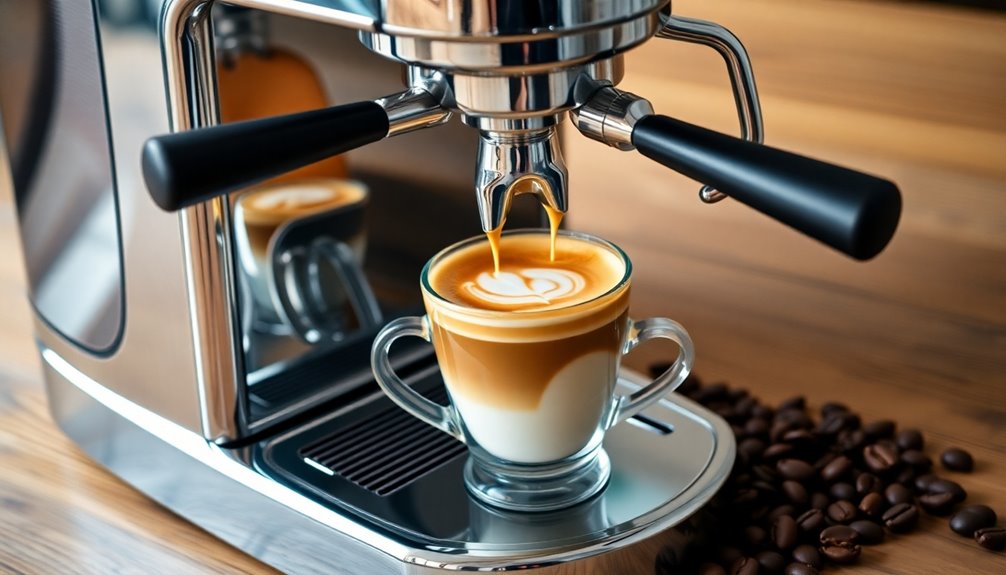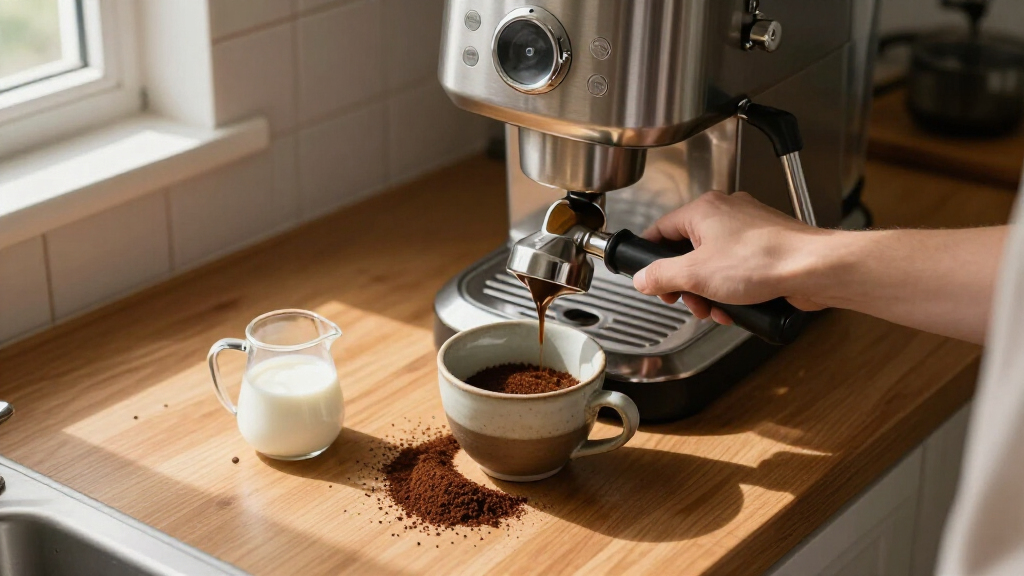
Shopping for espresso machines in 2026 means choosing between three big tradeoffs: convenience versus control, built-in grinders versus separate ones, and compact footprints versus café-grade power. After comparing 15 popular models side by side, the Breville Barista Pro stands out as the best overall pick because its fast heat-up, precise grind control, and clear interface make genuinely great espresso repeatable. The Breville Barista Touch earns the premium spot for touchscreen-guided drinks, while the De’Longhi Stilosa wins on value for anyone willing to learn manual technique on a budget. Repeat offenders like the CASABREWS pair and the three Barista Express variants show how much color and bundle differences — not performance — can separate nearly identical machines. Read on for the full breakdown of what each model does well, where it falls short, and which one fits your counter and your morning routine.

Get kitchen staples and gadgets delivered free — and shop member deals
- Fast, free delivery on millions of items
- Access to Prime Big Deal Days deals on October 6–7
- Prime Video, Amazon Music and more included
Complete the kit


Key Takeaways
- The Breville Barista Express appears three times in this lineup in different finishes — Black Sesame, Black Truffle, and Brushed Stainless Steel — and they perform identically, so buyers should simply pick the cheapest color rather than assuming one is a different model.
- The biggest quality divide in this roundup is between machines with a built-in grinder (Breville Barista Pro, Express, Kismile) and those without (Bambino, Stilosa, CASABREWS) — pre-ground coffee puts a ceiling on espresso quality no matter how good the machine is.
- The Ninja Luxe Café Premier appears in two versions: the espresso-and-cold-brew model and the 3-in-1 with drip coffee, and the right choice depends entirely on whether you already own a drip maker.
- Budget machines under the CASABREWS, Aromaster, and Yawhew name can pull drinkable shots, but their steam wands and build quality lag well behind the De’Longhi Stilosa at a similar price point.
- The De’Longhi Magnifica Duo is the only true one-touch super-automatic here, making it the clear pick for households that want espresso without any technique — at the cost of hands-on control and drink refinement.
| CASABREWS 3700 Essential Stainless Steel Espresso Machine with Steam Wand |  | Best Budget Starter | Type: Semi-automatic espresso machine | Pump pressure: 20 bar | Wattage: 1350 watts | VIEW LATEST PRICE | See Our Full Breakdown |
| CASABREWS CM5418 Compact Espresso Machine with Milk Frothing Wand |  | Best Value for Learning | Model: CM5418 | Type: Semi-automatic espresso machine | Pump pressure: 20 bar | VIEW LATEST PRICE | See Our Full Breakdown |
| Breville Barista Touch Espresso Machine, Brushed Stainless Steel |  | Best Premium Convenience | Model: BES880BSS | Grinder: Integrated precision conical burr grinder | Heating system: ThermoJet, 3-second heat-up | VIEW LATEST PRICE | See Our Full Breakdown |
| Breville Barista Pro Espresso Machine with Grinder, Brushed Stainless Steel |  | Best for Aspiring Home Baristas | Model: BES878BSS | Grinder: Integrated precision conical burr grinder | Heating system: ThermoJet, 3-second heat-up | VIEW LATEST PRICE | See Our Full Breakdown |
| Ninja Luxe Café Premier Espresso and Rapid Cold Brew Machine, Gunmetal (ES601GM) |  | Best Multi-Brew Versatility | Model: ES601GM | Brew types: Espresso, drip coffee, and cold brew | Grinder: Integrated conical burr grinder, 25 grind settings | VIEW LATEST PRICE | See Our Full Breakdown |
| Breville Barista Express Espresso Machine, Black Sesame |  | Best All-in-One for Aspiring Home Baristas | Model: BES870BSXL | Type: Manual espresso machine | Grinder: Integrated precision conical burr grinder | VIEW LATEST PRICE | See Our Full Breakdown |
| Aromaster 1400W Espresso Machine with Milk Frother |  | Best Budget Compact Pick | Power: 1400W | Pump pressure: 20 bar | Type: Semi-automatic espresso machine | VIEW LATEST PRICE | See Our Full Breakdown |
| Breville Barista Express Espresso Machine, Black Truffle |  | Best Grinder Combo for Style-Conscious Counters | Model: BES870BTR | Color: Black Truffle | Grinder: Integrated precision conical burr grinder | VIEW LATEST PRICE | See Our Full Breakdown |
| Ninja Luxe Café Premier 3-in-1 Espresso Machine, Drip Coffee Maker, and Cold Brew Machine |  | Best Multi-Drink Machine for Households | Brewing styles: Espresso, drip coffee, cold brew | Espresso options: Double shot and quad shot | Built-in grinder: Conical burr grinder, 25 settings | VIEW LATEST PRICE | See Our Full Breakdown |
| Kismile 20-Bar Automatic Espresso Machine with Built-In Grinder |  | Best One-Touch Convenience Pick | Type: Fully automatic espresso machine | Pressure: 20 bar | Grinder: Built-in conical burr grinder, 15 settings | VIEW LATEST PRICE | See Our Full Breakdown |
| Yawhew Beginner Espresso Machine with Milk Frother |  | Best Learning Tool for Beginners | Operation mode: Semi-automatic | Pump pressure: 20 bar (9 bar extraction via OPV) | Water tank capacity: 61 oz | VIEW LATEST PRICE | See Our Full Breakdown |
| Breville Bambino Espresso Machine, Brushed Stainless Steel | 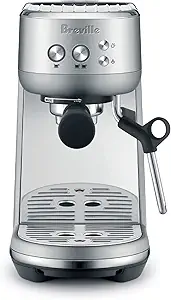 | Best Compact Semi-Automatic | Model: BES450BSS | Heating system: ThermoJet | Heat-up time: 3 seconds | VIEW LATEST PRICE | See Our Full Breakdown |
| Breville Barista Express Espresso Machine, Brushed Stainless Steel |  | Best All-in-One Value | Model: BES870XL | Grinder: Integrated conical burr with dose control | Water tank capacity: 67 oz | VIEW LATEST PRICE | See Our Full Breakdown |
| De’Longhi Stilosa Compact Manual Espresso Machine, Silver | 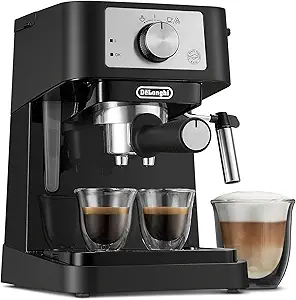 | Best Budget Entry Point | Type: Manual espresso machine | Boiler: Stainless steel | Milk frother: Manual steam wand | VIEW LATEST PRICE | See Our Full Breakdown |
| De’Longhi Magnifica Duo Automatic Espresso Machine with Milk Frother, Silver |  | Best Super-Automatic for Hot and Iced Drinks | Model: Magnifica Duo | Drink types: Espresso, drip coffee, iced latte, cold brew | Preset recipes: 20 hot and iced | VIEW LATEST PRICE | See Our Full Breakdown |
| espresso machine | Water tank capacity | Model | Power | Grinder |
|---|---|---|---|---|
| CASABREWS 3700 Essential Stain | 43.9 oz, removable | — | — | — |
| CASABREWS CM5418 Compact Espre | 34 oz, removable | CM5418 | 1350 W | — |
| Breville Barista Touch Espress | 67 oz | BES880BSS | 1680 W | Integrated precision conical burr grinder |
| Breville Barista Pro Espresso | 67 oz | BES878BSS | 1680 W | Integrated precision conical burr grinder |
| Ninja Luxe Café Premier Espres | — | ES601GM | — | Integrated conical burr grinder, 25 grind settings |
| Breville Barista Express Espre | 67 oz | BES870BSXL | 1600 W, 120 V | Integrated precision conical burr grinder |
| Aromaster 1400W Espresso Machi | — | — | 1400W | — |
| Breville Barista Express Espre | 67 oz | BES870BTR | 1600 watts, 120 volts | Integrated precision conical burr grinder |
| Ninja Luxe Café Premier 3-in-1 | — | — | — | — |
| Kismile 20-Bar Automatic Espre | 1.5 liters | — | — | Built-in conical burr grinder, 15 settings |
| Yawhew Beginner Espresso Machi | 61 oz | — | — | — |
| Breville Bambino Espresso Mach | — | BES450BSS | 1560 W, 110–120 V | — |
| Breville Barista Express Espre | 67 oz | BES870XL | 1600 W, 120 V | Integrated conical burr with dose control |
| De’Longhi Stilosa Compact Manu | — | — | — | — |
| De’Longhi Magnifica Duo Automa | — | Magnifica Duo | — | Integrated conical burr |
More Details on Our Top Picks
CASABREWS 3700 Essential Stainless Steel Espresso Machine with Steam Wand
For someone who wants real espresso without a grinder-and-gauge commitment, this CASABREWS 3700 keeps things simple and inexpensive. The 20-bar pump and 1350-watt heater deliver the basics of a passable shot, and the steam wand means you’re not stuck drinking straight espresso on day one. Compared with the CASABREWS CM5418, you give up the pressure gauge, so dialing in grind changes is more guesswork than measurement — that’s the real tradeoff here. The 43.9-ounce removable tank is actually larger than the CM5418’s, which matters if two people are making drinks back to back. But with no temperature readout and a required first-use cycle, this is a machine you learn by feel. It makes the most sense as a low-stakes entry point before deciding whether espresso is a habit worth investing in.
Pros:- Steam wand enables latte and cappuccino drinks at an entry-level price
- 43.9 oz removable tank is generous for the compact footprint
- Includes one-cup and two-cup filters plus a tamper, so it works out of the box
- Small footprint suits dorms, offices, and tight counters
Cons:- No pressure gauge, so troubleshooting weak shots relies entirely on taste
- Requires a full first-use cycle before brewing, which slows setup
- Relies on pre-ground coffee for best results unless you buy a separate grinder
Best for: First-time espresso buyers who want to test the hobby cheaply before upgrading to a grinder-equipped machine
Not ideal for: Anyone chasing repeatable shot quality — the lack of a pressure gauge and PID control makes consistency hard to achieve
- Type:Semi-automatic espresso machine
- Pump pressure:20 bar
- Wattage:1350 watts
- Water tank capacity:43.9 oz, removable
- Milk frothing:Steam wand
- Coffee input:Ground coffee
- Included filters:One-cup and two-cup
Our verdict“A sensible first machine for testing whether home espresso sticks, provided you accept shot consistency will be imperfect.”
CASABREWS CM5418 Compact Espresso Machine with Milk Frothing Wand
The CM5418 sits a step above the CASABREWS 3700 in one meaningful way: its built-in pressure gauge gives you visual feedback while pulling shots, which is the single most useful learning tool a beginner machine can offer. When your espresso runs bitter or sour, the gauge tells you whether to adjust the grind or your tamping — a diagnostic the 3700 simply can’t provide. The brushed stainless finish also feels less like an appliance-store afterthought. The tradeoff is a smaller 34-ounce tank versus the 3700’s 43.9 ounces, and a shared single-boiler limitation: after frothing milk, you must wait for the machine to cool before brewing again. Compared with something like the De’Longhi Stilosa, you’re getting that gauge and a more modern look for modest extra complexity. This model rewards buyers who want to actively improve rather than just press a button.
Pros:- Pressure gauge helps diagnose grind and tamp problems visually
- Steam wand produces froth fine enough for basic foam art
- Removable 34 oz tank makes refilling and cleaning simple
- Brushed stainless steel finish at a budget-friendly price point
Cons:- Must cool down after frothing before brewing the next shot
- Still requires grind and tamping experimentation when pressure reads low
- Smaller tank than the CASABREWS 3700 limits back-to-back drinks
Best for: Hands-on beginners who want pressure feedback to learn dialing in shots without spending Breville money
Not ideal for: Impatient households making multiple milk drinks — the mandatory cool-down between frothing and brewing adds real delays
- Model:CM5418
- Type:Semi-automatic espresso machine
- Pump pressure:20 bar
- Power:1350 W
- Water tank capacity:34 oz, removable
- Milk frother:Steam wand
- Finish:Brushed stainless steel
Our verdict“The smart budget pick if you want to actually learn espresso fundamentals, not just drink the results.”
Breville Barista Touch Espresso Machine, Brushed Stainless Steel
The Barista Touch is the machine for people who want café-quality drinks with minimal fiddling, and its defining feature is the automatic steam wand — it textures milk to your chosen temperature and consistency on its own. That’s the clearest divide between this and the Breville Barista Pro, which hands you a manual wand and expects you to learn microfoam yourself. Add the touchscreen with saved drink profiles, and a household of different tastes can each have their flat white or latte one tap away. The ThermoJet heater reaching temperature in three seconds means no morning warm-up ritual. The honest tradeoffs: this is semi-automatic rather than push-button fully automatic like the De’Longhi Magnifica Duo, and the two-year warranty feels thin at this tier. You’re paying mainly for milk automation and interface polish, not raw extraction quality over cheaper Brevilles.
Pros:- Automatic steam wand textures milk to adjustable temperature and consistency without skill
- Touchscreen lets you customize and save up to eight personal drink settings
- Integrated conical burr grinder doses fresh beans on demand
- 3-second ThermoJet heat-up eliminates morning wait times
Cons:- Semi-automatic operation still requires portafilter handling, unlike fully automatic machines
- 2-year limited warranty is modest for the price tier
- Premium price is driven by milk automation rather than better core extraction than cheaper Brevilles
Best for: Busy households where multiple people want customized milk drinks with one-touch repeatability
Not ideal for: Buyers who enjoy the manual craft of steaming milk and dialing in shots — the automation removes the parts they’d enjoy
- Model:BES880BSS
- Grinder:Integrated precision conical burr grinder
- Heating system:ThermoJet, 3-second heat-up
- Temperature control:Digital PID
- Milk texturing:Adjustable automatic steam wand
- Pre-programmed drinks:5, with up to 8 custom settings
- Water tank capacity:67 oz
- Power:1680 W
- Warranty:2-year limited
Our verdict“The right pick if your priority is consistent, customized milk drinks with the least daily effort — not manual barista craft.”
Breville Barista Pro Espresso Machine with Grinder, Brushed Stainless Steel
Compared with the Barista Touch, the Barista Pro trades touchscreen convenience for a more skill-driven workflow: the manual steam wand is yours to master, which is exactly what latte-art-aspiring buyers want. The core hardware is a step up from entry machines — PID temperature control within ±2°C, low-pressure pre-infusion for balanced extraction, and an integrated conical burr grinder with dose control, so you’re grinding fresh for every shot rather than relying on pre-ground like the CASABREWS models. The LCD interface shows grind and extraction progress without turning brewing into a fully automated process. The 3-second heat-up matches the Barista Touch. The tradeoff is straightforward: manual milk texturing has a real learning curve, and if your household wants hands-off lattes, the Touch or the Ninja Luxe Café will frustrate you less. This model is better suited to someone who treats the learning curve as the point.
Pros:- Integrated burr grinder with on-demand dose control grinds fresh every shot
- PID temperature control within ±2°C supports shot-to-shot consistency
- Manual steam wand produces genuine microfoam for latte art
- LCD interface displays grind setting and extraction progress in real time
Cons:- Manual milk texturing carries a real learning curve for beginners
- 2-year limited warranty is short for a machine at this price
- No automatic drink programming, so every drink is a multi-step process
Best for: Enthusiasts who want to develop real barista skills — grinding, dosing, and manual microfoam — with quality feedback along the way
Not ideal for: Households wanting effortless milk drinks — the manual steam wand demands practice the Touch or Ninja Luxe avoid
- Model:BES878BSS
- Grinder:Integrated precision conical burr grinder
- Heating system:ThermoJet, 3-second heat-up
- Temperature control:PID, ±2°C
- Bean hopper capacity:1/2 lb
- Water tank capacity:67 oz
- Settings:Adjustable grinding, 1- or 2-cup volumetric
- Power:1680 W
- Warranty:2-year limited
Our verdict“The strongest choice for buyers who see technique as part of the enjoyment and want grinder-plus-PID quality to grow into.”
Ninja Luxe Café Premier Espresso and Rapid Cold Brew Machine, Gunmetal (ES601GM)
If the Breville Barista Pro is a specialist, the Ninja Luxe Café Premier is a generalist — it pulls espresso shots, brews drip coffee, and makes rapid cold brew in one footprint. That range is unmatched in this lineup, and the Barista Assist Technology pushes it further: weight-based dosing, grind recommendations across 25 settings, and an assisted tamper that removes the most error-prone step for beginners. The Dual Froth System with hot and cold presets is hands-free, putting it closer to the Barista Touch’s convenience than the Pro’s manual approach. The tradeoffs are real: espresso purists will find its extraction less refined than a PID-controlled Breville, and the sheer number of modes and settings creates a learning period the CM5418 never demands. Beverage sizes max out at 18 ounces, too. This pick makes the most sense for households where one person wants cold brew, another wants a quad shot, and nobody wants two machines on the counter.
Pros:- Covers espresso, drip coffee, and rapid cold brew in one machine
- Weight-based dosing, grind recommendations, and assisted tamper flatten the beginner learning curve
- Hands-free Dual Froth System handles hot and cold foam with four presets
- Built-in accessory storage keeps the tamper, jug, and tools organized
Cons:- Abundant settings and brew modes take time to learn and navigate
- Espresso quality is less precise than dedicated PID-controlled machines
- Beverage sizes cap at 18 oz, limiting large carafes or travel-mug drip fills
Best for: Multi-drink households that want espresso, drip coffee, and cold brew covered by a single machine with beginner-friendly assistance
Not ideal for: Espresso-focused purists — its extraction control and refinement trail dedicated machines like the Breville Barista Pro
- Model:ES601GM
- Brew types:Espresso, drip coffee, and cold brew
- Grinder:Integrated conical burr grinder, 25 grind settings
- Espresso styles:Double shot and quad shot
- Drip coffee styles:Classic, rich, and over ice
- Beverage sizes:6, 8, 10, 12, 14, 16, and 18 oz
- Frother:Dual Froth System with 4 preset programs
- Assistance:Barista Assist with grind recommendations and weight-based dosing
Our verdict“The one-machine answer for households with varied tastes, as long as espresso excellence takes a back seat to versatility.”
Breville Barista Express Espresso Machine, Black Sesame
This is the machine that teaches you to pull proper shots. Unlike the CASABREWS 3700, which leaves you to buy and dial in a separate grinder, the Barista Express grinds fresh beans directly into the portafilter, with digital PID temperature control and low-pressure pre-infusion doing the heavy lifting on extraction consistency. The manual steam wand rewards practice — this is where latte art becomes possible, something pod-style and one-touch machines simply can’t teach. Compared with the De’Longhi Stilosa, the step up in temperature stability is the difference between drinkable espresso and genuinely good espresso. The tradeoff is real: this demands hands-on work for every cup, and the one-year warranty feels short for a machine at this level.
Pros:- Integrated conical burr grinder doses fresh coffee straight into the portafilter
- Digital PID temperature control keeps extraction consistent shot to shot
- Steam wand produces real microfoam suitable for latte art
- Large 67 oz water tank and half-pound bean hopper reduce constant refilling
Cons:- Fully manual workflow requires skill-building and hands-on time for every drink
- Only a 1-year limited warranty despite the premium build
Best for: Coffee drinkers ready to learn grinder dialing, tamping, and milk texturing as a daily ritual
Not ideal for: Anyone who wants push-button speed in the morning — every drink requires manual prep and frothing
- Model:BES870BSXL
- Type:Manual espresso machine
- Grinder:Integrated precision conical burr grinder
- Bean hopper capacity:1/2 lb
- Water tank capacity:67 oz
- Power:1600 W, 120 V
- Temperature control:Digital PID
- Warranty:1 year limited
Our verdict“The right pick if you want to learn real barista skills on one machine instead of buying a separate grinder and espresso maker.”
Aromaster 1400W Espresso Machine with Milk Frother
Where the Breville Barista Express asks you to master grinding and tamping, the Aromaster strips espresso down to the essentials: a 20-bar pump, fast heat-up, PID and NTC temperature controls, and a swivel steam wand — at a fraction of the complexity. The compact footprint (13 inches deep) makes it far friendlier for small apartments or office nooks than anything in Breville’s lineup, and one-touch descaling plus removable parts keep maintenance painless. It sits above the De’Longhi Stilosa on temperature control but below the Breville Bambino in build quality and steam power. Be aware the listed 2.4 oz capacity is modest, and pre-ground coffee is your only option here — no grinder.
Pros:- Fast heating with PID and NTC temperature controls for stable shots
- Swivel steam wand handles latte and cappuccino milk frothing
- One-touch descaling and removable parts make cleaning simple
- Compact 13 × 7 × 14 in design fits tight counters
Cons:- No built-in grinder, so flavor ceiling is limited by pre-ground coffee
- Small listed 2.4 oz brew capacity
- Steam wand is basic compared with Breville’s microfoam-capable wands
Best for: Students, office kitchens, and small-apartment dwellers wanting espresso drinks without a big spend or footprint
Not ideal for: Fresh-bean purists — there’s no grinder, so you’re locked into pre-ground coffee
- Power:1400W
- Pump pressure:20 bar
- Type:Semi-automatic espresso machine
- Water tank:Removable, 37 oz
- Dimensions:13 × 7 × 14 in
- Temperature control:PID and NTC
- Special features:Pre-infusion, fast heat-up, one-touch descaling, auto shut-off, cup warmer
Our verdict“A sensible entry point for occasional espresso drinks in tight spaces, as long as pre-ground coffee doesn’t bother you.”
Breville Barista Express Espresso Machine, Black Truffle
Functionally, this is the same Barista Express formula as the Black Sesame model — integrated conical burr grinder, PID control, low-pressure pre-infusion, manual steam wand — so the decision between them comes down to aesthetics. The Black Truffle finish is the softer, warmer alternative for kitchens where the brushed stainless Breville models would clash. Compared with the Breville Barista Pro, it trades faster heat-up and a clearer display for a lower price point, which is a reasonable trade for most home brewers. The generous accessory bundle (portafilter, baskets, tamper, milk jug, cleaning kit) means you can start brewing the day it arrives. The same caveats apply: it’s fully manual, and the one-year warranty is stingy.
Pros:- Grinds beans fresh directly into the portafilter for maximum aroma
- PID temperature control supports repeatable, balanced extraction
- Steam wand enables genuine milk texturing and latte art
- Complete accessory kit included — tamper, jug, baskets, and cleaning tools
Cons:- Requires manual operation and hands-on milk texturing for every drink
- Same 1-year limited warranty as cheaper machines
- Offers no functional advantage over other Barista Express colors
Best for: Buyers who want the Barista Express experience in a finish that suits a warm-toned or matte kitchen aesthetic
Not ideal for: Anyone wanting set-and-forget convenience — the fully manual workflow mirrors every other Barista Express variant
- Model:BES870BTR
- Color:Black Truffle
- Grinder:Integrated precision conical burr grinder
- Bean hopper capacity:1/2 lb
- Water tank capacity:67 oz
- Power:1600 watts, 120 volts
- Shots:Single or double
- Warranty:1-year limited
Our verdict“Choose this over other Barista Express variants purely for the finish — the espresso is identical, so let your kitchen decor decide.”
Ninja Luxe Café Premier 3-in-1 Espresso Machine, Drip Coffee Maker, and Cold Brew Machine
Most machines in this roundup do one thing; this one replaces three appliances. Alongside proper espresso with a 25-setting burr grinder, the Ninja Luxe Café Premier brews drip coffee and cold brew, which no Breville or CASABREWS model here can touch. The guided brewing workflow — weight-based dosing, assisted tamper, automatic Dual Froth system — makes it dramatically more approachable than the fully manual Barista Express, while still teaching good technique. Compared with the plainer Ninja Luxe Café Premier Espresso and Rapid Cold Brew model, this version adds the drip coffee function. The tradeoffs: it’s a large, busy machine, drip and cold brew servings cap out at 6–18 oz, and convenience-focused buyers give up some of the hands-on control purists want.
Pros:- Three brewing styles — espresso, drip coffee, and cold brew — in one countertop machine
- 25-setting conical burr grinder with weight-based dosing
- Automatic Dual Froth system with four presets plus manual mode
- Guided brewing and assisted tamper flatten the learning curve
Cons:- Drip coffee and cold brew serving sizes limited to 6–18 oz
- Large multi-function footprint that dominates smaller counters
- Automation removes some manual control experienced baristas enjoy
Best for: Households split between espresso drinkers, drip coffee fans, and cold brew lovers who want one machine for everyone
Not ideal for: Single-purpose espresso purists who’d rather spend the same money on dedicated espresso quality
- Brewing styles:Espresso, drip coffee, cold brew
- Espresso options:Double shot and quad shot
- Built-in grinder:Conical burr grinder, 25 settings
- Water reservoir:70 oz, removable
- Milk frothing:Dual Froth System, 4 presets plus manual
- Cold brew styles:Cold-pressed espresso and cold brew coffee
- Accessories:Portafilter, milk jug, baskets, assisted tamper, full cleaning kit
Our verdict“The clear choice when one machine needs to satisfy an entire household’s different coffee habits.”
Kismile 20-Bar Automatic Espresso Machine with Built-In Grinder
This Kismile splits the difference between the manual Barista Express and the fully automated De’Longhi Magnifica Duo. Its one-touch drink controls cover espresso, Americano, latte, and cappuccino bases, with adjustable strength and volume — a level of automation the Barista Express simply doesn’t offer. The 15-setting conical burr grinder still gives you fresh-ground beans, beating the grinder-less Aromaster on flavor potential. Smart maintenance alerts and a removable brewing unit keep upkeep manageable. The compromises are clear: the manual steam wand means milk work stays hands-on, and the mostly plastic construction can’t match the stainless feel of Breville or CASABREWS machines. If one-touch coffee matters more than premium build, this earns its spot.
Pros:- One-touch controls for espresso, Americano, latte, and cappuccino bases
- Built-in conical burr grinder with 15 adjustable settings
- Adjustable coffee strength and volume for personalized drinks
- Removable water tank, grounds container, and brewing unit simplify cleaning
Cons:- Milk frothing still requires manual steam wand operation
- Plastic construction with metallic finish feels less durable than stainless rivals
Best for: Busy commuters who want fresh-ground, one-touch espresso drinks with minimal morning effort
Not ideal for: Buyers who value premium build quality — the plastic body feels a class below stainless machines
- Type:Fully automatic espresso machine
- Pressure:20 bar
- Grinder:Built-in conical burr grinder, 15 settings
- Drink options:Single/double espresso, Americano, latte, cappuccino
- Milk frother:Manual steam wand
- Water tank capacity:1.5 liters
- Dimensions:17.17 × 7.09 × 12.4 in (D × W × H)
- Material:Plastic, metallic exterior finish
Our verdict“A practical middle ground if you want grinder-fresh beans and push-button brewing without a fully automatic machine’s price.”
Yawhew Beginner Espresso Machine with Milk Frother
Learning espresso is easier when you can see what’s happening, and that’s exactly what this Yawhew offers: an LCD showing water temperature and extraction time plus a pressure gauge that tells you whether your grind and tamp are in the right zone. Compared with the De’Longhi Stilosa, which gives you no brewing feedback at all, this model turns every shot into a mini lesson, which is why it earns the beginner slot over cheaper rivals. The 360° swivel steam wand handles lattes and cappuccinos, and a 61 oz tank means fewer refills than most starter machines. The tradeoff is control: semi-automatic operation demands practice, and the 2-cup capacity limits batch brewing for guests. Unlike the Breville Barista Express, there’s no grinder, so you’ll need a separate one for fresh grounds.
Pros:- LCD and pressure gauge give real-time shot feedback
- 360° swivel steam wand froths milk for lattes and cappuccinos
- Large 61 oz removable water tank reduces refill frequency
- Accepts both ground coffee and pods for flexibility
Cons:- Semi-automatic operation requires practice and dialing in
- No integrated grinder, so grounds must be sourced separately
- Limited to 2 cups per brew cycle
Best for: Espresso newcomers who want visual feedback while they learn grind, dose, and milk texturing
Not ideal for: Households serving several guests at once, since capacity tops out at 2 cups
- Operation mode:Semi-automatic
- Pump pressure:20 bar (9 bar extraction via OPV)
- Water tank capacity:61 oz
- Portafilter size:51 mm
- Input type:Ground coffee, pods
- Material:Stainless steel
- Key features:LCD, pressure gauge, cup warmer, steam wand
- Dimensions:11″ D × 13″ W × 10″ H
Our verdict“This pick makes the most sense for beginners who want to learn espresso with data on screen rather than guessing blind.”
Breville Bambino Espresso Machine, Brushed Stainless Steel
The Bambino stands out for sheer speed and footprint: ThermoJet heating reaches extraction temperature in 3 seconds, so there’s no waiting around before a morning shot. Paired with digital PID temperature control and low-pressure pre-infusion, it delivers the kind of extraction consistency the De’Longhi Stilosa simply can’t match with its basic stainless boiler. The steam wand supports adjustable milk temperature and texture, meaning genuine microfoam for latte art in a machine small enough for an apartment counter. Compared with the Barista Express, you give up the integrated grinder — a real cost in both money and counter logistics if you don’t already own one. Manual preparation is still required, so it’s not a one-button solution, and the 110–120 V rating limits use in regions with different power standards.
Pros:- 3-second heat-up eliminates morning wait time
- PID temperature control keeps extraction consistent shot to shot
- Adjustable steam wand produces true microfoam
- Compact footprint fits tight counters
Cons:- No integrated grinder, requiring a separate purchase for fresh grounds
- Fully manual workflow with hands-on milk texturing
- Limited to 110–120 V regions
Best for: Small-kitchen espresso drinkers who already own a grinder and want fast, consistent shots with real microfoam
Not ideal for: Buyers wanting an all-in-one setup, since the lack of a grinder means an extra purchase
- Model:BES450BSS
- Heating system:ThermoJet
- Heat-up time:3 seconds
- Temperature control:Digital PID
- Portafilter size:54 mm (19 g dose)
- Power:1560 W, 110–120 V
- Settings:1 cup, 2 cups, hot water, steam
- Warranty:1-year limited
Our verdict“The Bambino is the smart pick for space-limited brewers who value speed and milk texture over all-in-one convenience.”
Breville Barista Express Espresso Machine, Brushed Stainless Steel
For most home baristas, this is the sweet spot: an integrated conical burr grinder doses directly into the 54 mm portafilter, eliminating the separate grinder the Breville Bambino requires and the manual grinding workflow of the Yawhew. Fresh-ground coffee is the single biggest leap in espresso quality, and having it built in means one machine, one footprint, one workflow. PID temperature control and low-pressure pre-infusion support even extraction, and the steam wand textures milk well enough for latte art. It’s a fully manual process — grinding, tamping, steaming — which some will love and others will find tedious compared with the one-button De’Longhi Magnifica Duo. The 67 oz tank and half-pound bean hopper keep refills infrequent. The 1-year warranty is on the short side for a machine at this build level.
Pros:- Integrated conical burr grinder delivers fresh grounds straight into the portafilter
- PID temperature control supports precise, repeatable extraction
- Steam wand produces microfoam suitable for latte art
- Large 67 oz tank and half-pound bean hopper reduce refilling
Cons:- Fully manual operation demands hands-on prep and milk texturing
- Only a 1-year limited warranty
- Requires technique to get the most out of the grinder-to-shot workflow
Best for: Coffee drinkers who want cafe-quality espresso from bean to cup in a single machine without a super-automatic price
Not ideal for: Anyone who wants push-button drinks with no hands-on prep — this rewards effort and technique
- Model:BES870XL
- Grinder:Integrated conical burr with dose control
- Water tank capacity:67 oz
- Bean hopper capacity:1/2 lb
- Temperature control:Digital PID
- Shot options:Single or double
- Power:1600 W, 120 V
- Warranty:1-year limited
Our verdict“If fresh-ground espresso in one machine is the goal, the Barista Express justifies its place as the do-it-all centerpiece of a home setup.”
De’Longhi Stilosa Compact Manual Espresso Machine, Silver
Not everyone wants to fund a hobby before knowing they’ll stick with it, and the Stilosa is the lowest-commitment way to start pulling shots at home. Its stainless steel boiler and manual frother cover the basics — espresso, cappuccinos, lattes, flat whites — while the two-level cup holder handles everything from demitasse to taller mugs. Compared with the Yawhew, you lose the LCD and pressure gauge, so learning happens by taste and repetition rather than data. And next to the Breville Bambino, the gap is bigger: no PID, no 3-second heat-up, and steam power that takes patience. The honest tradeoff is consistency — results vary with your grind and technique, and the manual frother won’t produce competition-grade microfoam. For the price of admission, though, it lets you test the waters before investing more.
Pros:- Compact footprint fits nearly any kitchen counter
- Manual frother handles cappuccinos, lattes, and flat whites
- Includes both single- and double-shot filters
- Two-level cup holder suits different cup sizes
Cons:- No temperature control or brewing feedback for consistency
- Manual frothing takes practice and lacks fine texture control
- Boiler performance lags more advanced machines
Best for: Budget-conscious beginners who want to try espresso and milk drinks at home before committing to a pricier machine
Not ideal for: Detail-oriented brewers who want temperature stability and repeatable, data-driven shots
- Type:Manual espresso machine
- Boiler:Stainless steel
- Milk frother:Manual steam wand
- Included filters:Single and double espresso
- Cup holder:Two-level for varying cup sizes
- Color:Black and stainless
Our verdict“The Stilosa is the sensible low-risk entry for curious beginners — as long as expectations stay grounded.”
De’Longhi Magnifica Duo Automatic Espresso Machine with Milk Frother, Silver
This option stands out for doing everything at the press of a button: 20 preset hot and iced recipes spanning espresso, drip coffee, iced lattes, and cold brew in under 3 minutes — something no other machine in this lineup can claim, including the versatile Ninja Luxe Café. The LatteCrema Hot and Cool systems froth both dairy and plant-based milks, a meaningful advantage over the manual wands on the Barista Express or Stilosa for anyone who drinks oat or almond milk. An integrated conical burr grinder and dishwasher-safe removable parts round out a genuinely low-effort experience. The tradeoff is craft: unlike the Bambino or Barista Express, you surrender hands-on control over grind-to-shot technique, and super-automatics carry more internal complexity that can mean pricier long-term servicing.
Pros:- 20 one-touch preset recipes covering hot and iced drinks
- Cold brew in under 3 minutes without overnight steeping
- LatteCrema Hot and Cool systems froth dairy and plant-based milks
- Removable dishwasher-safe parts simplify cleaning
Cons:- Automation removes hands-on control over shot technique
- More internal components can mean higher long-term maintenance costs
- Larger footprint than compact machines like the Bambino
Best for: Busy households and iced-coffee drinkers who want one-touch hot and cold drinks with minimal cleanup
Not ideal for: Hands-on enthusiasts who enjoy dialing in grind, tamp, and milk texture themselves
- Model:Magnifica Duo
- Drink types:Espresso, drip coffee, iced latte, cold brew
- Preset recipes:20 hot and iced
- Milk frothing:LatteCrema Hot and Cool
- Grinder:Integrated conical burr
- Cold brew time:Under 3 minutes
- Maintenance:Removable, dishwasher-safe parts
- Color:Silver
Our verdict“The Magnifica Duo is the pick for anyone who prioritizes convenience and iced drinks over the craft of manual espresso.”
How We Picked
My ranking logic starts with one question: how consistently can this machine produce a shot someone would happily pay for? I weighed temperature stability, pressure delivery, and grind-to-brew workflow most heavily, because those three factors separate real espresso from strong coffee. Machines with integrated grinders and PID-style temperature control — the Breville Barista Pro and Barista Touch — earned top placements because they remove the two most common failure points for home baristas: stale pre-ground coffee and unstable brew temperature.
From there, I scored each model on usability (how fast a beginner gets a good shot), milk texturing (steam wand power and control), footprint (these things live on your counter), and maintenance burden (cleaning cycles, removable parts, descaling). Value was judged against the closest comparable model, not in a vacuum — that is why the De’Longhi Stilosa ranks above similarly priced budget machines, and why the three identical Barista Express finishes are grouped and judged together. Super-automatics, hybrids, and manual machines were ranked within their own lanes, since judging the De’Longhi Magnifica Duo against a Bambino would be comparing two different hobbies.
| espresso machine | Grinder |
|---|---|
| CASABREWS 3700 Essential Stain | — |
| CASABREWS CM5418 Compact Espre | — |
| Breville Barista Touch Espress | Integrated precision conical burr grinder |
| Breville Barista Pro Espresso | Integrated precision conical burr grinder |
| Ninja Luxe Café Premier Espres | Integrated conical burr grinder, 25 grind settings |
| Breville Barista Express Espre | Integrated precision conical burr grinder |
| Aromaster 1400W Espresso Machi | — |
| Breville Barista Express Espre | Integrated precision conical burr grinder |
| Ninja Luxe Café Premier 3-in-1 | — |
| Kismile 20-Bar Automatic Espre | Built-in conical burr grinder, 15 settings |
| Yawhew Beginner Espresso Machi | — |
| Breville Bambino Espresso Mach | — |
| Breville Barista Express Espre | Integrated conical burr with dose control |
| De’Longhi Stilosa Compact Manu | — |
| De’Longhi Magnifica Duo Automa | Integrated conical burr |
Factors to Consider When Choosing Espresso Machines
Before you commit to any of the fifteen machines above, it helps to understand the bigger picture: what actually drives espresso quality, what features are worth paying extra for, and where first-time buyers most often overspend or underspend.Built-In Grinder vs. No Grinder: The Single Biggest Decision
The most expensive mistake I see buyers make is pairing a decent espresso machine with pre-ground coffee or a blade grinder. Espresso needs a fine, consistent grind produced seconds before brewing, and that requirement alone explains most of the price gap between models in this roundup. A machine like the Breville Barista Pro includes a conical burr grinder, which means your total cost of entry covers both tools. If you choose a grinder-free machine like the Bambino or the CASABREWS models, budget separately for a quality burr grinder — often costing as much as a budget machine itself. Buyers who already own a good grinder should skip integrated-grinder models entirely and put the savings into a better boiler and steam system. The wrong choice here is not about quality tiers; it is about matching the machine to the rest of your setup.
Semi-Automatic, Manual, or Super-Automatic: Match the Machine to Your Personality
These fifteen machines span three experience levels, and choosing the wrong one is the fastest route to an expensive appliance that gathers dust. The De’Longhi Stilosa is a manual machine — it rewards technique and repetition, and it frustrates anyone who wants café results in week one. Semi-automatics like the Breville line and the Kismile hit the middle ground: you control the grind and dose, but the machine manages pressure and often timing. The De’Longhi Magnifica Duo sits at the fully automatic end, grinding, tamping, and brewing with one button press. The honest tradeoff is that super-automatics produce consistent but rarely exceptional shots, while manual machines produce exceptional shots only after weeks of practice. Ask yourself whether you want a hobby or a beverage, and buy accordingly.
Steam Wand Quality Determines Your Milk Drinks
If lattes and cappuccinos are part of your routine, the steam wand matters as much as the brew group — and it is where budget machines cut the most corners. Every budget model in this roundup (CASABREWS, Aromaster, Yawhew) advertises a milk frother, but weaker steam pressure produces large, soapy bubbles instead of the microfoam that defines a proper cappuccino. Machines in the Breville range generate noticeably more steam power and finer texturing control, which shows up directly in the cup. One useful pattern from this comparison: the bigger the machine’s physical bulk, the better its steam performance tends to be, because a larger boiler sustains pressure longer. Buyers who mostly drink straight espresso can safely deprioritize this; milk-drink drinkers cannot.
Counter Space and Daily Routine Are Real Constraints
Espresso machines are among the largest small appliances you can own, and the gap between models is bigger than product photos suggest. The Breville Barista Express and Pro need roughly the footprint of a toaster oven plus several inches of headroom for the bean hopper and cup clearance, while the Bambino and CASABREWS CM5418 fit in genuinely tight spaces. Measure your counter before buying, including the height under your cabinets, because refilling a water tank or bean hopper under a low cabinet gets old fast. Also think about your daily rhythm: a machine that takes fifteen minutes to heat up and clean will be skipped on busy mornings, no matter how good the espresso is. Fast heat-up systems — a strength of the Breville Pro, Touch, and Bambino — exist precisely for this reason.
Watch for Duplicate Models Disguised as Choices
This roundup itself reveals a shopping trap worth knowing: retailers list the same machine in multiple colors as separate products, sometimes at different prices. The Breville Barista Express appears here three times in Black Sesame, Black Truffle, and Brushed Stainless Steel, and the Ninja Luxe Café Premier appears as two variants with different feature sets. Before buying, check the model number rather than the product name and finish. The same logic applies to bundle listings that add accessories like tampers or pitchers — the machine inside is usually identical to the cheaper standalone listing. A few minutes of comparison can save you paying a premium for a paint job.
Maintenance Burden and Long-Term Costs
The purchase price is only the entry fee; espresso machines demand ongoing care that varies widely by type. Super-automatics like the Magnifica Duo automate brewing but add brew-group cleaning, dreg drawers, and descaling cycles that arrive on a schedule whether you are ready or not. Semi-automatics with grinders require regular grind adjustment, cleaning of the hopper and chute, and backflushing the group head. Manual machines like the Stilosa are mechanically simple and cheap to maintain, with fewer electronics to fail. Factor in consumables too: water filters, descaling solution, and fresh beans at a rate most beginners underestimate. A machine you maintain happily for five years beats a fancier one you resent after six months.
Frequently Asked Questions
Is the Breville Barista Pro worth the extra cost over the Barista Express?
The core difference is speed and feedback: the Pro uses a faster heating system and a digital interface with a live temperature and grind readout, while the Express relies on an analog pressure gauge and takes longer to reach brewing temperature. For beginners, the Pro’s clearer feedback shortens the learning curve noticeably, because you can see what changed when you adjust the grind. For experienced users who already know their recipe, the Express delivers nearly identical shot quality for less money. If your budget is tight and you are willing to learn by taste rather than by display, the Express is the smarter buy. If you value fast back-to-back drinks and guided adjustments, the Pro earns its premium.
Can a cheap espresso machine like the De’Longhi Stilosa actually make good espresso?
Yes, but with two honest caveats. The Stilosa can genuinely pull a rich, balanced shot when paired with freshly ground coffee and a bit of practice — its 15-bar pump and metal boiler outperform what its price suggests. The first caveat is that it demands technique: dose, tamp, and timing are entirely on you, and early shots will likely be sour or bitter while you learn. The second is the steam wand, which produces acceptable but not silky microfoam, so latte art is off the table. Compared with the budget machines in this lineup, the Stilosa is the most reliable starting point because its parts and support network are far more established. It is best understood as a low-cost training machine rather than a forever machine.
Should I buy the Ninja Luxe Café 3-in-1 or the espresso-and-cold-brew version?
The deciding factor is your existing coffee gear. The 3-in-1 adds a drip coffee maker, which makes sense only if you do not already own one or you are replacing a standalone drip machine — otherwise you are paying for a feature that duplicates an appliance you have. If your household brews large carafes for guests or office-style mornings alongside espresso, the 3-in-1 consolidates two machines into one footprint, which is a real counter-space win. If espresso and the occasional cold brew cover your habits, the espresso-and-cold-brew version is the leaner choice with less to clean and maintain. Both share the same espresso system, so shot quality is not the differentiator here. Buy the version that matches how you actually drink coffee, not the one with the longer feature list.
Do I really need a built-in grinder, or can I use pre-ground coffee?
You can use pre-ground coffee, but you will leave most of your machine’s potential on the table. Coffee loses the volatile compounds that create crema and aromatic complexity within minutes of grinding, and espresso amplifies that staleness more than any other brew method. Most pre-ground coffee is also ground for drip machines, too coarse for espresso, which produces weak, fast shots no machine can fix. A built-in grinder like those on the Breville Barista line or the Kismile solves both problems in one purchase. If you choose a grinder-free machine like the Bambino, plan to buy a dedicated burr grinder — not a blade grinder — as a companion. The grinder is not an accessory; it is half the recipe.
Is a super-automatic like the De’Longhi Magnifica Duo better for a busy household?
For pure convenience, yes — one button moves from beans to a finished drink with no tamping, no technique, and minimal cleanup, which is exactly what a rushed household needs. The tradeoff is control and ceiling: super-automatics standardize every variable, so shots are consistent but rarely as refined as what a practiced hand gets from a semi-automatic like the Barista Pro. Milk drinks are where the gap shows most, since automated frothing produces uniform foam rather than the textured microfoam a skilled barista can steam manually. Households with multiple coffee drinkers of different skill levels benefit most from the Duo’s consistency. If one enthusiastic hobbyist lives in the house, a semi-automatic will likely make them happier.
Conclusion
The right espresso machine from this lineup depends less on specs and more on what kind of coffee drinker you are. For most buyers, the Breville Barista Pro is the best overall choice: it balances grinder, temperature control, speed, and usability better than anything else here, and it grows with you as your technique improves.
Best value goes to the De’Longhi Stilosa, which delivers honest, technique-driven espresso at a budget price and outclasses the other entry-level machines in this comparison. Best premium is the Breville Barista Touch, whose touchscreen-guided drinks make café-quality beverages accessible to an entire household, not just the resident enthusiast. Best for beginners is the Breville Bambino — compact, fast-heating, and forgiving — provided you add a burr grinder alongside it, while the Yawhew suits only the most budget-limited first-timers.
For specific needs: the De’Longhi Magnifica Duo is the pick for one-touch convenience in multi-drinker homes, the Ninja Luxe Café 3-in-1 consolidates espresso, drip, and cold brew for all-in-one households, and the CASABREWS CM5418 fits tight counters and tighter budgets. And if you land on the Barista Express, remember that its three finishes are the same machine — pick your color, not your price illusion. Whatever you choose, fresh beans and a consistent routine will do more for your cup than any single feature on this list.
NFL season / tailgating Picks
team gear
As an affiliate, we earn on qualifying purchases.