Kwanzaa celebrates African heritage through meaningful traditions, especially its foods that symbolize unity, resilience, and cultural pride. During the holiday, families prepare dishes like jollof rice, collard greens, and corn to honor African values and history. These foods connect you to your roots and remind you of cultural identity and perseverance. If you want to discover more about the significance of these foods and how they shape the celebration, there’s much more to explore.
Key Takeaways
- Kwanzaa celebrates African heritage, unity, and cultural traditions through symbolic foods and rituals.
- Traditional dishes like Jollof rice and greens connect participants to ancestral roots.
- Foods during Kwanzaa symbolize values such as fertility, resilience, and community.
- Preparing and sharing these foods reinforces cultural identity and historical continuity.
- Food plays a vital role in honoring African principles and fostering togetherness during the celebration.

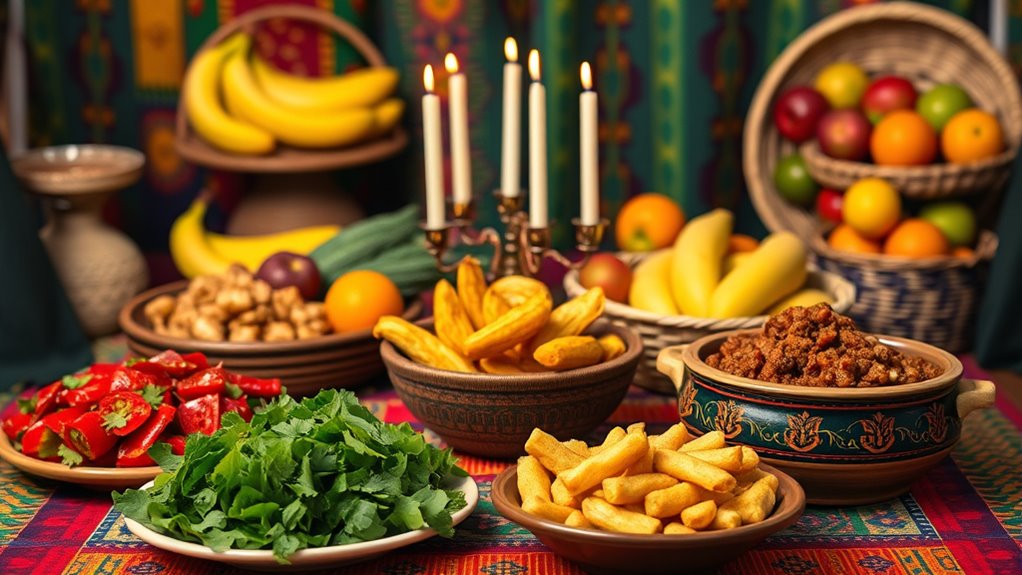
Have you ever wondered how Kwanzaa celebrates African heritage and culture? One of the most meaningful ways is through the foods you share during the celebration. These foods aren’t just about sustenance; they’re rich with symbolism that honors African traditions and values. When you observe Kwanzaa, you’ll notice that the foods prepared often reflect important themes, such as unity, history, and resilience. This symbolism in foods helps connect you to your roots and reminds everyone of the cultural significance behind each dish.
Traditional recipes play a essential role in this celebration. Many dishes are passed down through generations, carrying stories and cultural identity with every bite. For example, dishes like Jollof rice or collard greens are more than just delicious—they symbolize community and abundance. When you prepare these recipes, you’re participating in a tradition that links you to ancestors who used food as a way to preserve history and express identity. Each ingredient is carefully chosen to reflect specific meanings; for instance, red foods often symbolize the struggle and sacrifice, while green foods represent growth and hope.
The foods served during Kwanzaa often include a variety of grains, vegetables, and fruits that embody the harvest and fertility. You might find dishes flavored with spices common in African cuisine, such as ginger, garlic, and chili, which add depth and warmth to the meals. These traditional recipes aren’t just about flavor—they serve as a reminder of resilience and the importance of community sharing. For example, a communal dish like a big pot of beans or a hearty stew encourages togetherness and collective effort, embodying the principle of unity central to Kwanzaa.
You’ll also notice that certain foods are used in symbolic ways during Kwanzaa’s feast. Corn, or “mahindi,” is often included, representing fertility and the future. Serving corn signifies hope and the continuation of life and culture. In some traditions, you might see sweet potatoes or yams, symbolizing the richness of your heritage and the resilience needed to thrive. These foods, when prepared with care and respect, serve as a tangible connection to African history and values. Additionally, the use of natural, authentic ingredients highlights the importance of traditional African cooking methods and the preservation of cultural heritage.
In essence, the foods you share during Kwanzaa are more than just nourishment—they’re a celebration of your cultural identity. The symbolism in foods and traditional recipes help reinforce the principles of unity, purpose, and resilience, making each meal a meaningful act of honoring your heritage. Through these dishes, you participate in a timeless tradition that underscores the importance of community and cultural continuity.

African Handmade Iron Pot, Traditional Cooking Pot with Lid, Size 15
AUTHENTIC DESIGN: Traditional African homemade iron pot featuring classic rounded belly shape with decorative embossed detailing and dual…
As an affiliate, we earn on qualifying purchases.
As an affiliate, we earn on qualifying purchases.
Frequently Asked Questions
What Are the Origins of Kwanzaa?
You should know that Kwanzaa’s origins lie in the 1960s, created by Dr. Maulana Karenga. Its cultural significance celebrates African heritage and unity, with roots in pan-African traditions. The holiday was designed to reconnect African Americans with their history and cultural roots, emphasizing values like community and self-determination. Its historical roots reflect a movement toward cultural pride and empowerment during a time of social change.
How Do Different Communities Celebrate Kwanzaa Uniquely?
You’ll notice that different communities celebrate Kwanzaa through unique cultural adaptations and regional variations. Some might incorporate local foods, music, or traditional dances, while others emphasize specific rituals or community projects. These differences reflect your community’s heritage and values, making each celebration meaningful and personalized. Embracing these variations helps you connect more deeply with Kwanzaa’s core principles and highlights the diversity within the broader celebration.
Are There Traditional Kwanzaa Gifts?
Think of Kwanzaa as a garden where meaningful presents bloom. Yes, there are traditional Kwanzaa gifts, emphasizing cultural gift giving that nurture the spirit and heritage. These presents often include books, artwork, or symbols of African culture, designed to inspire pride and unity. You’re encouraged to give thoughtful, purposeful gifts that deepen connections and reflect the values celebrated during Kwanzaa.
How Has Kwanzaa Evolved Over the Years?
Kwanzaa has evolved over the years through modern adaptations that reflect changing cultural significance. Today, you see more diverse celebrations, including new traditions like community service and digital greetings, enhancing its relevance. While honoring its roots, these adaptations make Kwanzaa more inclusive and accessible, helping you connect with the cultural significance of the holiday in contemporary ways. This evolution keeps the spirit alive for new generations.
Can Non-African Americans Participate in Kwanzaa?
You might wonder if non-African Americans can join in Kwanzaa’s rich traditions. The answer is yes, especially if you’re open to interfaith participation and cultural exchange. Kwanzaa’s core principles celebrate unity, history, and community, making it accessible to everyone enthusiastic to learn and honor these values. Participating shows respect and appreciation, fostering meaningful connections and expanding understanding across cultures. So, why not embrace this opportunity to explore and share in a vibrant celebration?

Posh Setting Black Plastic Serving Bowls Disposable – Angled Bowls – Angled Candy Bowl – Plastic Snacks & Chip Bowls for Parties – Black, Gold & Clear, White Serving Dishes, 8 OZ, 5 Pack
SOLVE YOUR SERVING PROBLEMS WITH OUR SET OF 5 PLASTIC BOWLS: Tired of flimsy disposable serving bowls that…
As an affiliate, we earn on qualifying purchases.
As an affiliate, we earn on qualifying purchases.
Conclusion
As Kwanzaa concludes, remember that each candle you light symbolizes hope, unity, and the enduring spirit of community. The foods shared are more than sustenance; they are a feast of tradition, nourishing both body and soul. Just as the kinara’s flames shine brightly against the darkness, your commitment to these principles illuminates a path of cultural pride and collective strength. Let this celebration remind you that unity is the true light guiding us forward.
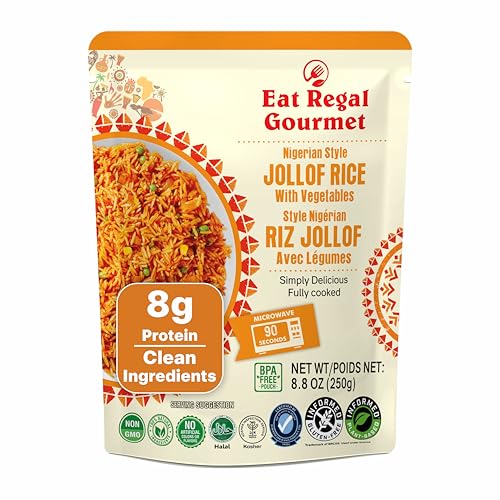
Eat Regal Nigerian Style Jollof Rice with Vegetables, Bold Tomato Flavor, Always Fluffy, No Clump & No Kneading, Ready in 1.5 Minutes, 8g Protein, 8.8 oz Pack of 6
Ready in Just 1.5 Minutes: Enjoy bold Nigerian-style Jollof rice anytime. Our microwave pouch heats in 1.5 minutes—no…
As an affiliate, we earn on qualifying purchases.
As an affiliate, we earn on qualifying purchases.
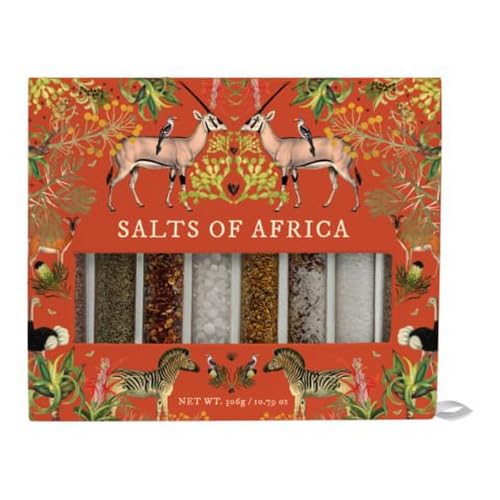
eat.art Salts of Africa Blend Collection | Sampler Spice Gift Set
100% ALL-NATURAL FLAVORS: Winelands Infused Salt, African Herb, Bird's Eye Chili, West Coast Caviar Salt, Cape Malay, Rooibos…
As an affiliate, we earn on qualifying purchases.
As an affiliate, we earn on qualifying purchases.