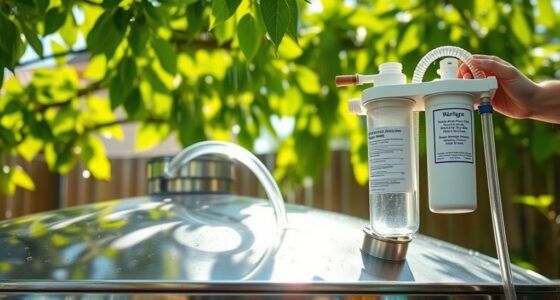
To can safely, you need to control pH levels and understand botulism risks. Botulism bacteria thrive in low-acid, oxygen-free environments, so adding acid like lemon juice to low-acid foods lowers pH and prevents bacteria growth. Using tested recipes and proper processing methods—water bath for high-acid foods, pressure canning for low-acid foods—is vital. Keep these principles in mind, and you’ll guarantee your home-canned foods stay safe. Continue exploring to master these essential canning safety tips.
Listen free for 30 days with Audible
Thousands of audiobooks and originals — cancel anytime.
As an affiliate, we earn on qualifying purchases.
Key Takeaways
- Maintaining a pH below 4.6 in canned foods prevents Clostridium botulinum growth and toxin production.
- Acidify low-acid vegetables with bottled lemon juice or vinegar to ensure safety during canning.
- Use pressure canners for low-acid foods to reach temperatures that destroy C. botulinum spores.
- Rely on tested recipes and accurate pH measurements rather than taste or appearance for safe canning.
- Proper sealing, heating, and pH control are essential to prevent botulism and ensure food safety.
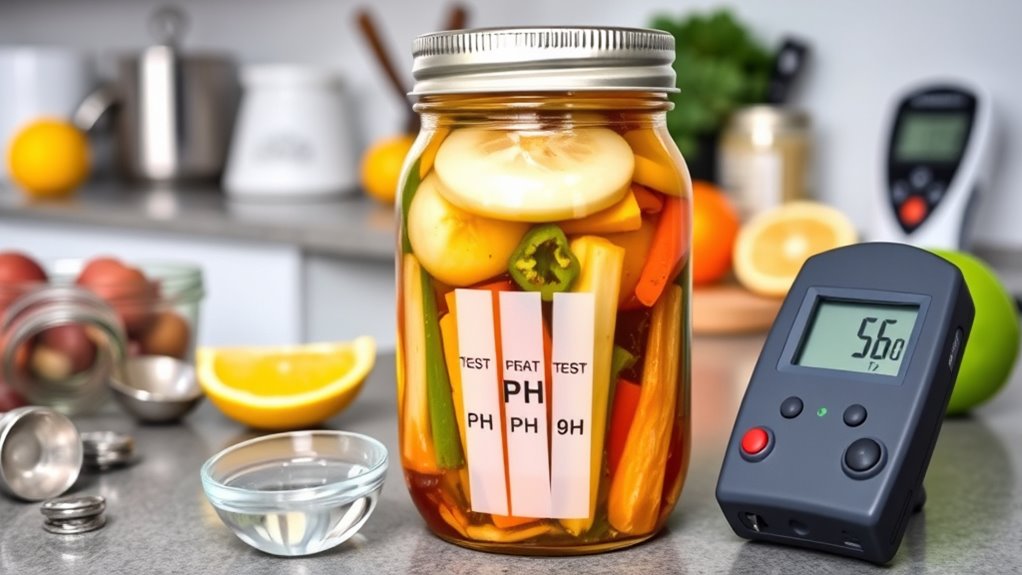
Canning is a popular way to preserve fruits, vegetables, and other foods, but it also carries the risk of botulism if not done correctly. Botulism is a serious illness caused by the toxin produced by Clostridium botulinum bacteria, which thrive in low-acid, oxygen-free environments. To guarantee your canned goods are safe, understanding botulism prevention is essential. One of the most effective methods is pH level adjustment. Many home canners focus on proper heating and sealing, but adjusting the pH of your food plays a critical role in preventing bacterial growth. Foods with a low pH, meaning they are more acidic, inhibit the development of C. botulinum. That’s why fruits, which naturally have a high acid content, are generally safe to process in water bath canners. Conversely, low-acid vegetables like green beans or corn require different handling.
To prevent botulism, you need to be aware of the pH level of what you’re canning. If the pH is 4.6 or higher, you must take extra precautions. Adding acids like lemon juice or vinegar can lower the pH, making the environment less hospitable for bacteria. For instance, when canning green beans or other low-acid vegetables, it’s recommended to add at least 1 tablespoon of bottled lemon juice per pint or 2 tablespoons per quart. This simple step greatly reduces the risk of botulism. It’s essential not to rely on taste or appearance to determine acidity, as these aren’t reliable indicators of safety. Using a reliable pH meter or following tested recipes ensures you’re maintaining the correct acidity levels. Additionally, understanding the role of acidity in food safety can help you make more informed decisions during processing.
In addition to pH adjustments, proper processing methods are indispensable for botulism prevention. High-acid foods can often be safely processed in a boiling water bath canner, which reaches the necessary temperature to kill bacteria in acidic environments. However, low-acid foods require pressure canning because the higher temperature (240°F or 116°C) achieved in a pressure canner destroys C. botulinum spores. Ignoring these guidelines increases the risk of botulism. Always follow tested recipes and trusted processing times to guarantee safety.
As an affiliate, we earn on qualifying purchases.
Frequently Asked Questions
Can I Reuse Old Canning Jars Safely?
You can reuse old canning jars, but you need to consider jar reuse and lid safety carefully. Always inspect jars for cracks or chips, as damaged jars can break during processing. For lids, it’s best to use new ones because reuse may compromise the seal, increasing the risk of contamination. Properly sterilize jars before reuse, and ensure lids are airtight, to keep your home-canned foods safe and shelf-stable.
How Do I Test if My Canned Food Is Safe?
Think you’ve cracked the code on safe canned food? Think again! To test if your goodies are safe, you’ll want to use reliable testing methods like pH testing. Grab a pH meter or test strips, and measure the acidity. If your food’s pH is above 4.6, it’s time to reevaluate. Proper testing ensures your canned treasures are safe and free from lurking botulism villains.
What Are Signs of Botulism Poisoning?
You should be aware of symptoms like blurred vision, difficulty swallowing, dry mouth, and muscle weakness, which are signs of botulism poisoning. If you notice any of these symptoms after eating canned food, recognize it as a serious emergency and seek immediate medical response. Early symptom recognition can save lives, so don’t delay contacting emergency services if you suspect botulism. Prompt treatment is vital for recovery.
Is It Safe to Can Low-Acid Foods Without Pressure Canning?
Did you know that improper canning causes over 90% of foodborne illnesses? When it comes to low-acid foods, you shouldn’t can them without pressure canning because they lack the acidity needed to prevent bacterial growth. Acidic foods naturally have better shelf stability, but low-acid foods require the high heat of pressure canning to make sure they’re safe. Always follow recommended methods to avoid risking your health.
How Long Can I Store Home-Canned Foods Safely?
You can safely store home-canned foods for about one year if you follow proper canning storage guidelines. Keep your jars in a cool, dark, and dry place to maximize food preservation. Always check for signs of spoilage before consuming, such as bulging lids or off smells. Proper storage extends shelf life, but for best quality and safety, consume your canned goods within a year.
Conclusion
Now that you know the importance of proper pH and preventing botulism, you’re better equipped to safely can your favorite foods. Remember, it’s like wielding a sword in a medieval quest—precision and caution keep you safe from hidden dangers. Don’t let fear spoil your adventure; instead, embrace the knowledge and trust your tools. With these tips, your jars will be as safe as a knight’s shield, ready to bring joy to your table.
Flea & tick season Picks
flea and tick prevention
As an affiliate, we earn on qualifying purchases.